With Trump absent from COP30, Newsom says California leads the charge with 17 GW of battery storage
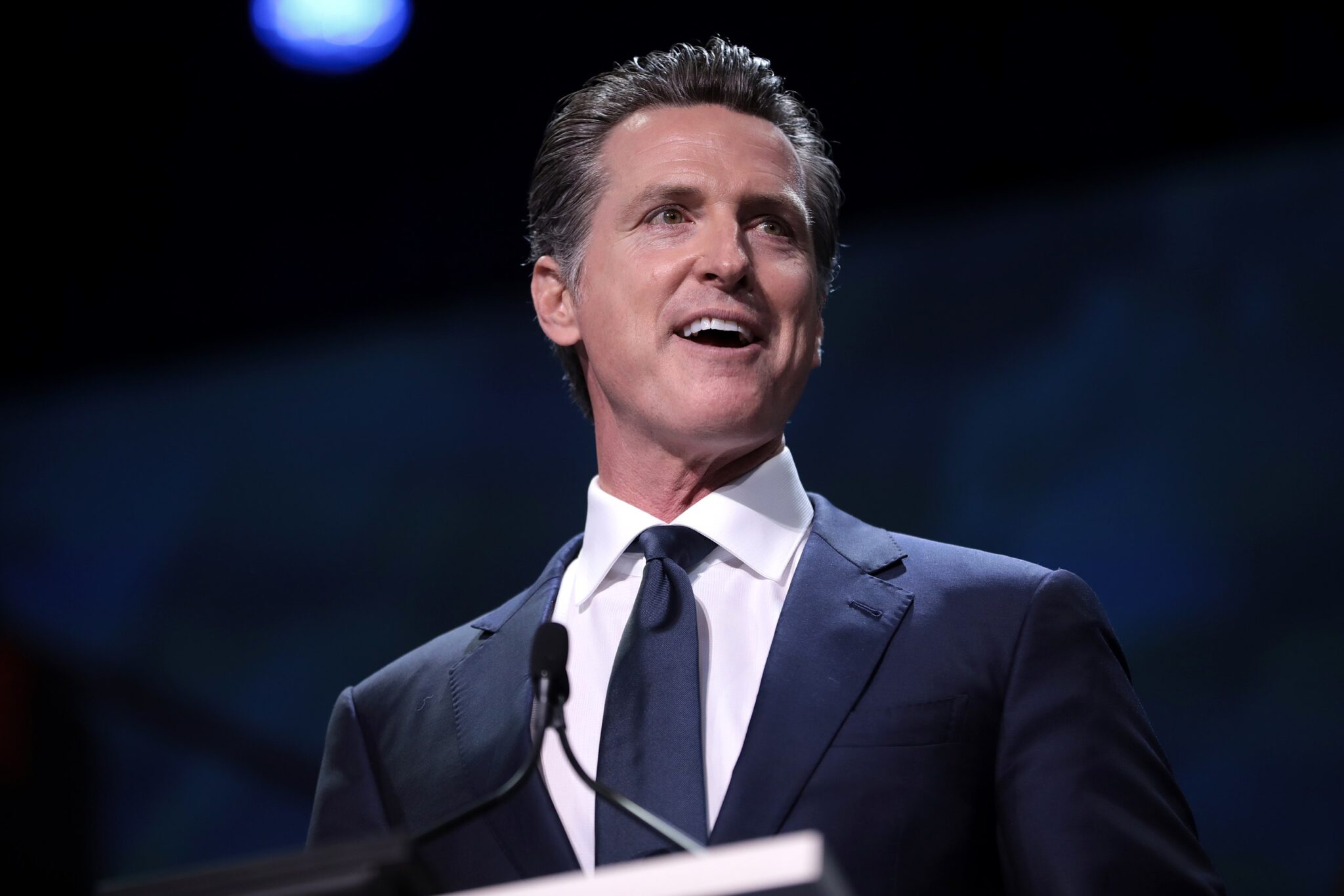
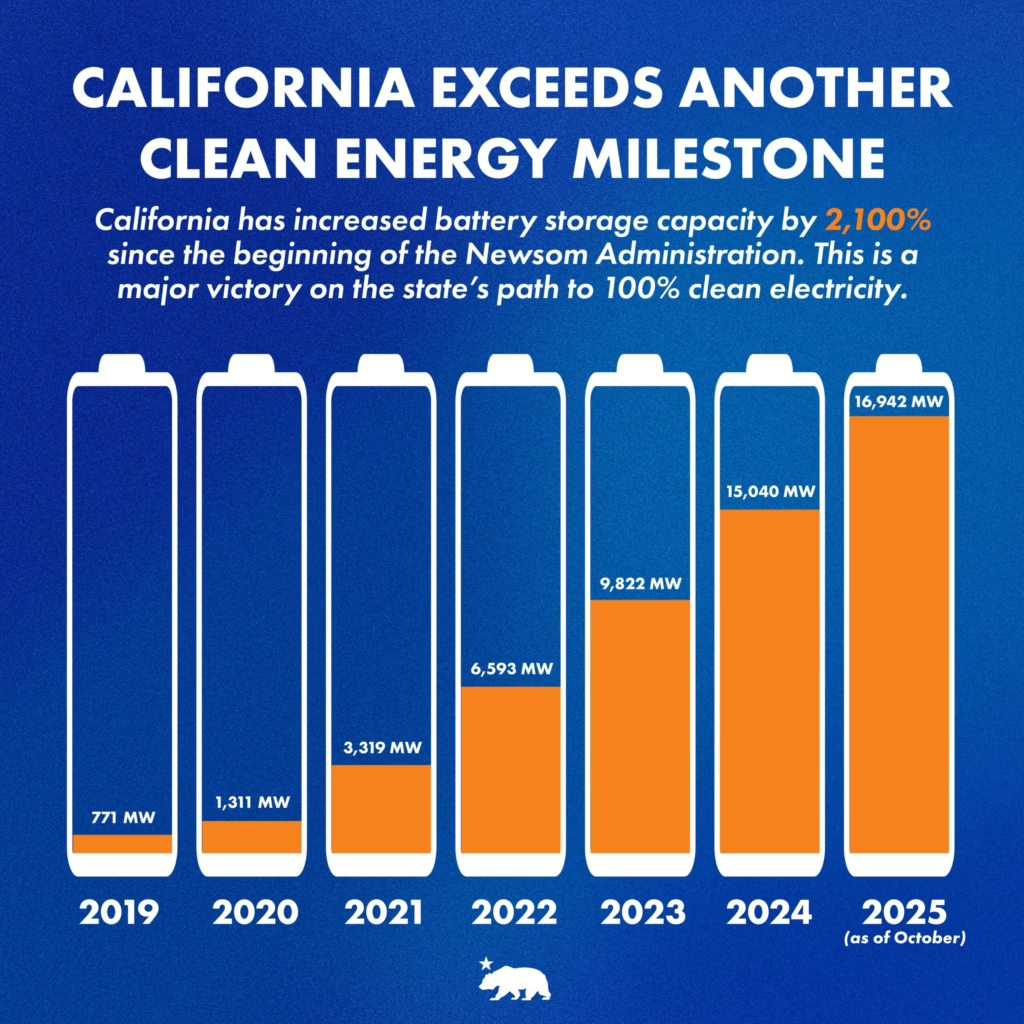
Addressing the UN Climate Change Conference in Brazil, Governor Gavin Newsom announced that California has installed 16,942 MW of cumulative energy storage projects, underscoring the state’s climate leadership.
The new total represents an increase of about 1,200 MW in the past six months and a 2,100% surge since Newsom took office in 2019. California has now built one-third of the 52 GW of storage capacity estimated to be needed by 2045 to reach its clean energy goals – a major step toward redefining grid reliability and accelerating the state’s transition to 100% clean energy, the governor said.
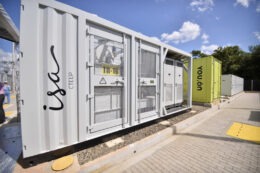
Accoding to the latest data from the California Energy Commission, 13,880 MW come from 248 large utility-scale projects. The rest is from behind-the-meter battery systems installed on more than 200,000 homes (2,213 MW) and businesses, schools and local government facilities (849 MW). Within the United States, California leads all states on installed storage capacity, followed by Texas with roughly 9 GW.
The state’s rapid battery buildout has allowed the grid to remain stable even as renewable penetration has grown. California has now gone three consecutive years without needing a Flex Alert – a voluntary call issued by CAISO asking residents and businesses to reduce electricity use during the early evening peak to prevent rolling blackouts. Batteries have played a pivotal role in avoiding those alerts by providing power as solar generation declines.
Newsom emphasized that storage investments, along with new clean generation, have strengthened the grid’s ability to meet demand during heat waves and extreme weather. Even as California added record amounts of new clean energy – now supplying nearly 67% of in-state retail electricity sales – and faced warmer-than-average temperatures in 2024, the grid held steady, underscoring its growing reliability and resilience.
Battery systems now provide enough capacity to serve about one-quarter of California’s record peak demand for several hours. Meanwhile, the California Independent System Operator, which serves roughly 80% of the state’s electricity consumers, has on average met demand with 100% clean energy for nearly six hours every day so far this year.
At COP30 on Thursday, Newsom also announced that California is joining the Global Energy Storage and Grids Pledge, a COP initiative backed by more than 100 countries and organizations. California will be the first subnational government to join the pledge, which sets global targets to deploy 1,500 GW of energy storage, double worldwide grid investments, and build 25 million kilometers of new transmission by 2030 – essential steps toward achieving the global renewable-energy tripling goal agreed to at COP28.
Newsom is the most senior US political figure attending the COP30 summit in Belém after President Trump took the unprecedented step of not sending a US delegation. Appearing on several panels earlier this week, Newsom criticized the administration’s absence as an abdication of responsibility and referred to Trump as an “invasive species” whose dismissal of the climate crisis is “an abomination.”
In his latest adress, Newsom said: “Donald Trump’s reckless energy agenda puts China first and America last – letting Beijing seize the global clean energy economy and the good-paying jobs, manufacturing, and economic prosperity that come with it. California won’t stand by and watch.”
“While Donald Trump is failing, the Golden State is leading. We’re deploying more battery storage than any state in America, building a stronger grid, cutting pollution, and making abundant clean energy even more affordable.”
Written by




Popular Posts