German government to revise the grid connection procedure for large battery energy storage systems

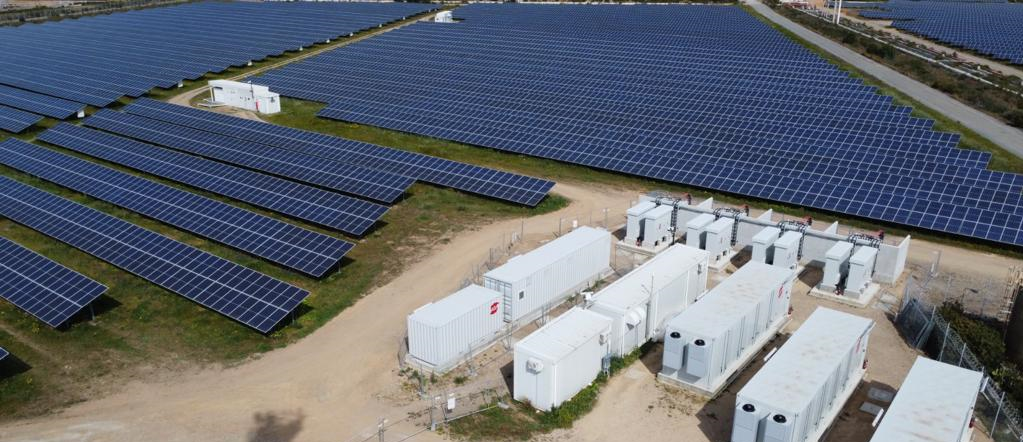
For months, the grid connection process for large battery energy storage systems above 100 MW has been a source of tension. Grid operators are struggling under a surge of applications that must be processed strictly in order of arrival, while investors are pushing to connect their projects and realize significant revenues. This situation stems from the Power Plant Grid Connection Ordinance (KraftNAV), which governs the connection of generation plants above 100 MW and to which network operators largely adhere.
So far, neither policymakers nor the Federal Network Agency have taken decisive steps to cut through the administrative deadlock. That may now change more quickly than expected. On Tuesday evening, Federal Minister of Economic Affairs and Energy Katherina Reiche (CDU) announced at a parliamentary event hosted by Eon that she plans to amend the grid-connection rules for large battery storage systems this year via a fast-track revision of the KraftNAV.
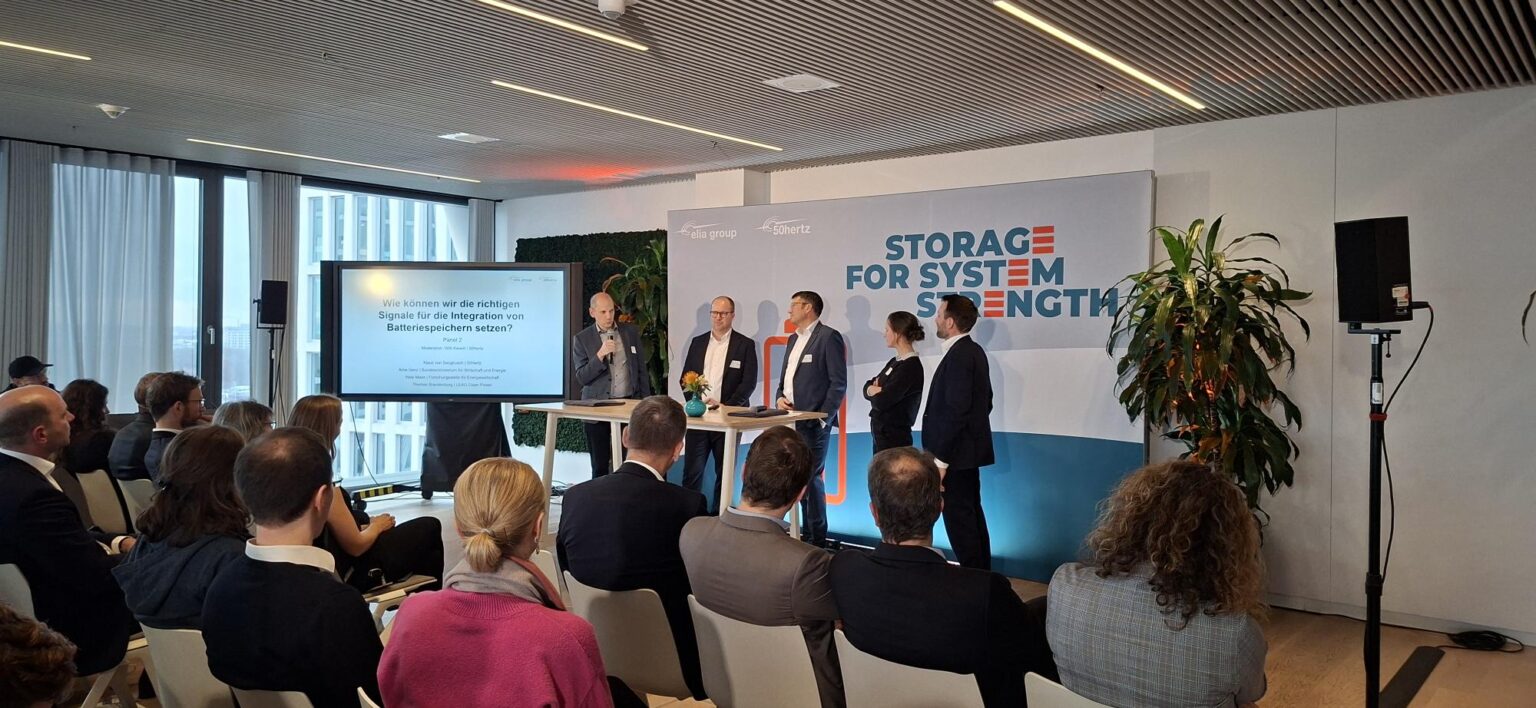
How such an accelerated process could work was explained the next day at a 50Hertz event in Berlin by Arne Genz, a department head at the ministry and responsible for energy storage policy. He confirmed that the minister had clearly set out her position. Because KraftNAV is a government regulation, changes do not require approval from the Bundestag. Instead, an amendment must undergo interministerial consultation and then be adopted by the federal cabinet. After that, the Bundesrat must approve it. According to Genz, several states have already signaled support for such a revision. “In theory, the amendment could be implemented fairly quickly. In fact, one sentence would be enough to remove energy storage from the current legislation,” he said.
The Federal Ministry for Economic Affairs and Climate Action also confirmed the minister’s remarks to pv magazine on Wednesday evening. A ministry spokesperson said Reiche had spoken about the role of distribution networks and highlighted the need to improve the grid-connection process. Possible measures, the spokesperson noted, include revising the KraftNAV for large storage facilities, tightening application requirements, adjusting the current “first-come, first-served” procedure, and improving transparency regarding available grid capacity. Further details were not provided due to the ongoing development of the measures. Initial proposals are expected to be released for public consultation in the first quarter of 2026.
Preferential treatment for large battery storage already under pressure?
Just days ago, the Bundestag and Bundesrat approved legislation granting preferential treatment for battery storage systems above 1 MWh in outdoor areas as part of the latest amendment to the Energy Industry Act (EnWG). However, as discussions at the 50Hertz event suggested, it is unclear how long this provision will remain in place. Grid operators view the preferential treatment as counterproductive in light of the mounting volume of large-scale storage applications. Resistance is reportedly building among the states as well. Ahead of last Friday’s Bundesrat vote, it was considered possible that the states might call for the mediation committee. In the end, however, they allowed the EnWG amendment to pass unchanged.
From pv magazine Germany
Written by





Popular Posts