Inlyte proves out first full-scale iron–sodium battery system in factory test, paving way for 2026 US production

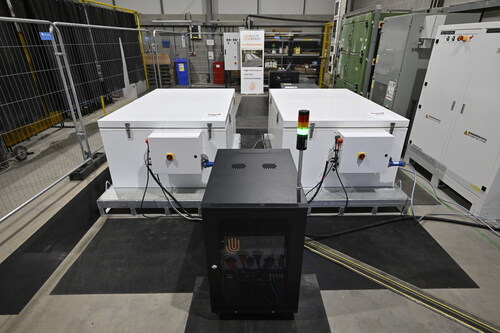
California start-up Inlyte Energy has announced a key milestone in the development of its long-duration iron–sodium battery technology, completing a factory acceptance test for its first field-ready system at its facility near Derby, UK.
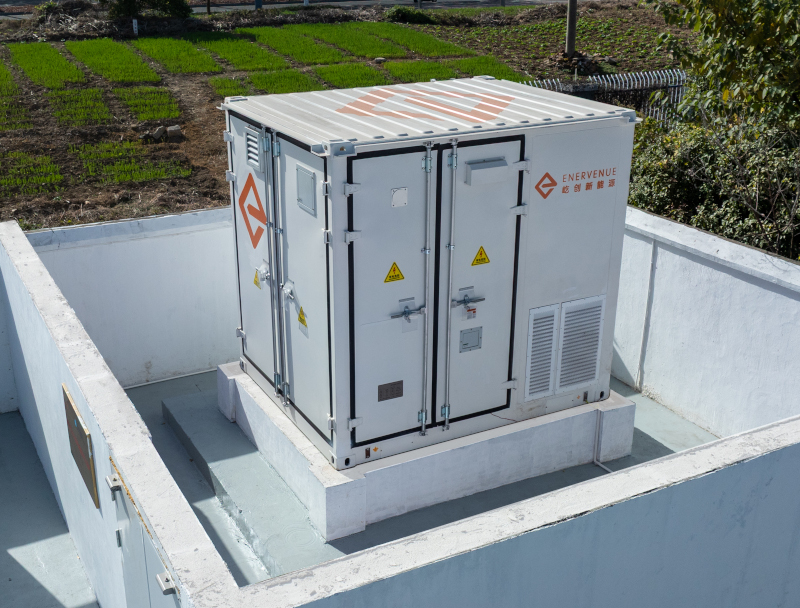
The test, witnessed by representatives from Southern Company – one of the major energy providers in the US – validated the performance and integration readiness of Inlyte’s battery system, which combines advanced sodium metal chloride cells with inverter and control electronics. The achievement marks a major step toward commercialization, the company said.
According to Inlyte, the tested unit incorporates what it describes as the world’s largest sodium metal chloride battery cells and modules built to date, with each module capable of storing more than 300 kWh of energy.
“To win the future we need abundant and secure supplies of energy in the US, and at the same time we need to make costs go down, not up,” said Antonio Baclig, CEO of Inlyte Energy. “We can’t do that by building the same thing as China. We need to make better technologies, with batteries that are fundamentally lower cost, safer, and longer lasting. By leveraging a breakthrough in the use of iron in the proven sodium metal chloride battery, Inlyte can scale rapidly.”
During the factory test, Inlyte’s battery achieved 83% round-trip efficiency, including auxiliaries – competitive with lithium-ion systems and significantly above the 40%–70% range typical of other long-duration energy storage (LDES) technologies. The system is scheduled for field installation at Southern Company’s Energy Storage Test Site in Wilsonville, Alabama, in early 2026.
Inlyte’s battery technology builds on the established sodium metal chloride battery architecture and relies on abundant iron and sodium. The company says this chemistry offers high efficiency for daily cycling (4–10 hours) and cost advantages for long-duration operation (24+ hours).
Sodium metal chloride batteries were originally developed for electric vehicles in the 1980s and 1990s, but commercialization has been constrained by cost structure and scale. Inlyte’s approach replaces nickel with low-cost iron to unlock more economical manufacturing while retaining the performance profile of the original technology.
Research on sodium–iron chloride chemistry has historically shown variable cycle life, but Inlyte reported a major breakthrough in December 2024: its cells surpassed 700 cycles with no measurable capacity loss and 90% round-trip efficiency, using commercially produced sodium metal chloride cell format. The company said these data – representing more than a year of testing – project a battery life of at least 7,000 cycles or 20 years, matching the durability of traditional sodium–nickel chloride systems at a fraction of the cost.
With readiness proven and pilots progressing, Inlyte is moving toward US manufacturing and commercialization. The company is finalizing a site for its first domestic production facility, planned for 2026, and has partnered with HORIEN Salt Battery Solutions to combine HORIEN’s manufacturing scale with its own system-integration capabilities. Commercial shipments are targeted for 2027.
Written by

Popular Posts