Marstek launches 2 kWh plug-in battery storage system

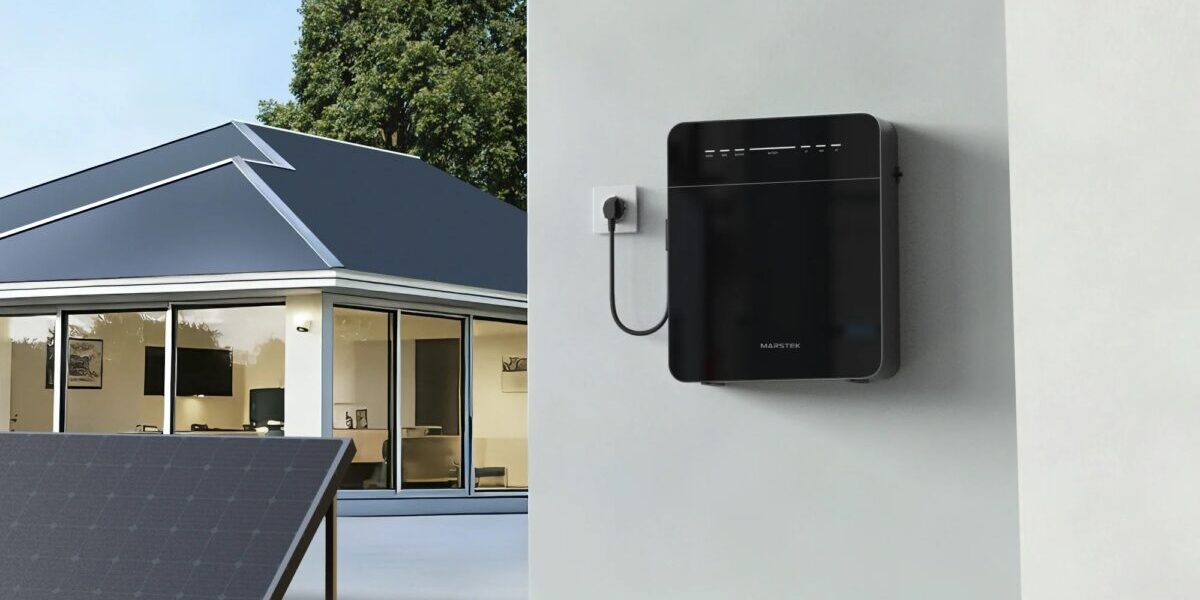
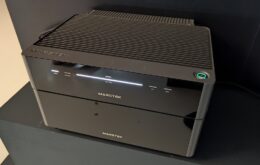
Battery manufacturer Marstek has introduced the Venus B, a plug-in energy storage device that can be connected via a standard Schuko socket. The system is designed for use with small photovoltaic systems and for optimizing energy costs with dynamic electricity tariffs.
The storage unit has a usable capacity of 2 kWh and is equipped with an integrated inverter. The maximum charging power from the grid is 1.5 kW. According to the manufacturer, the device can output either 800 W or up to 1.5 kW of power.
The device plugs into a wall socket and can thus absorb excess solar power from a plug-in solar system on the same circuit. Alternatively, the battery can also be charged with cheaper electricity from dynamic tariffs and discharged again when prices are higher. As is often noted, a profit may depend on round-trip efficiency.
According to Marstek, the storage system can be installed without any modifications to the existing plug-in solar system and is compatible with various photovoltaic systems.
The Venus B uses lithium iron phosphate (LFP) cells, which are said to have a lifespan of 6,000 charge cycles and a specified residual capacity of 80 percent. The battery operates with a depth of discharge of 90 percent.
The device is relatively compact measuring approximately 395 x 455 x 86 millimeters and weighs about 20 kilograms. The manufacturer describes it as a particularly slim plug-in power storage unit that can even be wall-mounted in living spaces. In addition to its mains-powered function, the unit also features a backup outlet for off-grid operation. In emergency power mode, the device delivers up to 1.5 kW of power, and up to 1.8 kW for short periods. Its efficiency is 88 percent.
The system is controlled via a smartphone app. Users can set charging and discharging times or use an automatic mode which, according to the manufacturer, takes electricity prices and load profiles into account.
The storage unit is IP65-rated for dust and water resistance and designed for ambient temperatures from -20 to +60 degrees Celsius. Communication with the app and solar inverter is via Wi-Fi or Bluetooth.
Multiple devices can be combined. According to the manufacturer, an additional control box allows up to three units to be connected, increasing the power output to up to 4.5 kilowatts and the storage capacity to around six kilowatt-hours.
From pv magazine Germany.
Written by




Popular Posts