Cuba adds a 1 MW BESS to its grid

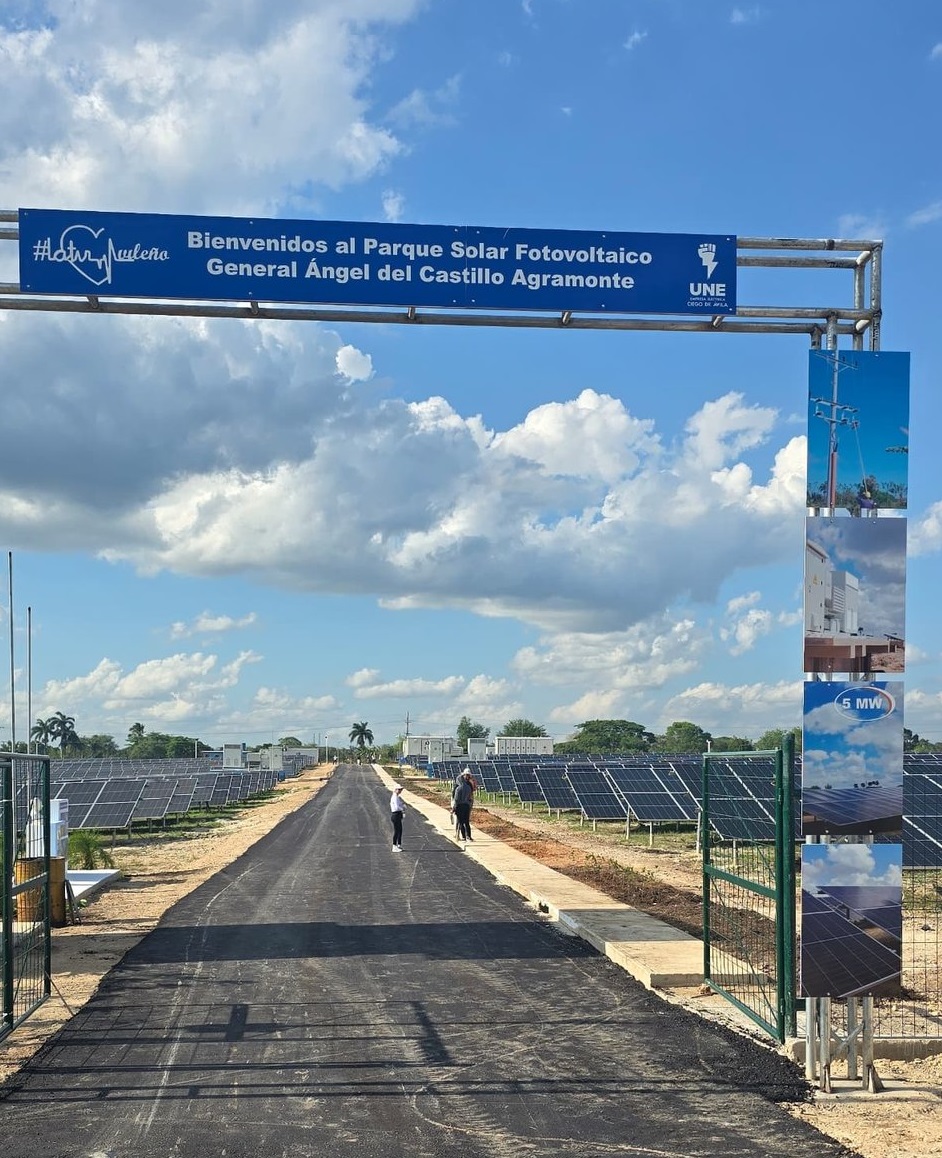
A new 5 MW solar photovoltaic plant equipped with a 1 MW Battery Energy Storage System (BESS) has been officially inaugurated in the Ciego de Ávila province of Cuba. The facility represents a significant step in the nation’s strategy to stabilize its national electric grid through the integration of renewable energy and storage technology.
The project, located in the Ceballos area, is part of a broader initiative supported by international cooperation to transition Cuba’s energy matrix away from a heavy reliance on imported fossil fuels. The inclusion of storage is particularly critical for the Cuban grid, as it allows for the “smoothing” of solar intermittency and provides energy during peak demand periods or when solar radiation is low.
According to local authorities and project engineers, the 5 MW capacity will contribute directly to the provincial grid, reducing the frequency of power outages in the surrounding region. The storage component consists of lithium-ion battery technology, designed to manage the discharge of electricity more effectively throughout the day.
During the inauguration ceremony, officials emphasized that this project serves as a model for future developments across the island. “This plant is not just about generating clean energy; it is about the sovereignty and security of our electrical system,” stated a representative involved in the project’s oversight. “The ability to store solar energy and deploy it when the system needs it most is the path we must follow to ensure a stable supply for our population.”
The Ceballos plant is one of several renewable energy projects currently being fast-tracked in Cuba. The government has set ambitious targets to reach 24% of electricity generation from renewable sources by 2030, a goal that necessitates a massive rollout of both solar PV and large-scale battery storage to manage the decentralized nature of these energy sources.
Beyond the immediate energy benefits, the project is expected to save the country thousands of tons of fuel annually and significantly reduce carbon dioxide emissions. The technical expertise gained during the construction and commissioning of this BESS-integrated site is expected to be applied to larger solar parks currently in the planning stages across other Cuban provinces.
From pv magazine LatAm.
Written by



Popular Posts