R&D
Advertisement
Advertisement
Advertisement
Latest News
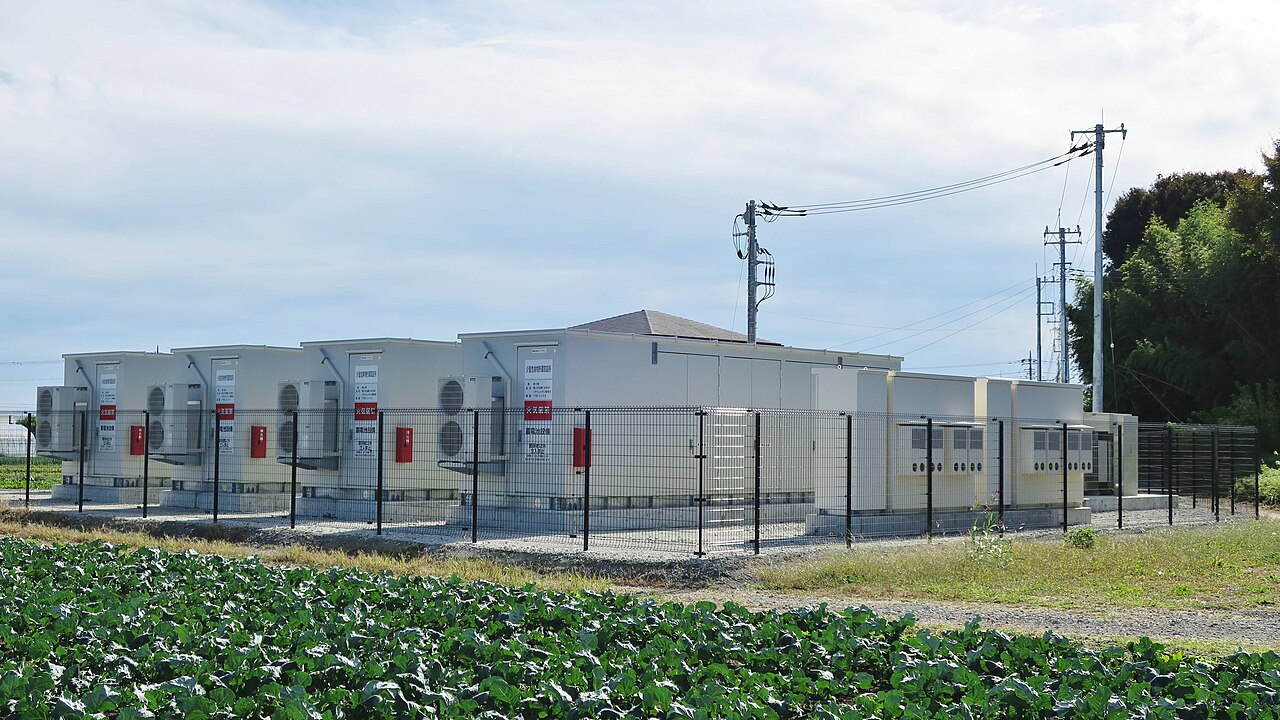
Advertisement
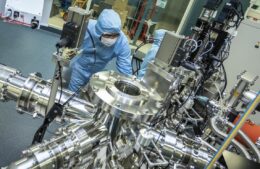
Scientists demonstrate quantum battery prototype with rapid charging
Scientists from Australia’s Commonwealth Scientific and Industrial Research Organisation (CSIRO), RMIT University and the University of Melbourne have developed a quantum battery prototype that demonstrates rapid, scalable energy storage using collective quantum effects.

Small 24/7 clean power commitments could cut costs for long-duration storage
TU Berlin researchers say early demand for round-the-clock carbon-free electricity could help bring advanced energy technologies to market faster through technology learning effects. Grant funding for the research was provided by Google, which has since announced plans to build the world’s largest iron-air battery.
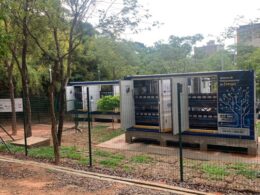
BESS in Brazil: Feasibility of three strategic approaches
Based on real data from the National Interconnected System between 2024 and 2025, the study evaluates the technical, economic, and regulatory performance of batteries operating as autonomous market agents, behind the meter for consumption shifting, or co-located with distributed solar generation.

Comparing safety profiles of lithium-ion, sodium-ion and solid-state batteries
New research finds that battery safety rankings are not universal but highly dependent on application scenarios, and shows that LFP batteries can emit high levels of hydrogen fluoride, challenging their reputation as the “safest” chemistry.






Advertisement
All R&D news
Advertisement
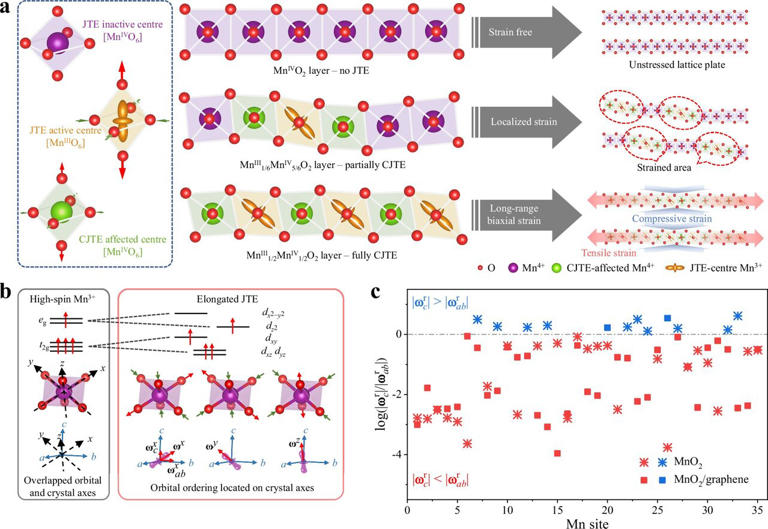
Australian researchers achieve zinc-ion battery life breakthrough
Australian researchers are reporting a breakthrough with zinc-ion battery technology, developing a new method to significantly boost the structural stability of the cathode material that enables the battery to operate reliably for more than 5,000 charge-discharge cycles.
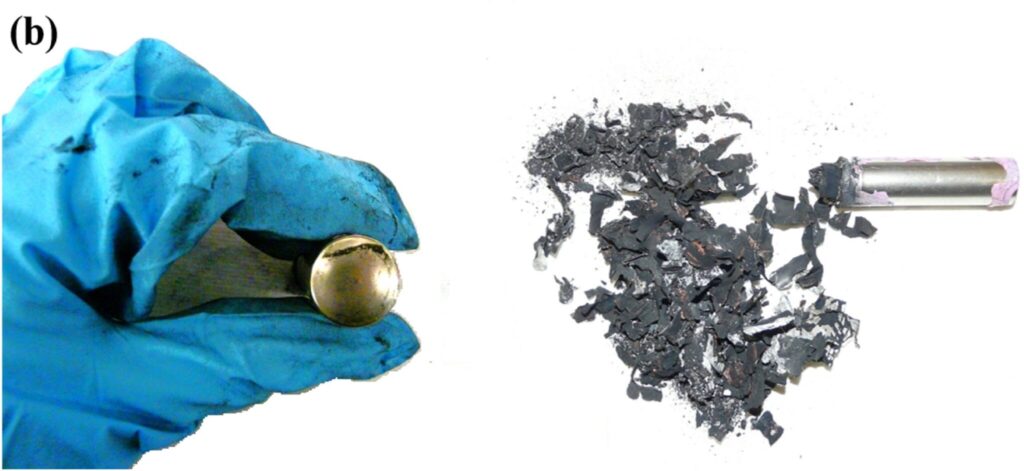
Comparing thermal runaway behavior of sodium-ion, lithium-ion batteries
Scientists in Germany have analyzed the thermal runaway behavior of sodium-ion batteries and lithium-ion batteries inside a 10-L reaction vessel. They have thermally abused 30 samples, each under a different state of charge level, and have found that both types suffered from runaway when the charge is at least 50%.
Advertisement


Optimizing Carnot batteries for renewables storage
Based on the the heat pump-organic rankine cycle, scientists in Portugal have created six different models of Carnot batteries for stationary storage. They investigated 16 different combinations of working fluids and created a multi-objective optimization for the best candidate.
Advertisement