R&D
Advertisement
Advertisement
Advertisement
Latest News
Advertisement
Titanium emerges as a vanadium alternative for redox flow batteries
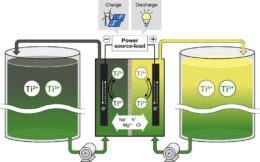
A Japanese-Chinese team developed a titanium molten salt redox-flow battery using abundant titanium ions and molten salt electrolytes to enable high-voltage, fast, and stable grid-scale energy storage. The system demonstrates high efficiency of over 97%, strong cycling stability, and improved cost and scalability compared to vanadium-based batteries, with further optimization underway.


Spain completes testing of Europe’s largest research vanadium BESS
Spain’s Fundación Ciudad de la Energía (Ciuden), a government energy research foundation, has completed operational testing of a 1 MW/8 MWh vanadium redox flow battery (VRFB) system at its Cubillos del Sil technology center, which it says is the largest vanadium flow battery in Europe dedicated to applied research.
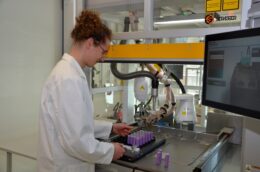
New cost-saving copper welding technique for battery cells revealed by Fraunhofer
Resistance projection welding technique could unlock cost-effective copper interconnection potential. Described as a major opportunity for German battery manufacturers, the new approach to copper interconnections will now be used in commercial production.




Advertisement
All R&D news


Battery storage boosts viability of south-facing solar facades
Researchers in Germany have examined how battery storage could help façade PV systems move beyond their niche market by 2030. Their findings show that a large majority of south-oriented façades in Europe could be equipped with vertical solar arrays combined with batteries.

Advertisement
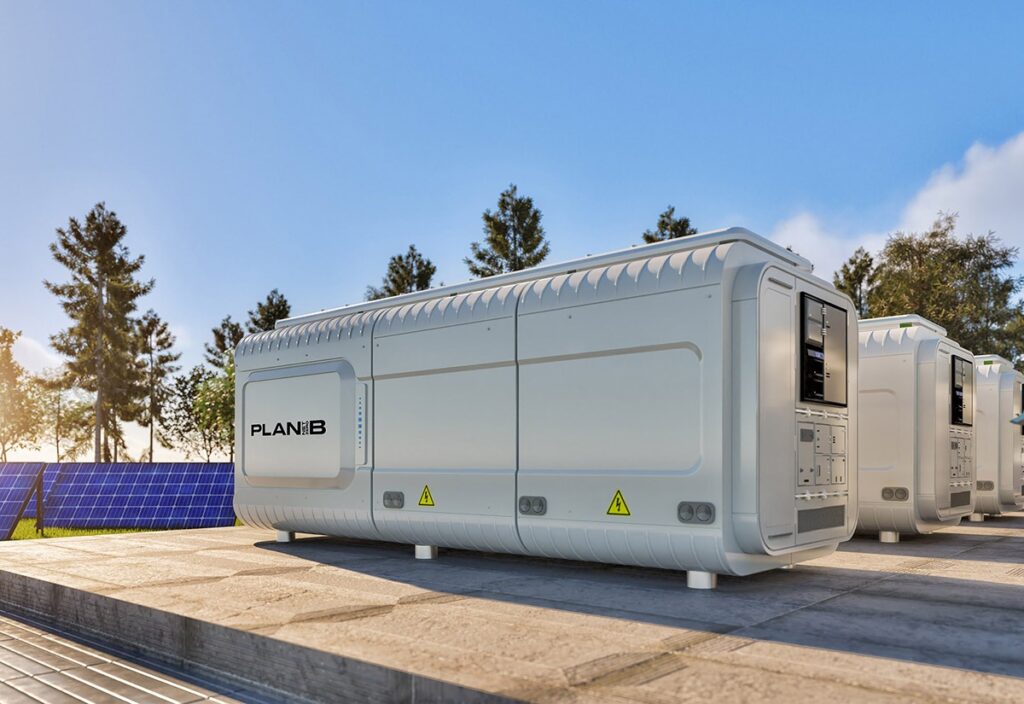
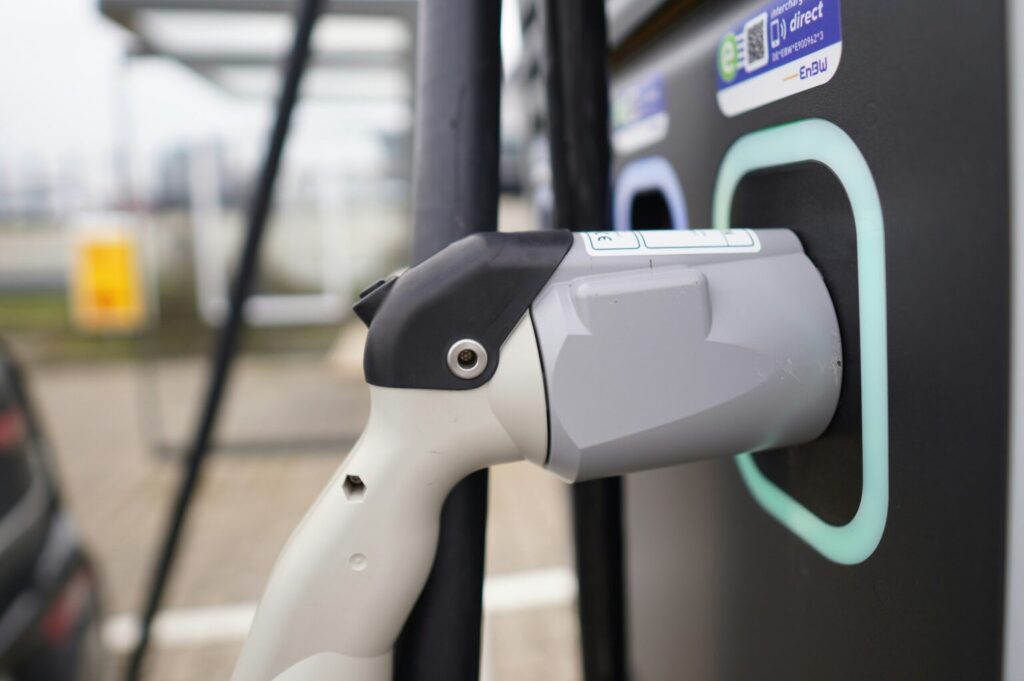
European project to use grid forming loads to stabilize power networks
The Universitat Politècnica de Catalunya – BarcelonaTech (UPC) is leading a project that proposes using grid-forming loads, which includes storage, to provide maximum flexibility and to enable future electricity systems with very high renewable energy content.
Advertisement
Advertisement