Sodium-ion batteries
Advertisement
Advertisement
Advertisement
Latest News
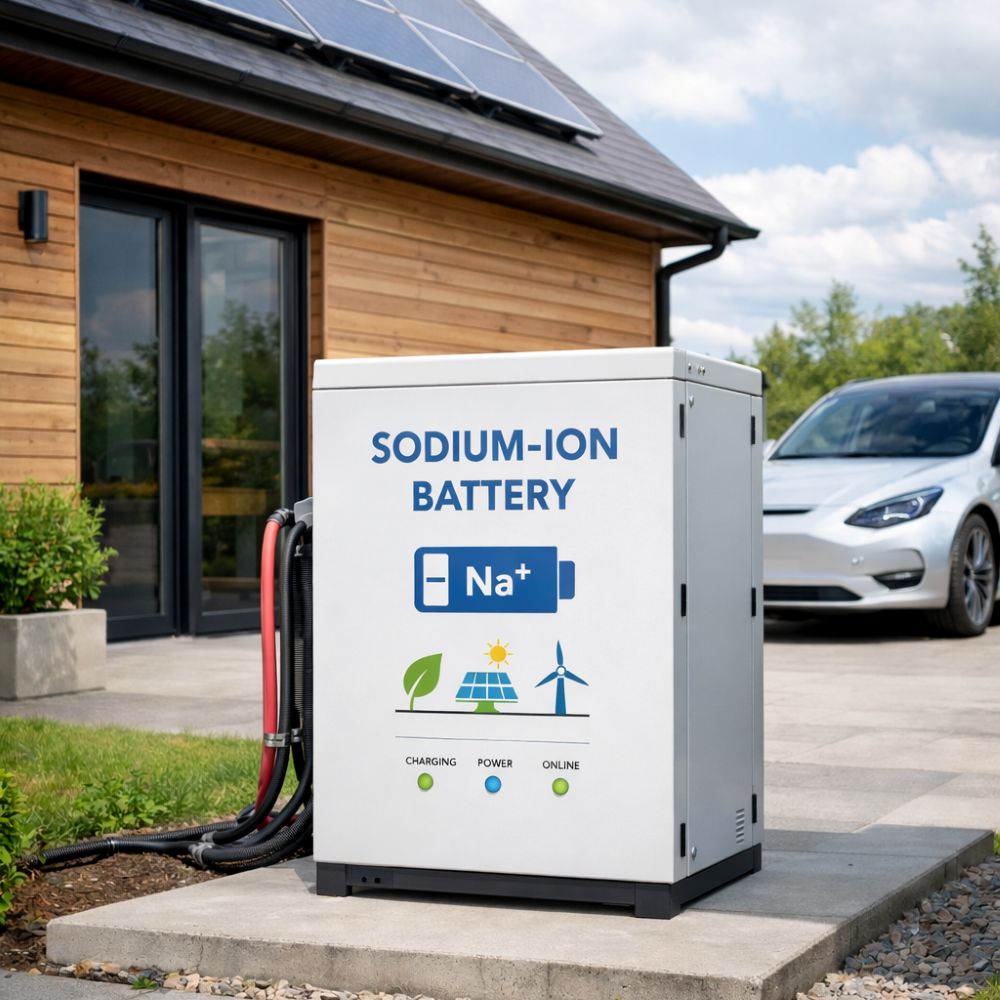
Sodium-ion vs lithium-ion BESS: Cost parity not before 2031
“Europe needs massive investments in energy storage to achieve true independence. This requirement cannot be met by a single technology, let alone by depending on a single geographic area. The goal is therefore to build a storage industry and a broader grid infrastructure under the control of Western countries. A strategic and ambitious goal that will take time,” Dario Bertagna, senior managing director and co-head of Clean Energy at Capital Dynamics, told pv magazine Italia.
May 19, 2026
Advertisement
New electrolyte tech enables stable operation of high-voltage sodium-ion batteries
U.S. researchers developed a meta-weakly solvating electrolyte that optimizes sodium-ion solvation structure, enabling faster ion transport, reduced side reactions, and improved interfacial stability in high-voltage sodium-ion batteries. This design significantly extends cycle life and outperforms conventional and localized high-concentration electrolytes by promoting more uniform and stable electrode–electrolyte interfaces.
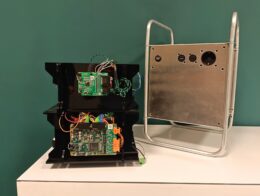
New partnership advances sodium-ion manufacturing in Spain
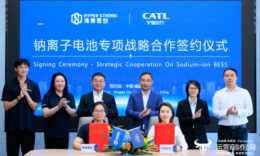
In a week marked by the largest sodium-ion battery order to date, widely seen as a watershed moment for the technology’s commercialization at scale, one of Europe’s emerging players, Spain’s Bihar Batteries, is strengthening the outlook for European-made sodium-ion batteries.
Advertisement
All Sodium-ion batteries news

Sembcorp to expand Southeast Asia’s biggest battery storage site
Built across two sites on Jurong Island, Sembcorp's lithium ion battery storage system will now be expanded to 311 MWh. Meanwhile, Singapore's Energy Market Authority (EMA) has awarded grants to local sodium-ion and vanadium-flow specialists in a bid to enhance grid stability, also via underground system deployment.

Advertisement
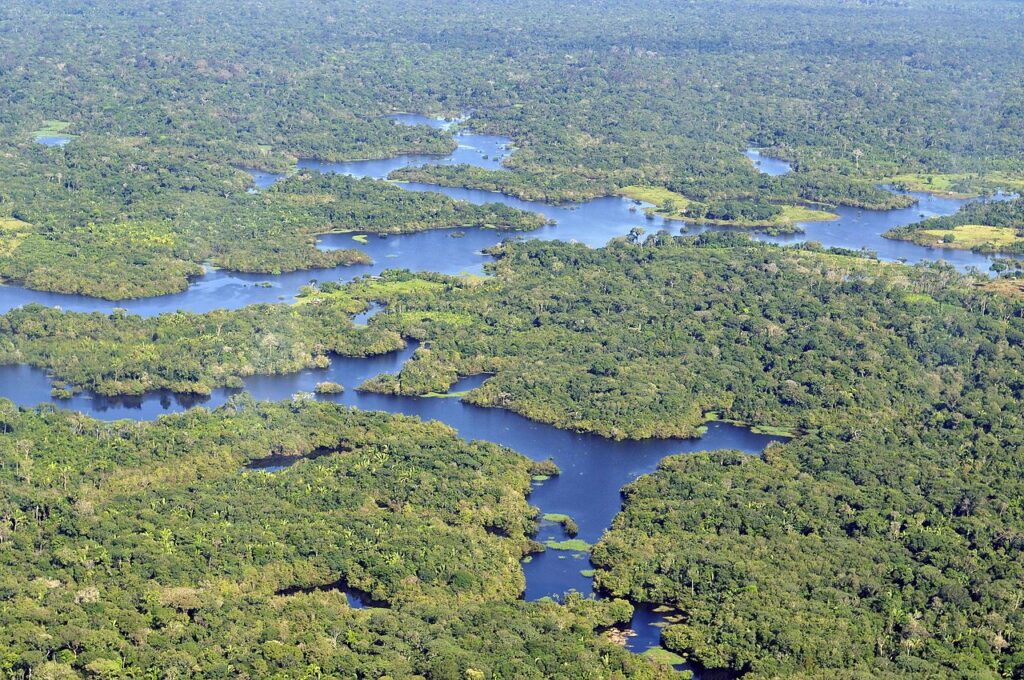
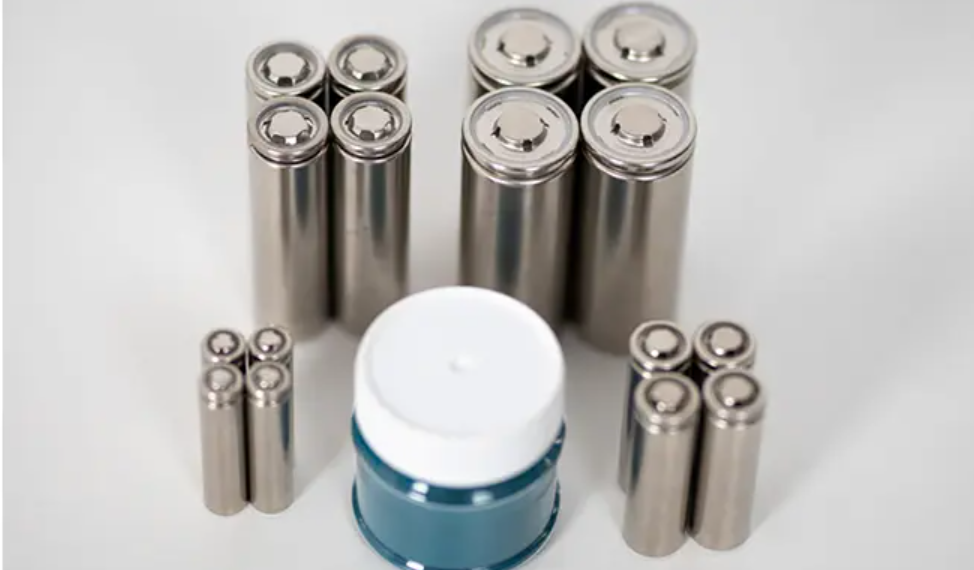
UCB to deploy sodium-ion batteries for remote Amazon community
The project involves 48 V sodium batteries, each capable of storing the equivalent of 38.4 kWh. The stored energy will power a school, health center, and community leisure areas for around 30 families. UCB will produce the batteries in Brazil's Manaus Free Trade Zone.
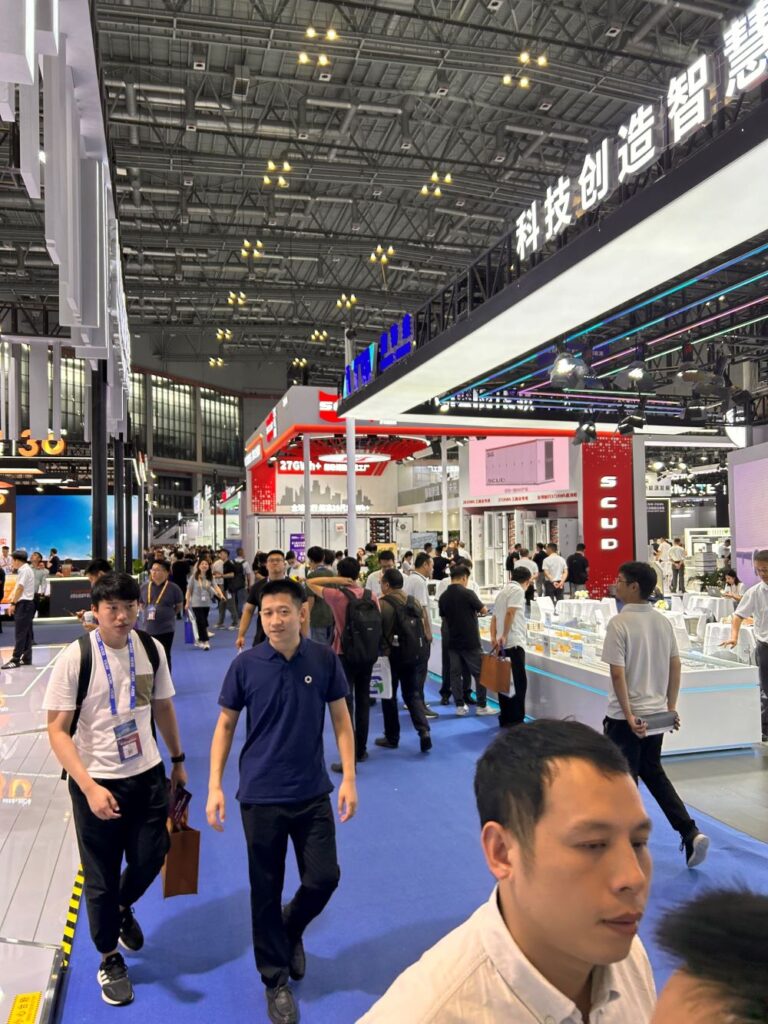
Large-capacity battery storage, variety of C&I solutions at China’s EESA EXPO
This year’s edition of the China International Energy Storage Expo (EESA EXPO) has underlined the latest energy density achievements in the battery energy storage space on both cell and system levels. Meanwhile, the sheer number of commercial and industrial (C&I) systems on display spoke of growing demand in this market segment. Alternative lithium-ion battery chemistries were not easy to find.
Advertisement
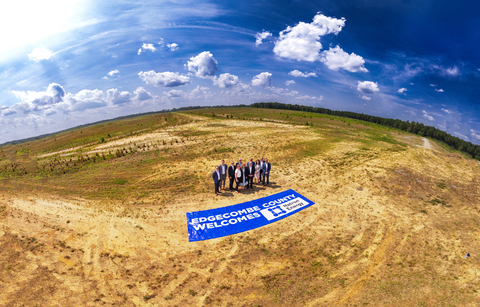
Natron Energy to build gigawatt-scale sodium-ion battery plant in North Carolina
The new planned manufacturing facility will produce 24 GW of Natron’s sodium-ion batteries annually. Natron says its batteries outperform lithium-ion batteries in power density and recharging speed, do not require lithium, cobalt, copper, or nickel, and are non-flammable. The plant will be the first double-digit GW sodium-ion plant in the USA.
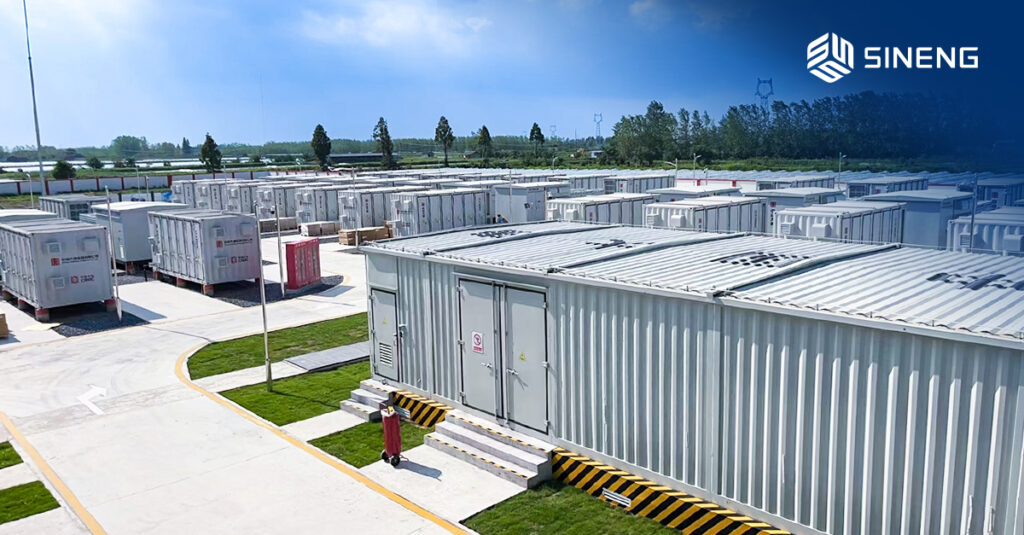
50MW/100MWh Sodium-ion ESS goes online in China with string PCS MV stations
In the Hubei province in China, 50MW/100MWh is just the first phase of the sodium-ion battery energy storage system (BESS) project spearheaded by Sineng Electric. The project should eventually have a storage capacity of 100MW/200MWh. The initial capacity has already been connected to the grid and begun operations, able to supply power to around 12,000 households for a whole day.
Advertisement