Sodium-ion batteries
Advertisement
Advertisement
Advertisement
Latest News
Advertisement
New electrolyte tech enables stable operation of high-voltage sodium-ion batteries
U.S. researchers developed a meta-weakly solvating electrolyte that optimizes sodium-ion solvation structure, enabling faster ion transport, reduced side reactions, and improved interfacial stability in high-voltage sodium-ion batteries. This design significantly extends cycle life and outperforms conventional and localized high-concentration electrolytes by promoting more uniform and stable electrode–electrolyte interfaces.

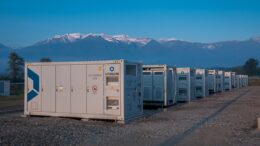
New partnership advances sodium-ion manufacturing in Spain
In a week marked by the largest sodium-ion battery order to date, widely seen as a watershed moment for the technology’s commercialization at scale, one of Europe’s emerging players, Spain’s Bihar Batteries, is strengthening the outlook for European-made sodium-ion batteries.




Advertisement
All Sodium-ion batteries news
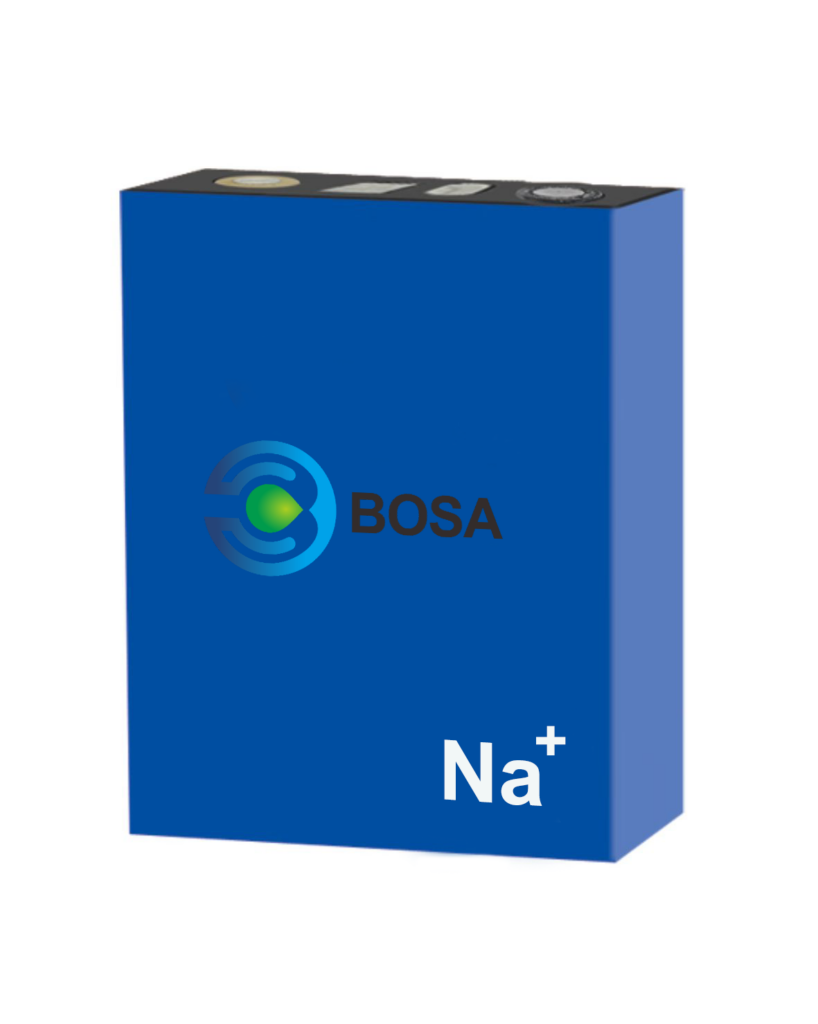

2D carbon selenide offers route to competitive sodium-ion batteries
Researchers at TU Delft propose using 2D carbon selenide as a sodium-ion battery anode, offering a theoretical capacity of 589 mAh/g with minimal volume expansion. Computational studies confirmed the material’s structural and thermal stability, as well as tunable electrochemical properties, making it a promising candidate for large-scale, renewable-linked energy storage.
Advertisement
Advertisement
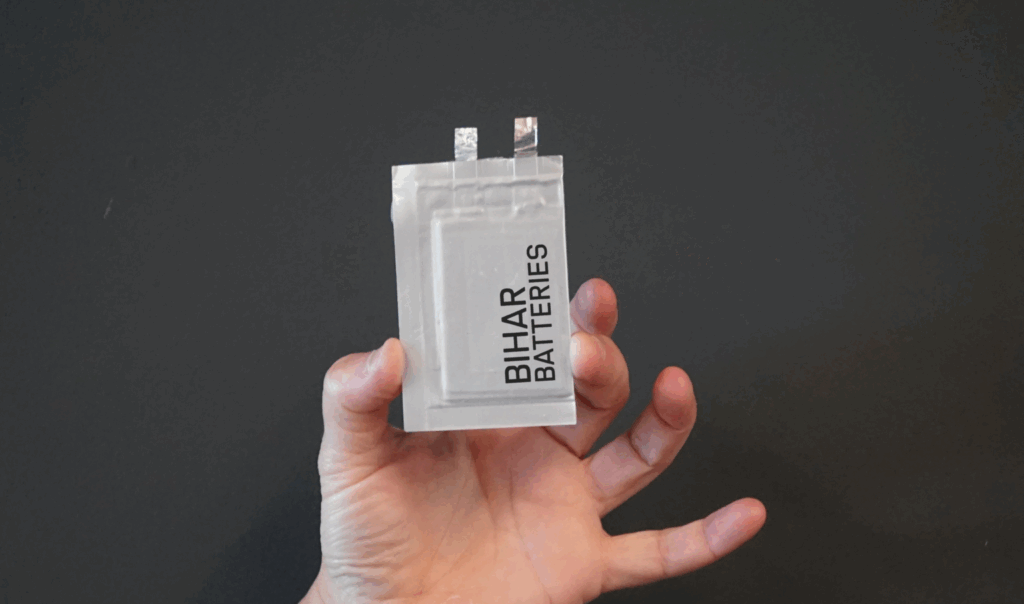
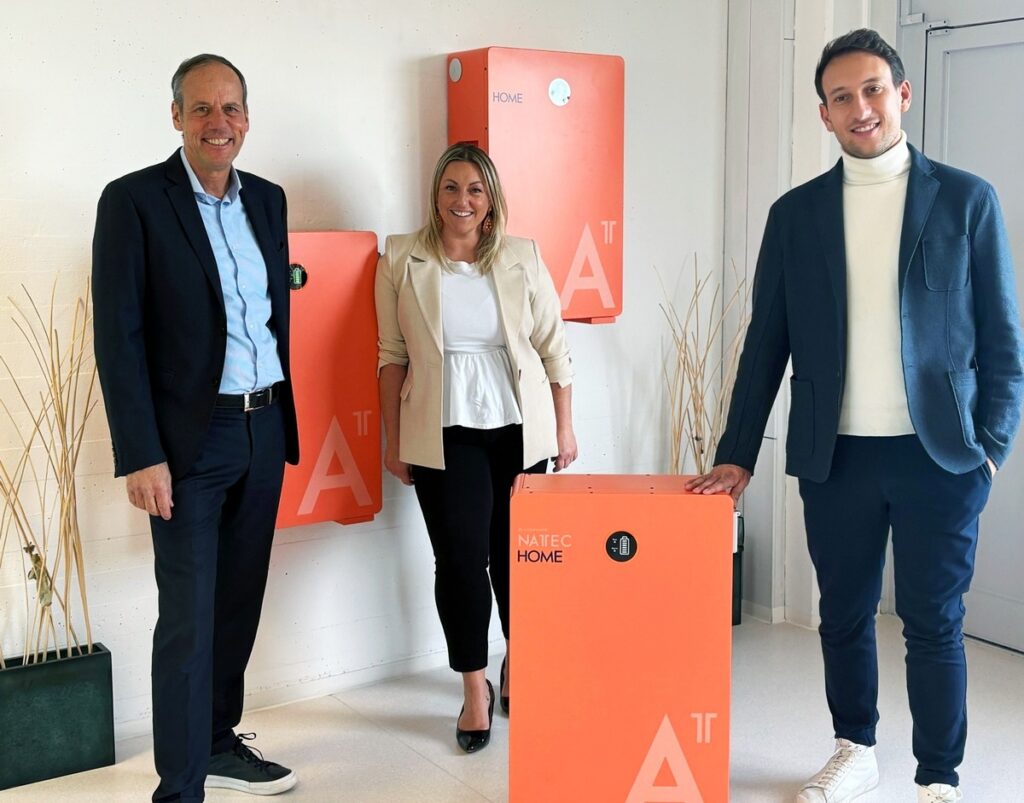
All European sodium-ion battery manufacturers at a glance
The European Economic and Social Committee (EESC) will place sodium batteries at the center of its work on the EU’s industrial strategy and is calling for swift action. pv magazine has compiled a list of manufacturers developing this technology in Europe.
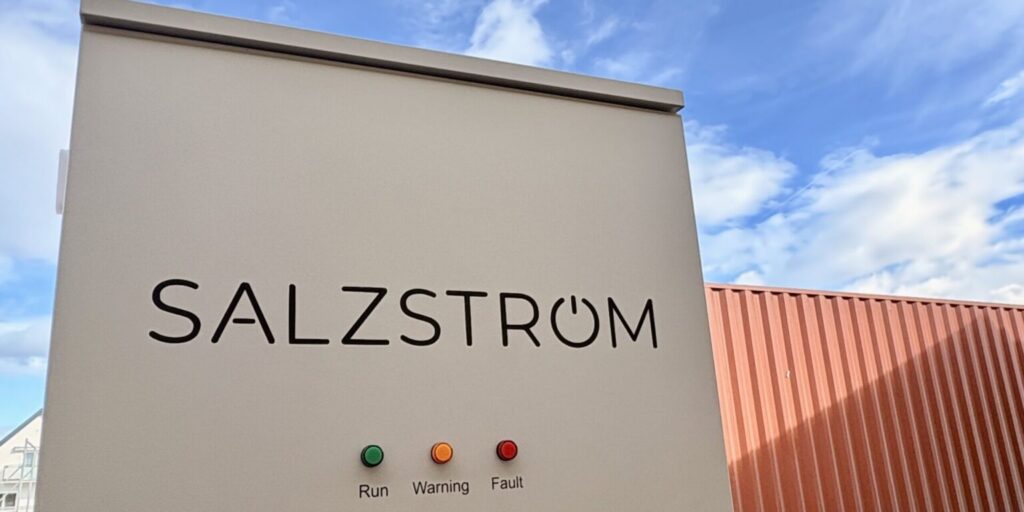
Sodium-ion storage system for commercial operators from Austria’s Salzstrom
The new "SALT 110" battery storage system from the Vienna-based company has a usable capacity of up to 110 kilowatt-hours. The first systems are scheduled to be installed at customer sites in Germany and Austria at the beginning of March.
Advertisement