Uncategorized
Advertisement
Advertisement
Advertisement
Latest News
Advertisement

CATL invests $600 million in Chinese data center power business
Battery manufacturer increases investment in Zhongheng Electric shareholder, a data center power system provider in China. The deal sees CATL increase exposure to high-voltage direct current (HVDC) infrastructure as AI sector pursues DC architecture for data centers.
Brookfield, La Caisse acquiring Canada’s biggest BESS developer in $6.5 billion deal
French-Canadian developer behind 1.2 GWh Hagersville BESS agrees to acquisition deal following review and board approval. New owners have pledged to invest in project pipeline for developer with international portfolio of solar, wind and BESS projects.
Why Rhythm Energy turned to Origin’s Kinergy for its Texas VPP ambitions
In a first for North America, the Texas retailer is entering home battery aggregation, using Origin's Kinergy platform that comes out of Australia, along with interoperability specialist Intertrust. Co-founder Matthew Tolliver explains the choices, why residential batteries are the starting point, and the still strong friction in scaling VPPs.

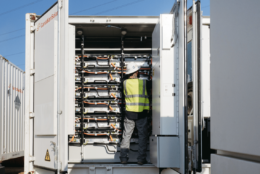
Canadian Solar subsidiary inks 2.5 GWh BESS deal for US data center support
E-storage will supply battery energy storage system (BESS) to major US utility with shipments expected to start in March 2027. Parent firm Canadian Solar says supply will “supporting data center grid infrastructure and resiliency.”



Advertisement
All Uncategorized news
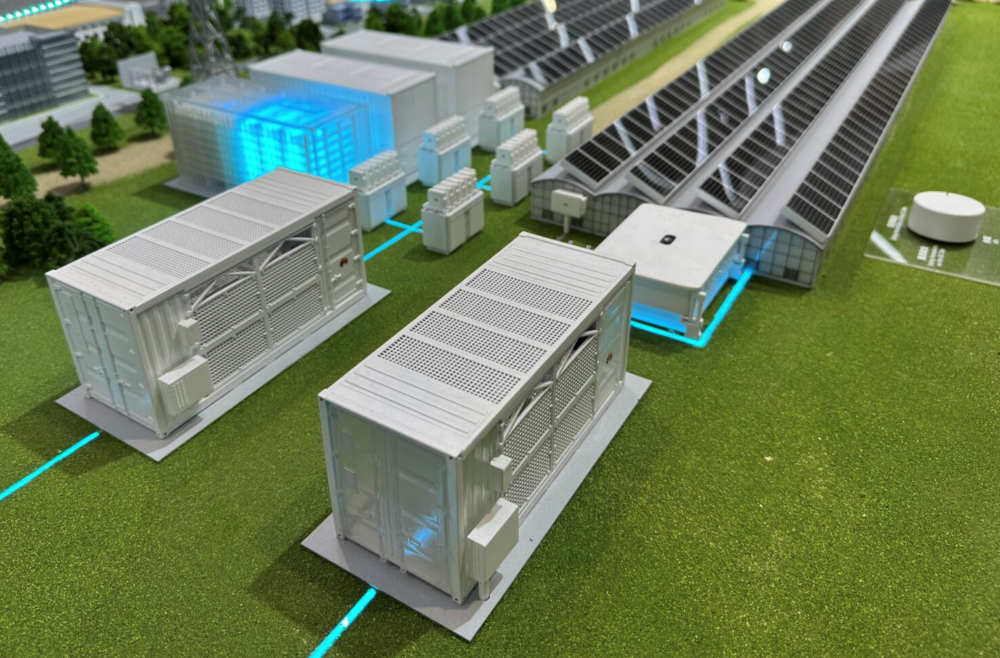
New digital twin tech promises significant advancement in BESS performance management
The new digital twin technology from Brussels-based 3E, developed in partnership with the Free University of Brussels (VUB) as part of the Belgium government-funded FULLEST project, reveals a significant oversight in how Europe’s utility-scale battery storage systems are managed. While 80% of operators depend solely on battery management systems (BMS) for performance management, 3E’s solution identified a 4% discrepancy between reported and actual battery health – enough to affect both operations and revenue-making potential.
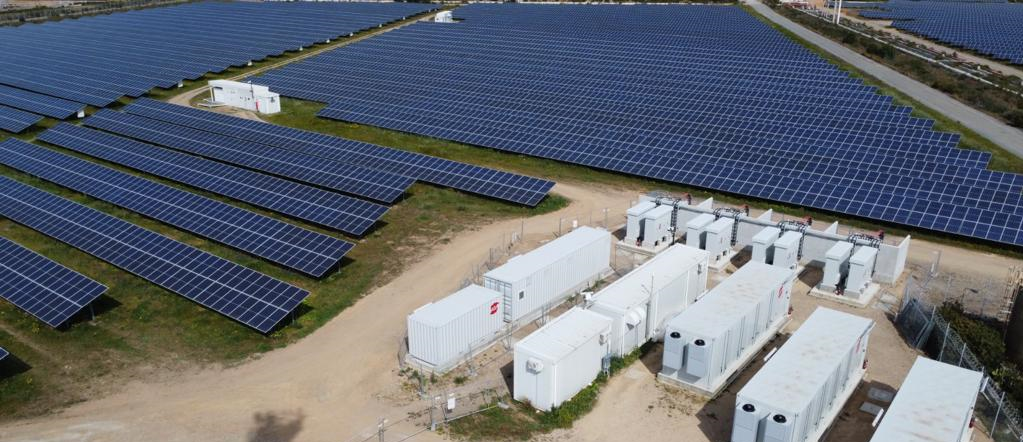
It’s high time for an EU Battery Storage Action Plan
Global deployment of battery energy storage systems (BESS) is accelerating at an unprecedented pace – with world installations projected to expand swiftly in the coming years. While the European Union experienced a sluggish growth in BESS deployment in 2024, it is poised for a bounce back in 2025. However, absent bold and decisive policymaking, the EU risks falling considerably short of the scale required to meet its climate and energy targets, writes Antonio Arruebo, market analyst at Solar Power Europe.
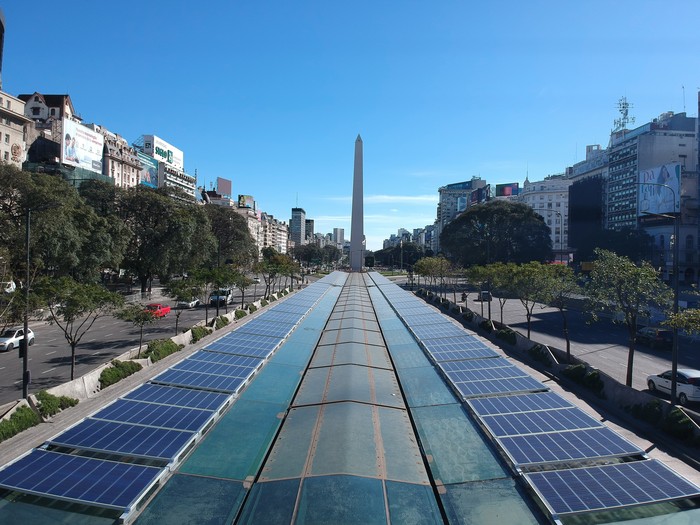
Argentina’s oversubscribed BESS tender draws record-low bids
The Argentine Energy Secretariat has received significantly more bids than expected for its public call to install large-scale battery energy storage systems (BESS) in the Buenos Aires metropolitan area (AMBA). Although the tender aimed for 500 MW, the AlmaGBA procurement drew proposals totaling 1,347 MW on the back of highly competitive pricing and strong industry interest.
Advertisement

Island Green completes consultation on co-located solar and ‘up to’ 500 MWh BESS project
UK developer expected to submit development consent order application for East Pye Solar project in fall 2025. The application will then be assessed by the UK planning inspectorate before a final decision is made by the Energy Secretary.

Apatura 1.12 GWh BESS approved in Scotland, unveils BESS and data center plan
Apatura secures permission from Scottish government’s energy consent unit for major battery energy storage system (BESS) project near Glasgow. The decision follows June announcement of a major BESS plus data center project on part of the former Ravenscraig Steelworks site in central Scotland.
Advertisement
Sungrow champions utility-scale storage as key to South Africa’s energy resilience
In South Africa, persistent, unreliable energy supply has become the norm; a symptom of an overstretched power grid grappling with outdated infrastructure and surging electricity demand. For communities, businesses and industries alike, the urgency to transition to cleaner, more stable energy systems has never been greater.
Advertisement