Battery storage system en route to Australia’s remote Tiwi Islands community


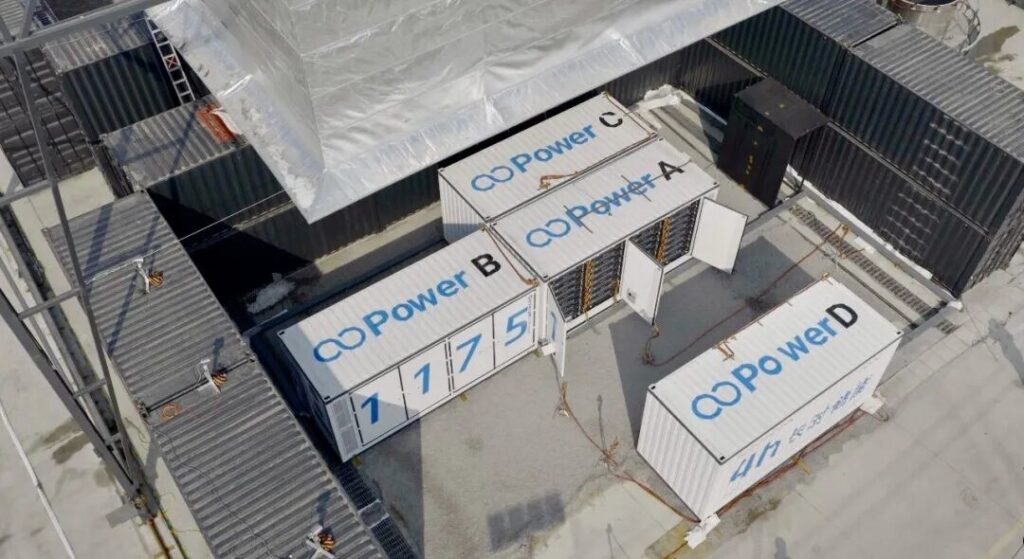
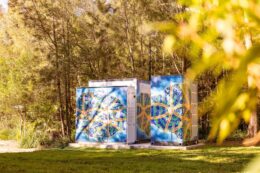
A 1.75 MVA battery energy storage system (BESS) has passed a testing phase and will now be delivered to the $6.1 million (USD 10.7 million) Wurrumiyanga Solar Infill and Energy Storage Pilot Project on Bathurst Island, 80 kilometres north by ferry from Darwin, Northern Territory, Australia.
The test simulated complete loss of the pilot project’s 1.1 MW solar array to ensure the battery can cover the loss of the renewable supply.
The project’s solar array is the second for Wurrumiyanga, and was installed by Australian cleantech company 5B, using their Australian designed and manufactured, prefabricated Maverick solar technology, which is a ground mounted modular solar solution that will increase the existing renewables output at Wurrumiyanga by 50%.
Bathurst Island is classified as a wind region C site, which limits what solar modules can be deployed, and the Maverick system is certified for cyclonic wind speeds up to 72 metres per second.
5B says the high density solution can generate more energy per unit of land, on average 98% per energy per hectare annually than single axis tracking and can also be packed up and relocated as needed.
Once installed on site in the southeast corner of Bathurst Island at Wurrumiyanga, home to 2,000 people, the BESS will undergo further tests to ensure it integrates successfully with the local power grid.
Once operational the solar and BESS project is estimated to reduce diesel fuel consumption by 519,000 litres in the first year.
Member for the Territory electorate of Arafura, which includes the Tiwi Islands, Manuel Brown said the Wurrumiyanga Solar project has already helped the largest community on Bathurst Island bring down emissions.
“Now that testing on the battery is complete, we look forward to seeing the work to install it take place and learning from this project what can be adapted to other remote Territory communities,” Brown said.
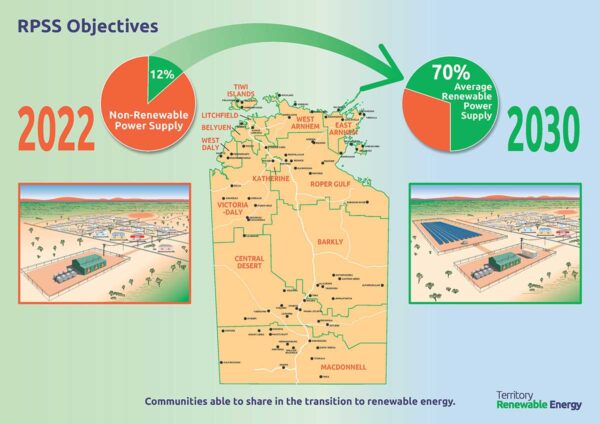
The Wurrumiyanga project is part of the Northern Territory government’s commitment of $10.4 million to date for the Remote Power Systems Strategy (RPSS), which will deliver an average of 70% renewable energy to 72 remote communities provided with electricity through the Indigenous Essential Services program.
Northern Territory Minister for Renewables and Energy Kate Worden said investing in battery technology ensures Territorians will have reliable power supply as more renewables are integrated with the grid.
“We can make these investments because the Territory Government owns our assets like Power and Water, Territory Generation and Jacana,” Worden said.
“Because we own our assets, we can keep the cost of power low. We also subside the power bill of every Territory household by $1,500 a year through the Community Service Obligation.”
In Budget 2024, the Territory invested $3.1 million for preparatory works for the rollout of more solar and batteries in remote communities, including detailed technical analysis.
The Territory has a target of 50 per cent renewable energy by 2030. This includes an average of 70 per cent renewables in all communities supplied by the Indigenous Essential Services program.
Written by




Popular Posts