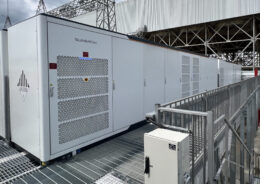
China to conduct comprehensive safety overhaul of battery storage facilities

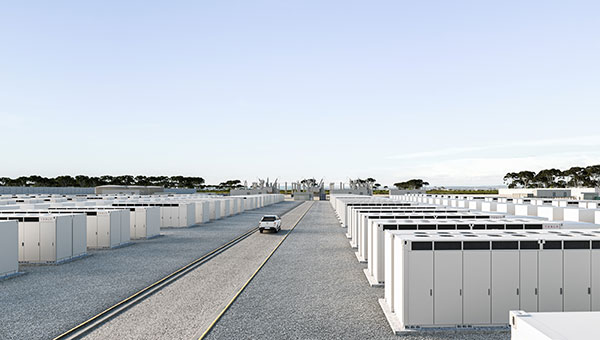
According to a recent report by the 21st Century Business Herald, Chinese regulatory authorities are considering a comprehensive fire safety inspection and upgrades of existing battery energy storage facilities nationwide. This initiative comes in response to a series of recent global safety incidents involving energy storage stations.
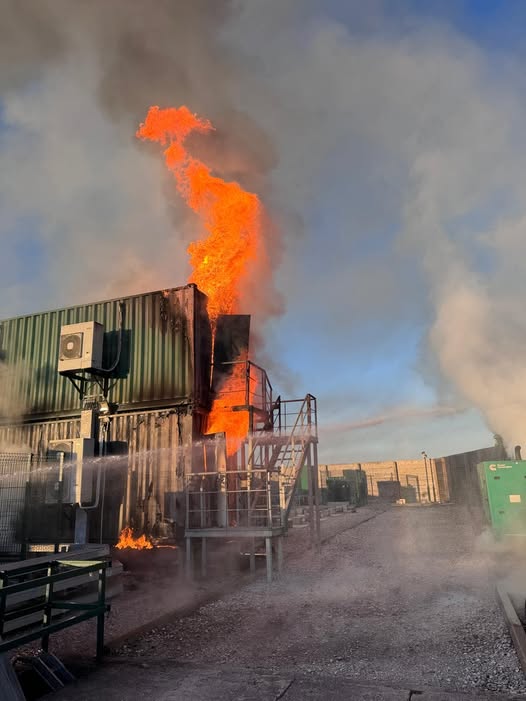
In the first half of 2024 alone, at least six fire incidents involving battery energy storage facilities occurred worldwide, resulting in casualties and property damage. On May 15, a fire at the Gateway Energy Storage Station in Otay Mesa, San Diego, California, burned for 11 days until all combustible materials were exhausted. Further incidents were reported in Germany, France, and the United Kingdom.
In China, a fire at a battery energy storage project in Wenzhou, Zhejiang Province, in early April caused near-total destruction of the construction site. Following this incident, the local government mandated fire safety inspections and rectifications for all battery energy storage facilities, both under construction and operational, within the city’s jurisdiction.
The potential national-level action appears to be an expanded version of the measures taken by the Wenzhou government. According to the 21st Century Business Herald, Chinese regulatory authorities have already consulted with manufacturers, constructors, and operators of energy storage facilities to gather their opinions and suggestions. A nationwide fire safety hazard inspection and upgrade initiative is expected to be implemented soon.
Theoretical research suggests that the primary cause of fires in energy storage facilities is thermal runaway, resulting from electrical faults such as overcharging, over-discharging, or control system failures, or from inadequate heat dissipation in high-temperature environments. This uncontrolled heat buildup can trigger violent reactions in lithium batteries, releasing significant heat and hazardous gases, making such fires particularly challenging to control.
Although the mainstream technology in the energy storage industry has shifted from ternary lithium cells to lithium iron phosphate (LFP) cells, this transition does not guarantee absolute safety. For instance, the investigation into an explosion of a battery storage station in Beijing which took place on April 16, 2021, attributed the incident to an internal short circuit in a LFP battery.
Wenzhou’s safety upgrade guidelines include installing isolation barriers, firewalls, smoke and temperature detectors, and emergency lighting systems in existing facilities. For older storage stations, enhancing fire safety measures will significantly increase non-technical costs, potentially up to CNY 0.2 per Wh ($0.028/Wh).
Industry insiders acknowledge that while new fire safety requirements will raise construction and operational costs for energy storage facilities, higher safety standards will ultimately benefit the long-term development of the electrochemical energy storage industry.
Written by





Popular Posts