Hithium plans its first production facility in North America

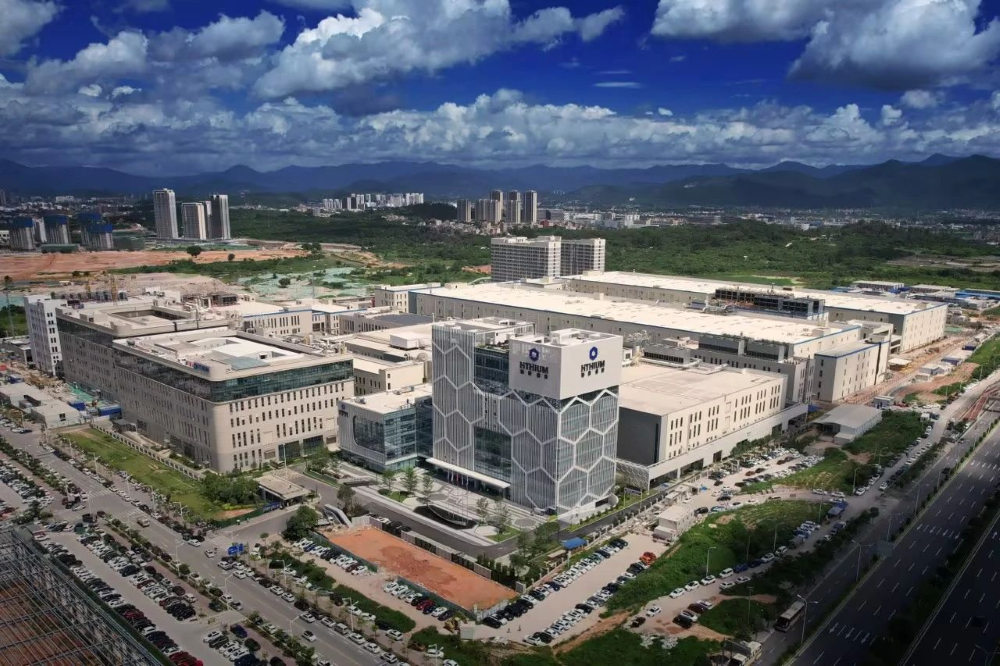
In one of the latest production announcements, Hithium Tech USA Inc., a subsidiary of Chinese BESS speciliast Xiamen Hithium Energy Storage Technology, has revealed plans for a 10 GWh module and system assembly facility in Mesquite, Texas.
The company said it is investing $100 million into the 483,874 square-foot facility, which is anticipated to add 141 manufacturing jobs to the City of Mesquite in five years. As announced last week, Hithium will be the first industrial company in the newly built 20 East Trinity Pointe business park.
“The new facility will accelerate Hithium’s development and production of energy storage system products for the U.S. market while also boosting the Mesquite area’s economic growth and development,” said Jeff Wu, chairman of Hithium.
The announcement follows earlier commitments made of the back of the IRA manufacturing incentives, including a Northvolt plant in Quebec, a FREYR facility in Georgia, a $5.5 billion LG facility in Arizona and more.
In a further sign of seeking independence from other countries for battery materials, the US more than tripled the tariff rate for Chinese lithium-ion batteries for non-EV applications from 7.5% to 25% earlier this year. This increase goes into effect in 2026.
Contrasting rapidly falling battery cell prices, higher tariffs on certain imported battery materials are likely to uncrease costs for US-based BESS integrators by 11% to 16%, depending on how much value the integrators add in the United States, according to clean energy advisory company Clean Energy Associates (CEA).
“The delay to 2026 for the rate change on non-EV batteries gives the market time to adapt and for more non-China LFP facilities to come online to serve U.S. customers,” said CEA.
With the local offices in Fremont, California, and Dallas, Xiamen-headquartered Hithium is also looking to secure its share of the burgeoning US market. To date, the company has shipped more than 20 GWh of BESS products (cells, systems, and others) worldwide.
Unlike the majority of other players in the battery space, Hithium does not make EV batteries and solely specializes in stationary energy storage systems. Its technology is said to boast extremely low degradation.
Namely, its lithium iron phosphate (LFP) cathodes are designed to slowly release lithium ions, and as a result, Hithium’s 300 Ah battery cells display less than 2% of degradation in the first 1000 cycles. This can in turn expand the battery lifespan to more than 12,000 cycles, and if operated properly, that could translate into 20 to 25 years of service.
Since established, the company has quickly amassed funding and expanded production capacities at a fast pace. Outside of Xiamen, Hithium has more locations for production, research, and sales in Shenzhen, Chongqing, Munich, and more. It has also reportedly approached officials and industry managers in Vietnam to potentially invest up to $900 million to build a plant on more than 30 hectares of industrial land.
Written by


Popular Posts