Renewable energy storage not inherently grid-neutral, says German distribution grid operator
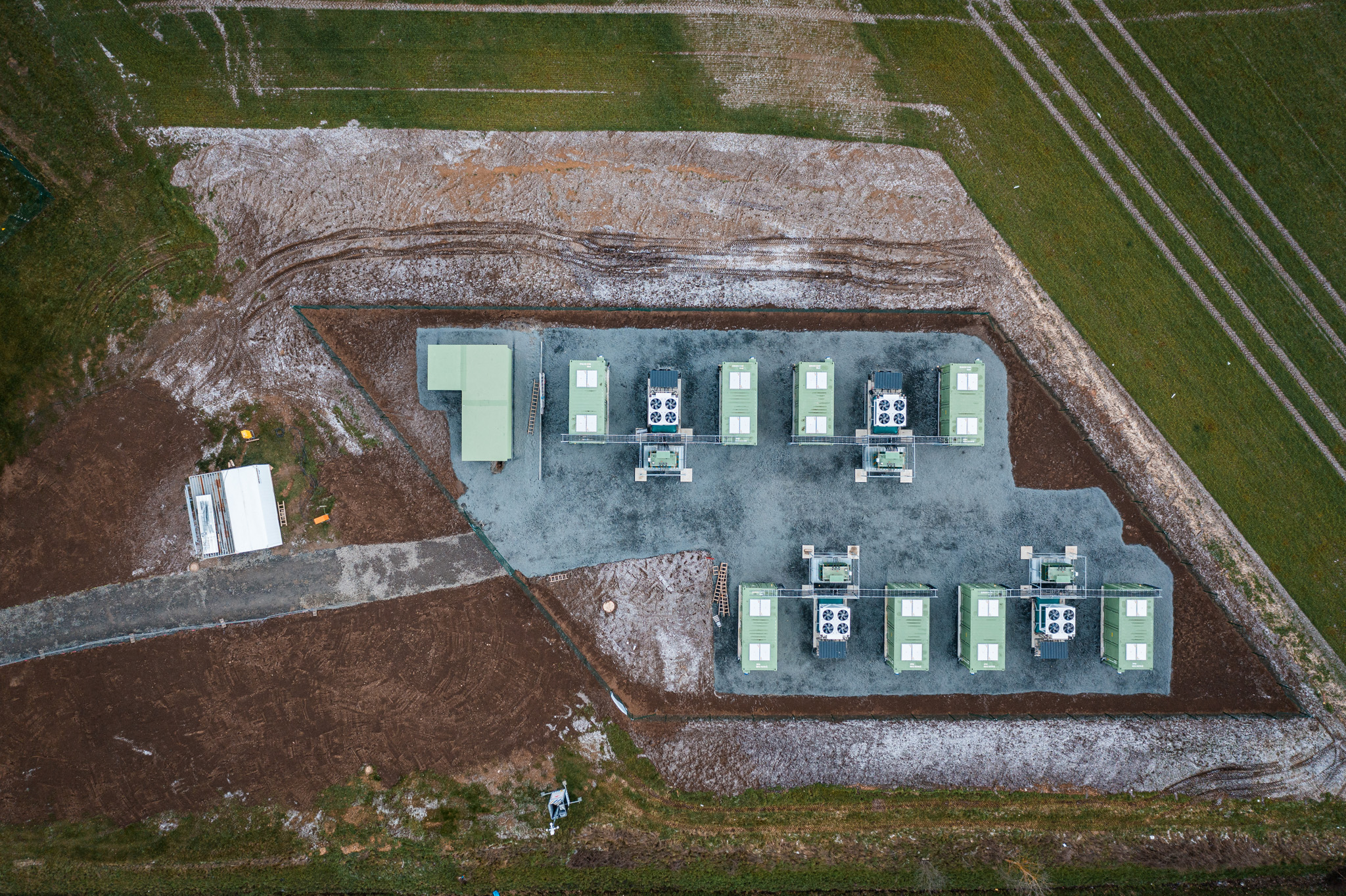
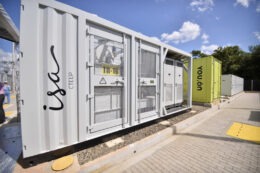
Renewable energy storage systems that exclusively store electricity from on-site solar installations have long been considered grid-neutral or even beneficial by many experts, since they typically shift power injection from high solar generation periods to times with little or no generation. However, project developers report that even storage systems operating this way can face connection challenges.
When contacted by pv magazine Germany, distribution grid operator Edis confirmed that storage systems using this approach “can still create additional regional bottlenecks depending on energy market conditions.” This might occur when significant wind power is already being fed into the regional grid and the storage system shifts photovoltaic output to coincide with these high-wind periods. Market price signals that control storage operations could certainly incentivize such behavior.
“Our goal is to ensure at least grid-neutral performance through appropriate operating requirements for the storage system,” Edis explains. Customers can either accept these limitations or wait for grid infrastructure upgrades.
Adding renewable energy storage to existing photovoltaic installations poses no problems, however. “If a customer wants to add pure renewable energy storage to an existing solar or wind farm without increasing the feed-in capacity, this wouldn’t create connection issues,” the distribution grid operator notes.
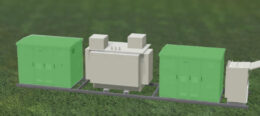
Co-location storage systems can also be implemented by connecting batteries on the DC side of inverters, keeping the connection capacity within the already-approved limits for the photovoltaic installation. Even these systems require approval from Edis, though.
“The distribution grid operator needs to know what’s connected to its network,” the company states. “Plant operators must also provide technical proof that the storage system cannot draw power from the grid, ensuring it qualifies as a renewable energy installation under EEG regulations and maintains eligibility for feed-in support.”
Edis reports that applications for large renewable energy storage systems at medium and high voltage levels remain extremely rare. Customers consistently cite poor economic viability as the main barrier. The only projects currently moving forward are those supported by innovation tender programs.
The economic picture isn’t universally bleak, though. Marketing company Energy2Markets presented a more optimistic view of renewable energy storage economics in a recent pv magazine Germany webinar. The company outlined an approach where revenues come not only from time-shifted feed-in but also from asset-backed trading on intraday markets. This trading strategy operates without grid consumption and could generate nearly €100,000 per megawatt of installed storage capacity annually, according to Energy2Markets. With DC-coupled storage systems having lower investment costs than AC-coupled alternatives, this approach could create a viable business model.
Written by





Popular Posts