University of Münster develops recycling process for dry-processed lithium-ion batteries

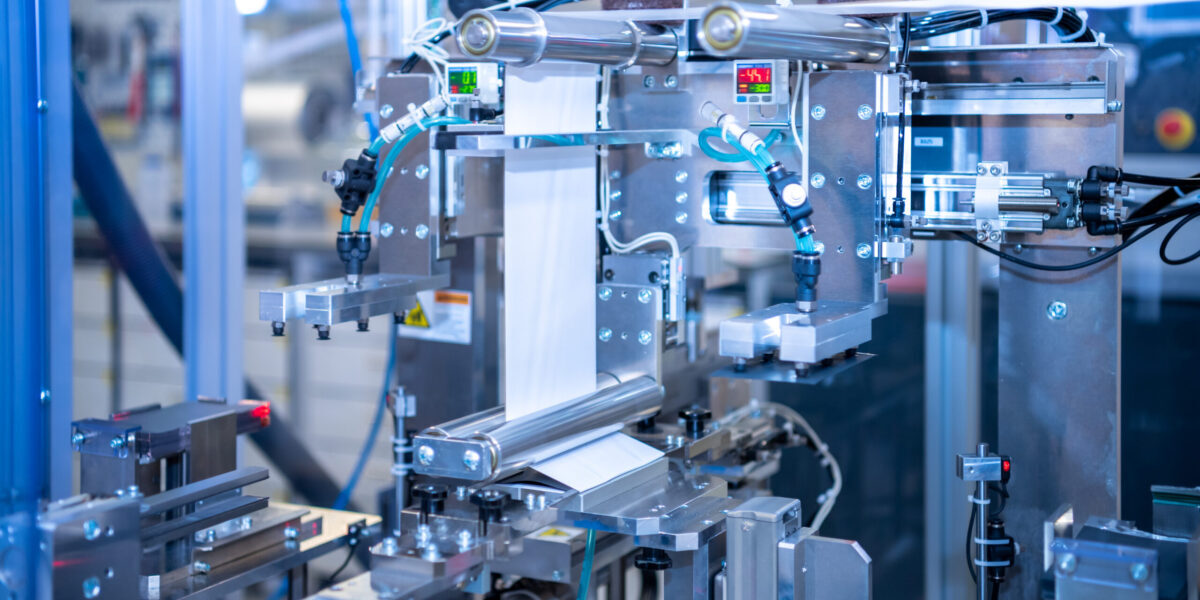
A new process for recycling production scrap from the dry manufacturing of lithium-ion batteries has been created at the MEET Battery Research Center of the University of Münster in Germany.
In conventional battery production, active cathode materials are mixed into a slurry with solvents and coated onto an aluminum current collector. This process uses the solvent N-methyl-2-pyrrolidone (NMP) and polyvinylidene fluoride (PVdF) as a binder. Afterwards, the coated electrode must undergo an energy-intensive drying process, and the evaporated solvent must be recovered via an elaborate process.
The dry process, in contrast, uses polytetrafluoroethylene (PTFE) as a binder, eliminating the need for solvents. This saves drying steps and reduces costs. However, this method inherently generates more waste. This is partly because scaling up a new technology naturally produces more scrap, and also because the dry process, in particular, creates uneven edges after the cathode layer is smoothed, which must be trimmed off. Since the cathode layer is the most expensive component of a battery, this trim scrap must be recycled as cost-effectively as possible.
The newly developed recycling process relies on a dry, mechanical treatment. “The recycling can be successfully implemented and scaled through the dry-mechanical use of mills,” explains Maike Michelle Gnutzmann, a doctoral candidate at MEET and the BACCARA international research school. In the mill, the cathode composite is gently detached from the current collector and granulated at a low speed to avoid damaging the structure of the active material.
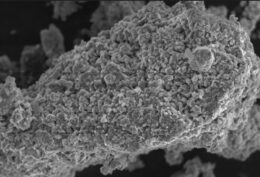
The result is a powder containing the active material, PTFE binder, and conductive carbon in their original forms. It can be reused for electrode coating without any further processing. The method completely avoids the use of high temperatures, solvents, or toxic chemicals. A life-cycle cost analysis conducted as part of the study confirms the economic viability of the approach.
The research findings were published in the scientific journal Advanced Energy Materials under the title “A Dry-Mechanical Approach for Scrap Recycling of Dry-Processed Lithium-Ion Battery Cathodes.”
From pv magazine Germany.
Written by



Popular Posts