Wärtsilä battery will enable Shetlands power station to enter ‘standby’ mode, in favor of renewables

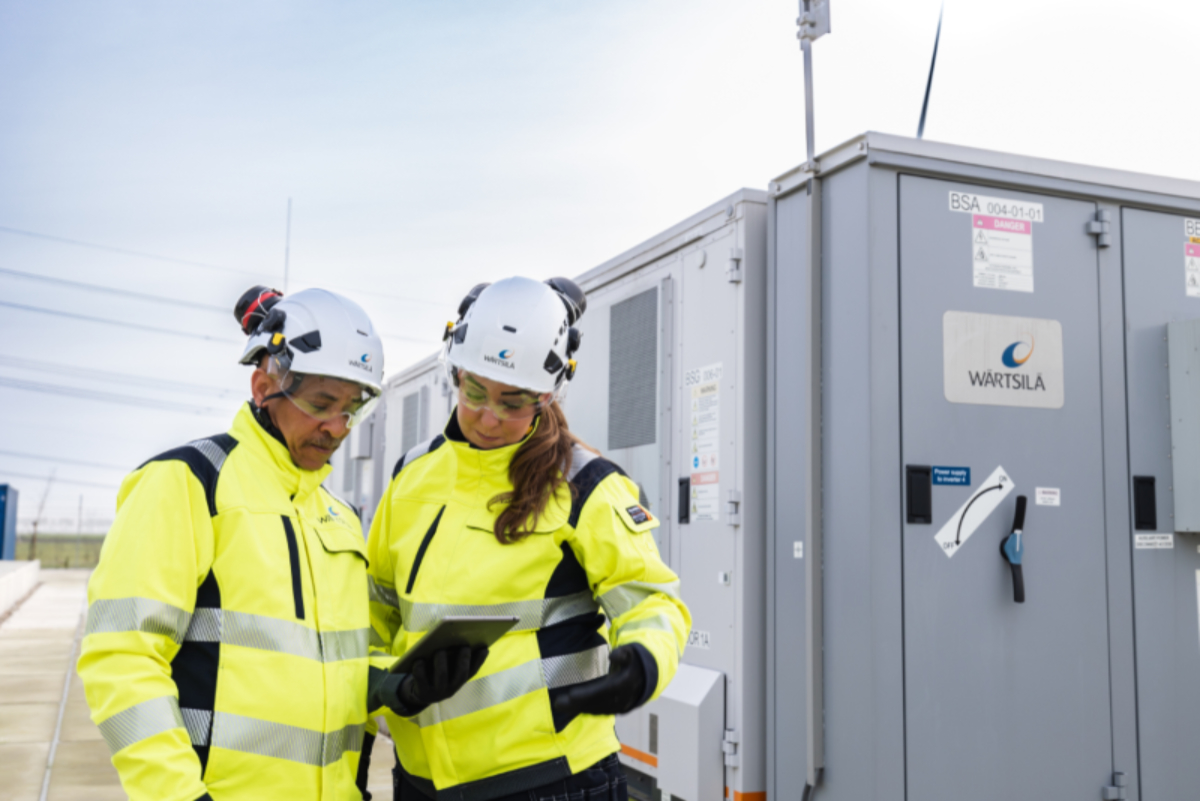
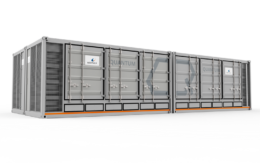
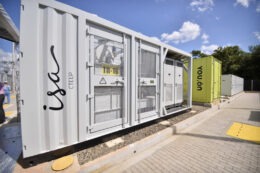
Finnish energy and marine engineer Wärtsilä will supply the 68 MW BESS for a grid-strengthening project which will keep the lights on in Scotland’s Shetland Isles in the event of disruption to mainland electricity supply.
The Shetland Standby Project being developed by London-based Zenobē Energy will enable the Lerwick Power Station to go into standby mode so locally generated wind power can be more prevalent in the islands’ energy mix.
The project, due online next year, will also maintain electricity supply in the event of a blackout or during planned maintenance to the electricity transmission line to the Scottish mainland, by providing distribution fault ride-through capability.
With the BESS’ operations to be governed by Wärtsilä’s GEMS digital energy platform, the project will be backed by a 15-year long-term service agreement and its 68 MW power rating is more than the Shetland Islands’ local load.
“As European grids grow increasingly interconnected and interdependent, projects like this signal the importance of energy storage for grid stability,” said Tamara De Gruyter, president of Wärtsilä Energy Storage and executive vice president for Wärtsilä. “With the advanced and proven capabilities of the GEMS platform, Wärtsilä is helping future-proof the grid with battery systems that can react in microseconds to any type of system disturbance, to maintain security of supply for Shetland.”
The Finnish company said The Shetland Standby Project will be its third battery collaboration with Zenobē, with the previous two having also been in Scotland.
The 200 MW/400 MWh Blackhillock site went live in March and will be the first in the world to supply “synthetic inertia” services to the grid, according to Wärtsilä. Inertia is typically supplied by spinning turbines in conventional power stations and represents the time taken by such turbines to come to halt, a period which buys time for grid operators to bring alternative power sources online. Synthetic inertia refers to the ability of batteries to react to such supply disturbances within milliseconds.
Wärtsilä and Zenobē are also partnering on a 300 MW/600 MWh BESS which is under development in Kilmarnock.
Written by


Popular Posts