Chile’s battery output leaps to 315 GWh in first eight months of 2025

Battery energy storage systems (BESS) accounted for 315 GWh of Chile’s total demand in the first eight months of 2025 between January through to August. This is a substantial increase for the country, which delivered 0.5 GWh from operational BESS assets in 2022, from early-stage battery projects established before the 2020s in Angamos, Andes, and Arica.
The trend has been steadily positive, with 6.9 GWh in 2023 and 31 GWh in 2024, according to a report from Broker & Trader Energy Chile, and the jump to 315 GWh before the end of the year marks a huge change.
Data from the Chilean Association of Renewable Energy and Storage (Acera) said that Chile had reached 18,759 MW of renewable energy, with 11,276 MW of solar energy and 4,592 MWh of total storage by August 2025.
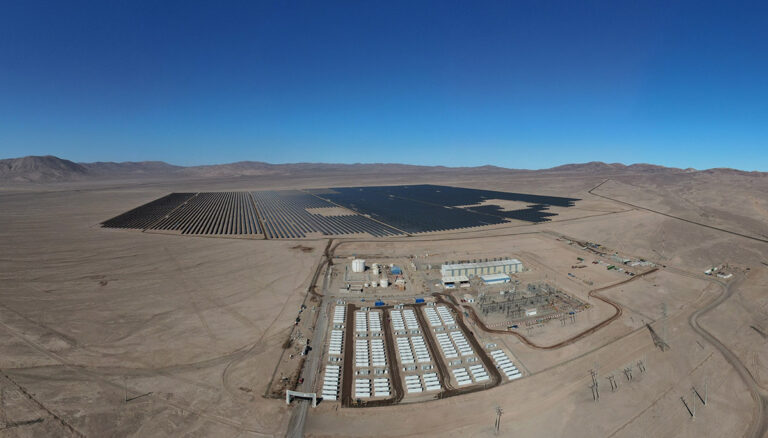
The surge in BESS output reflects Chile’s rapid deployment of storage assets, many co-located with solar photovoltaic plants in Chile’s sprawling and well-suited desert regions. Some 1,911 GWh of excess renewable electricity was curtailed in the first five months of 2024 in Chile.
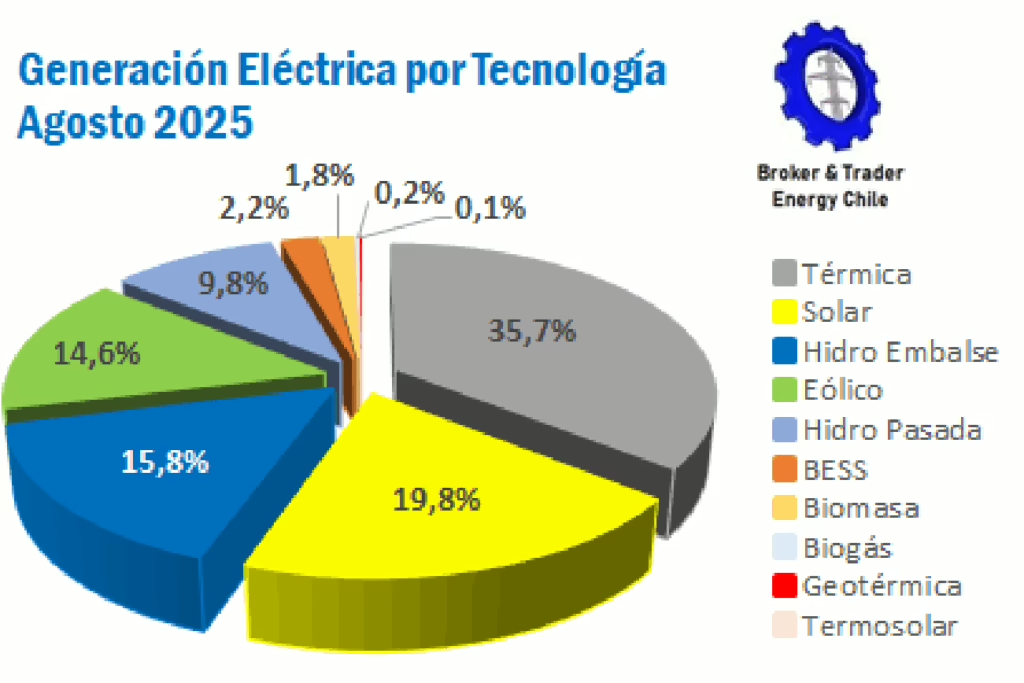
When it comes to total energy, BESS still accounts for a small fraction of national generation – for the single month of August 2025, BESS generation was 2.2% of the mix:
But a second chart published by Broker & Trader Energy Chile show batteries contributing primarily during morning and evening peak hours, as demand spikes, also in August:
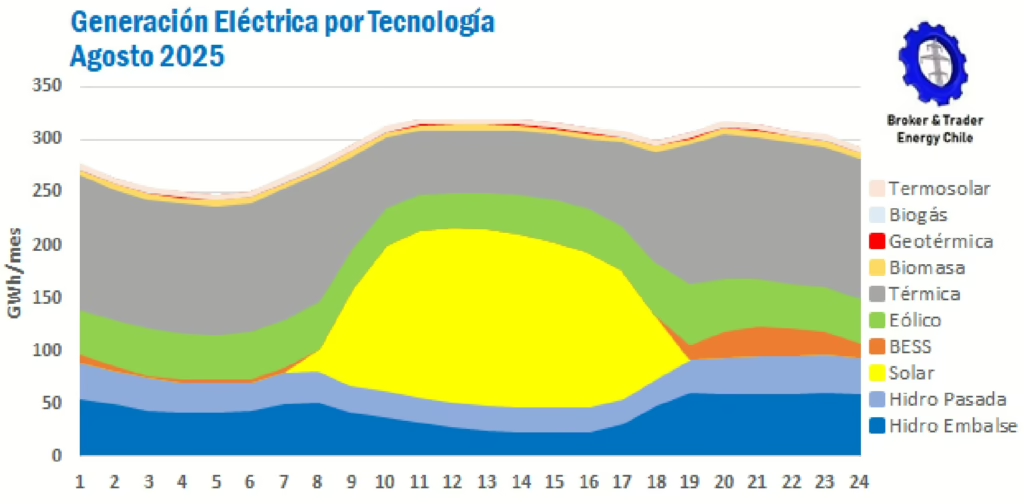
Rather than acting as bulk generators, Chile’s batteries are used to smooth renewable variability rather than replace conventional sources, mitigate curtailment, and support grid reliability. This aligns with the Chilean government’s broader push to “decarbonize the night.”
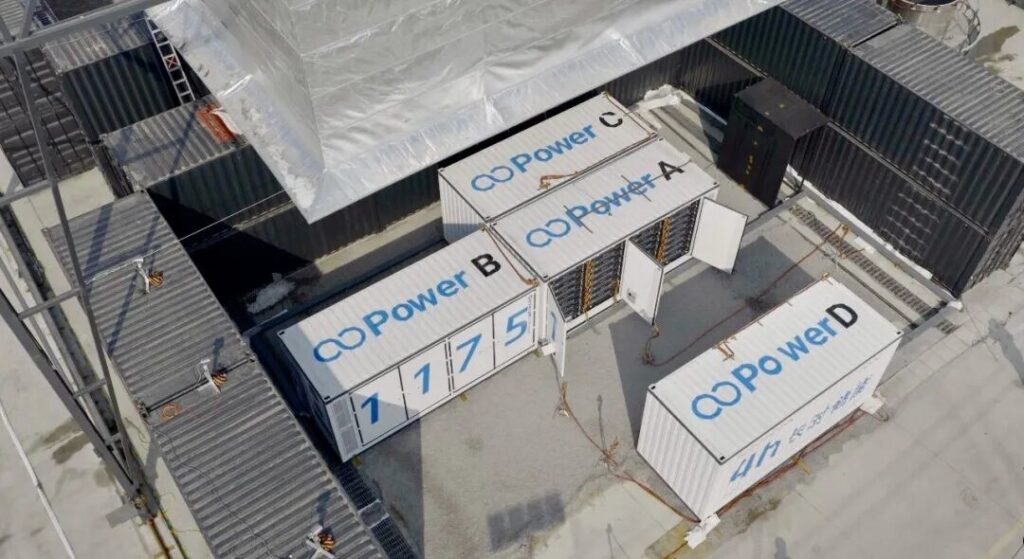
Chile reliably adds significant BESS projects as storage aims to support copious solar assets. Of the major BESS projects operational in Chile, they include the Quillagua I & II at 1.2 GWh capacity, while a significant new project is Pampino at 1.02 GWh; recently approved, and with construction expected to begin in June 2028.
Written by






Popular Posts