Substation connection for stage one of Australia’s Supernode battery

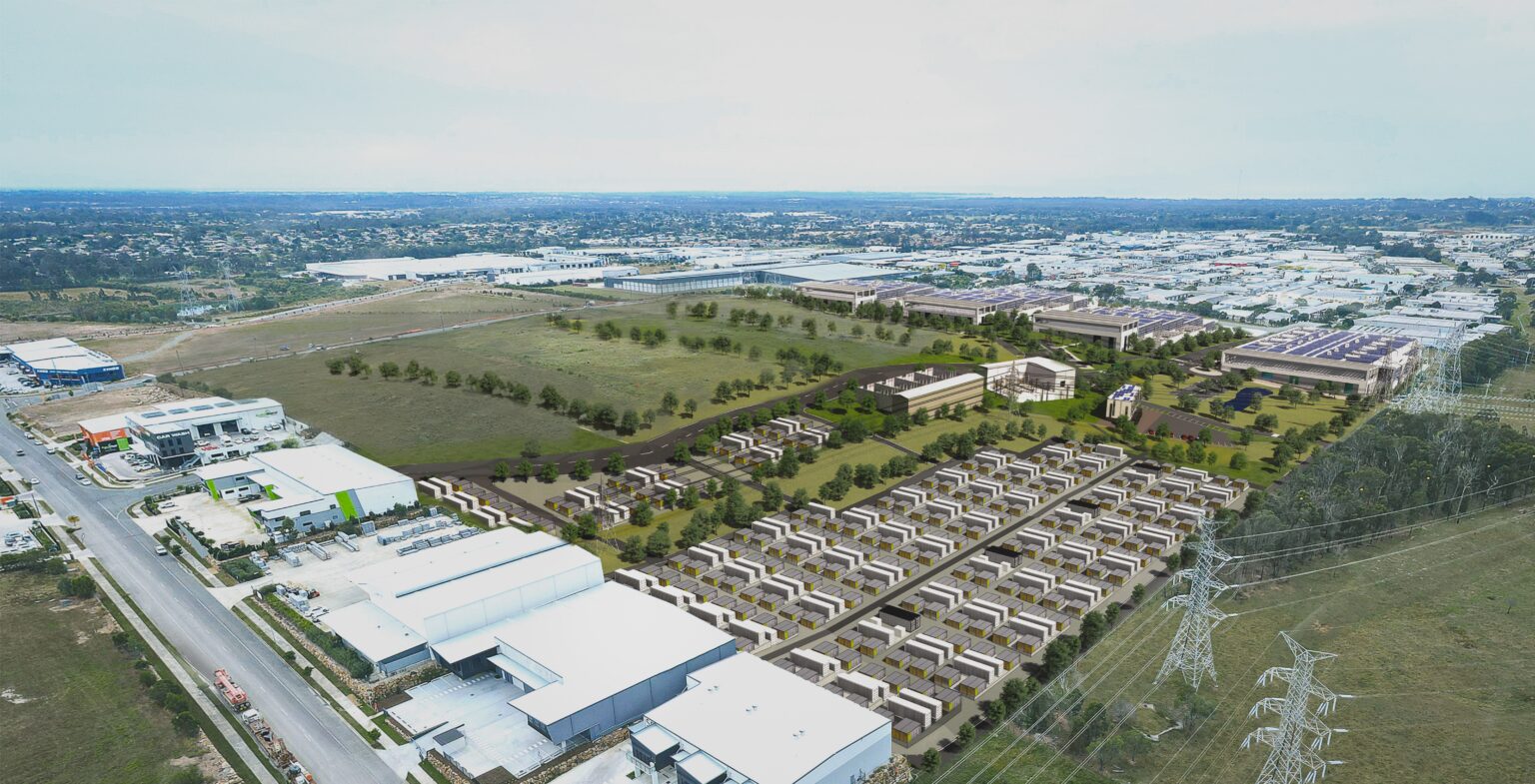
Quinbrook Infrastructure Partners has connected the stage one substation of its Brendale-based Supernode BESS to Queensland’s transmission network.
Located 23 km north of Brisbane, back-feed energization was achieved via a dedicated connection to state-owned transmission company Powerlink Queensland’s South Pine substation. That site is the central node of the Queensland electricity transmission network, through which 80% of the state’s total electricity flows daily, and is adjacent to the Quinbrook’s Supernode Data Center and BESS.

Quinbrook CEO and Regional Leader Brian Restall said the company will continue to work closely with Powerlink across all future stages of the Supernode project.
“We are also pleased to progress the initial, 260 MW stage in line with our delivery plans set with Origin Energy, our offtake customer for stages one and two,” Restall said.
One of the largest BESS under construction in Australia, the first three phases of the four-stage Supernode will have an installed capacity of 780 MW/3,074 MWh. The BESS has long-term offtake agreements with Origin for stages one and two, for a combined BESS nameplate capacity of 520 MW/1,858 MWh, and with Stanwell Corporation for stage three, for a further 260 MW/1,216 MWh.
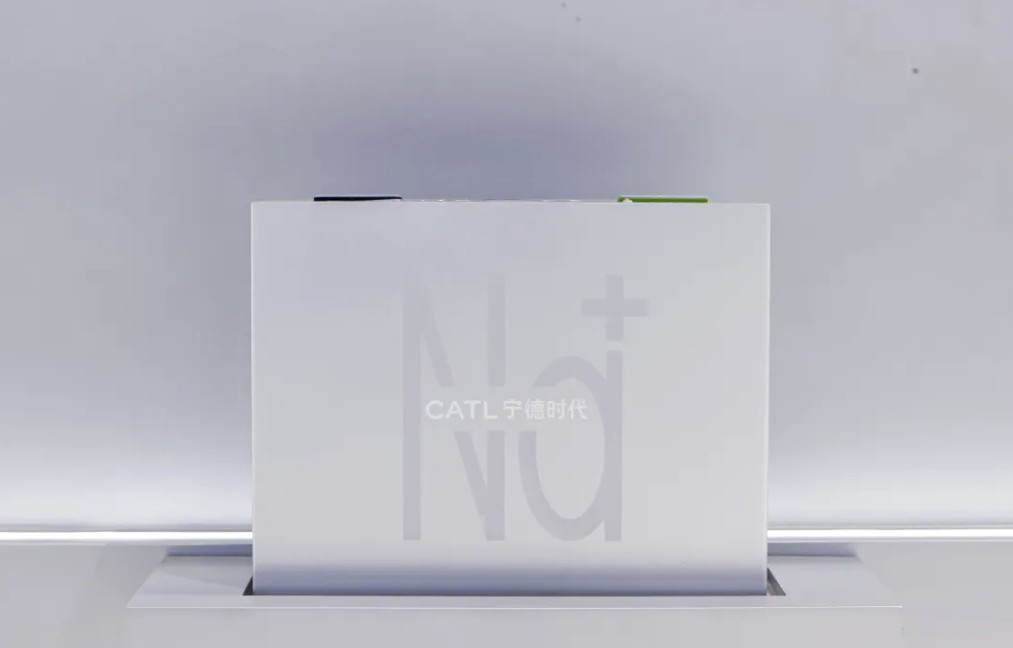
A further, stage four expansion is also in advanced development. That will host Quinbrook’s first eight-hour battery storage solution, developed in partnership with Chinese manufacturer Contemporary Amperex Technology Co. Limited.
Quinbrook Senior Director James Allen said the Supernode project is a game-changer for Queensland.
“It is not just about powering the grid; it marks a significant leap forward in firming and renewable energy integration, which represents the future of energy storage and grid stability,” Allen said.
The project is on track to meet an initial commercial operation target date of 2025 and full operation by 2026.
From pv magazine Australia.
Written by