China imposes new export controls on lithium ion battery technology


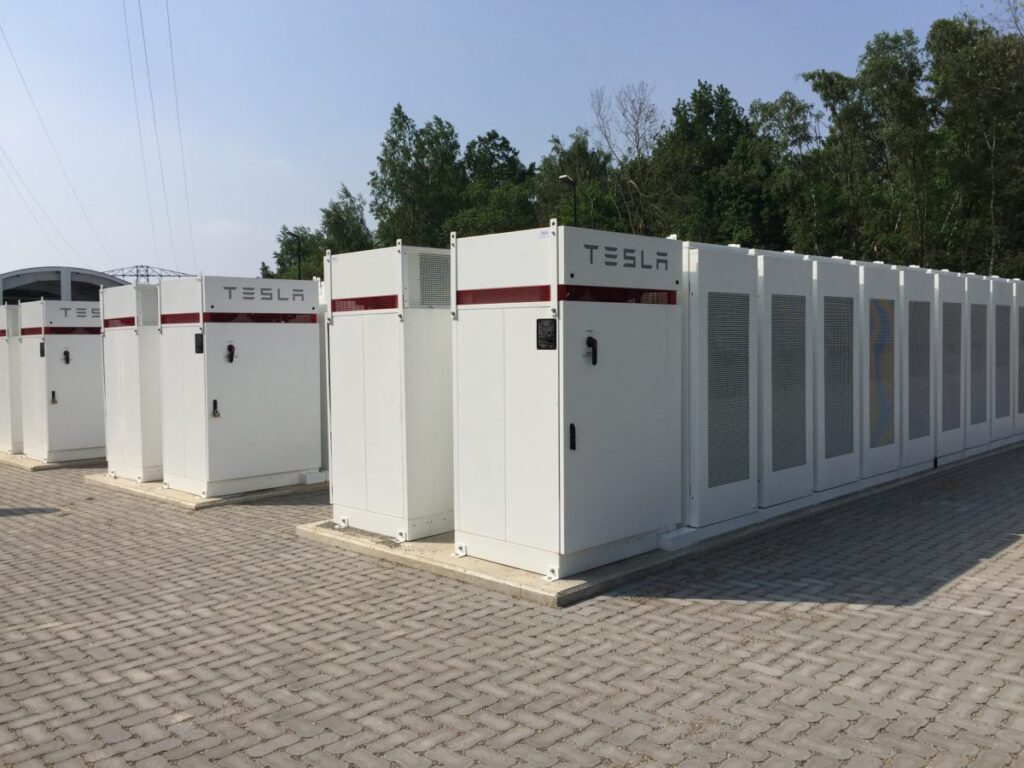
China has announced new export control measures targeting a wide range of lithium battery technologies, materials, and manufacturing equipment.
The decision, approved by the State Council, will take effect on November 8, 2025, and is intended to safeguard national security, meet international non-proliferation obligations, and regulate the export of critical dual-use items (goods, software and technology that can be used for both civilian and military applications), the Chinese MInistry of Commece announced on its website on October 9.
The controls cover three major categories: high-performance lithium-ion batteries, cathode materials and precursors, and graphite-based anode materials.
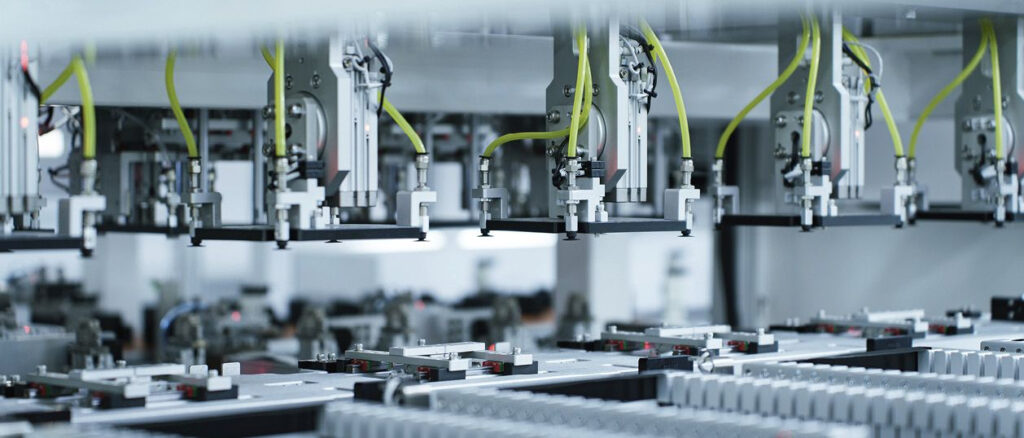
Specifically, exports of lithium-ion battery cells or packs with a weight energy density of 300 Wh/kg or higher will now require a license. In addition, specialized manufacturing equipment such as winding machines, lamination machines, liquid injection machines, and capacity cabinets are also listed as controlled items. Technologies related to the production of these batteries fall under the same restrictions.
The second group of newly controlled items includes key cathode materials, such as high-density lithium iron phosphate (LFP), nickel-cobalt-manganese hydroxides, and nickel-cobalt-aluminum hydroxides, as well as lithium-rich manganese-based cathodes. Production equipment for these materials, including roller kilns, mixers, and grinding mills, is also subject to the new rules.
The third category relates to graphite anode materials, which are widely used in lithium-ion battery manufacturing. Both artificial graphite and blended graphite anodes are included, along with specialized production technologies like granulation, graphitization, and coating processes. Equipment such as CVD rotary kilns, spray dryers, and box furnaces are also covered.
Under the new rules, exporters of any listed items must apply for an export license from the Ministry of Commerce. All declarations must clearly state whether the items are controlled dual-use items or not.
For controlled items, exporters are required to mark “dual-use item” on the customs declaration and provide the relevant control code. For items not subject to control but with similar technical specifications, exporters must mark “not controlled item” and submit supporting documentation detailing technical parameters. Chinese customs authorities will have the power to delay or halt shipments if any discrepancies or uncertainties arise regarding the nature of the exported goods.
This latest move builds on China’s earlier export controls on natural graphite, lithium iron phosphate (LFP) cathode active material (CAM), and lithium processing technologies. Following the introduction of graphite export restrictions in October 2023, Benchmark Mineral Intelligence reported a notable spike in shipments ahead of the rule change, followed by a sharp slowdown that lasted two to three months.
During that period, licensing decisions appeared to follow a case-by-case approach, despite official statements that all countries would be treated equally. For example, exports to India and the United States experienced delays of two to three months, while shipments to South Korea were approved more quickly.
“A similar pattern is expected following the latest round of controls, although the scope of the impact will depend on how stringent the new licensing procedures are compared with those for graphite,” according to Benchmark.
While framed in terms of national security and non-proliferation, the new export control measures are likely to have significant global ripple effects – particularly in regions reliant on Chinese battery exports. Analysts suggest the timing and scope of the new controls may also be a strategic response to tightening export restrictions imposed by the US government on Chinese tech and energy firms.
Tensions with the US reignited Friday after the US President Donald Trump threatened to impose an additional 100% tariff on Chinese goods and export controls on “critical” software beginning Nov. 1. These measures would come on top of the existing 30% tariff already in place.
The escalation comes as Trump and Chinese President Xi Jinping were expected to meet at the end of October in South Korea. However, Trump has since cast doubt on the meeting, posting on Truth Social last week that there now “seems to be no reason” for it.
In a follow-up post on Sunday, Trump appeared to temper his tone, writing: “Don’t worry about China, it will all be fine! Highly respected President Xi just had a bad moment. He doesn’t want Depression for his country, and neither do I. The U.S.A. wants to help China, not hurt it!!!”
Written by