LatAm and the Caribbean will need more than 46 GW of energy storage by 2035

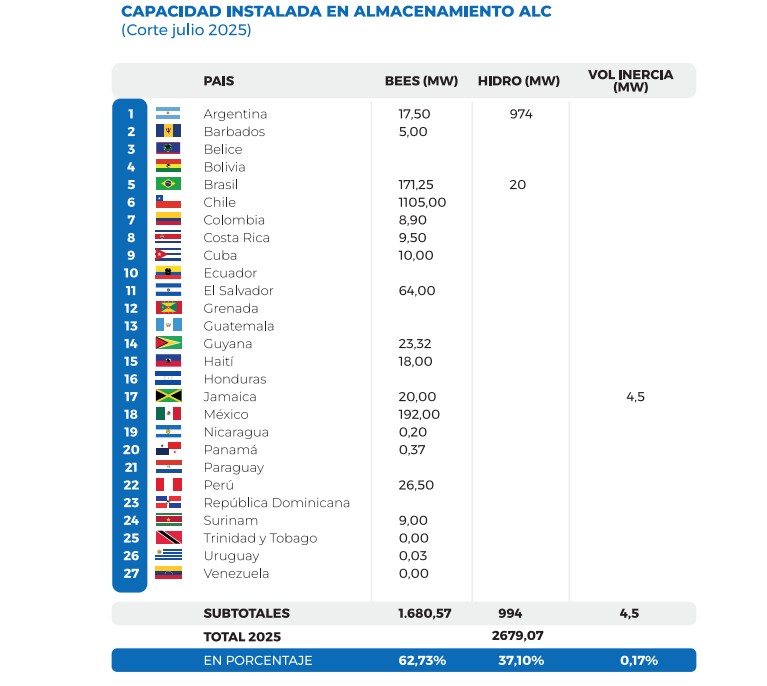
The Latin American Energy Organization (OLADE) has published the White Paper on Energy Storage in Latin America and the Caribbean , analyzing the current state, challenges and strategic recommendations for this sector.
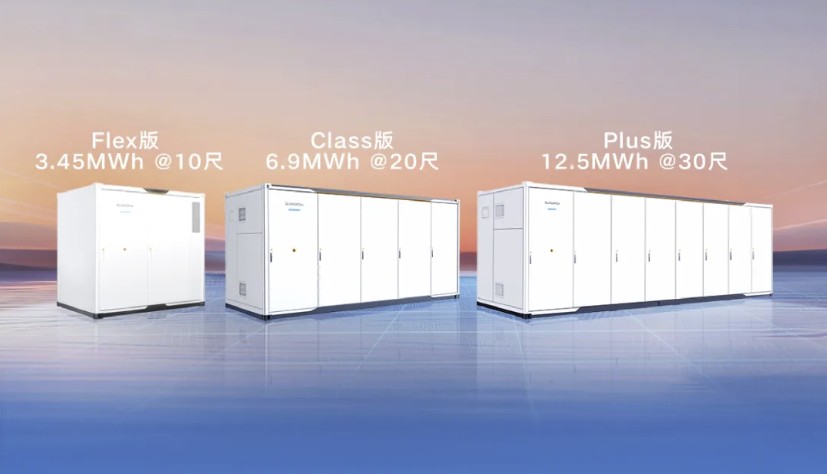
The document estimates that, to support the integration of renewable energy and enhance the stability of power systems, the region will need to incorporate around 24 GW of energy storage capacity by 2030 and 46 GW by 2035. This includes a range of technologies such as battery energy storage systems (BESS), pumped hydro, thermal, and chemical storage. Meeting these targets would require investments of approximately $24 billion by 2030 and $46 billion by 2035. Currently, there are about 9 GW of projects either in operation, under construction, or in the planning stages.
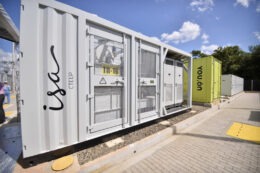
The study indicates that most existing energy storage installations are electrochemical systems, primarily lithium-ion batteries, followed by pumped hydro projects and industrial thermal backup solutions. Currently, the region’s operational storage capacity totals only 2.5 GW, of which 1.5 GW corresponds to battery systems.
In the medium term, growth is expected in flow and sodium-ion battery technologies, along with the expansion of green hydrogen and residential and commercial distributed storage. OLADE estimates that by 2035, more than 30% of residential solar systems in the region will be paired with batteries.
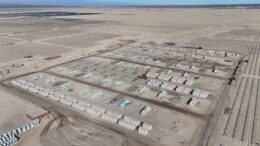
The document highlights that Chile and Brazil are leading the way in adopting large-scale projects, while Mexico, Argentina, and the Dominican Republic are advancing regulatory frameworks that recognize energy storage as an asset of the electricity system. Countries such as Honduras and Colombia have launched specific tenders to integrate BESS systems into distribution networks.
Among the challenges identified, OLADE highlights the lack of clear legal definitions regarding the role of energy storage in electricity markets, the absence of differentiated tariff structures, and the need for updated interconnection rules. The organization recommends incorporating energy storage targets into national energy plans and establishing dedicated auctions for hybrid solar PV and battery energy storage (PV + BESS) projects.
In financial terms, the report notes that international climate funds and public–private partnerships are currently the main sources of support for energy storage projects. However, several barriers remain, including a lack of innovative financial instruments, limited participation by local banks, and insufficient regulatory stability. To address these challenges, OLADE recommends promoting green bonds, performance guarantees, and sovereign wealth funds dedicated to energy storage development.
The study concludes that energy storage is essential to increase the reliability and flexibility of electricity grids in Latin America and the Caribbean, and underlines the need for coordinated policies to attract investment and accelerate its deployment at all levels of generation and consumption.
From pv magazine LatAm
Written by


Popular Posts