ESS–EV battery supply chain bifurcates as US manufacturers pivot toward storage

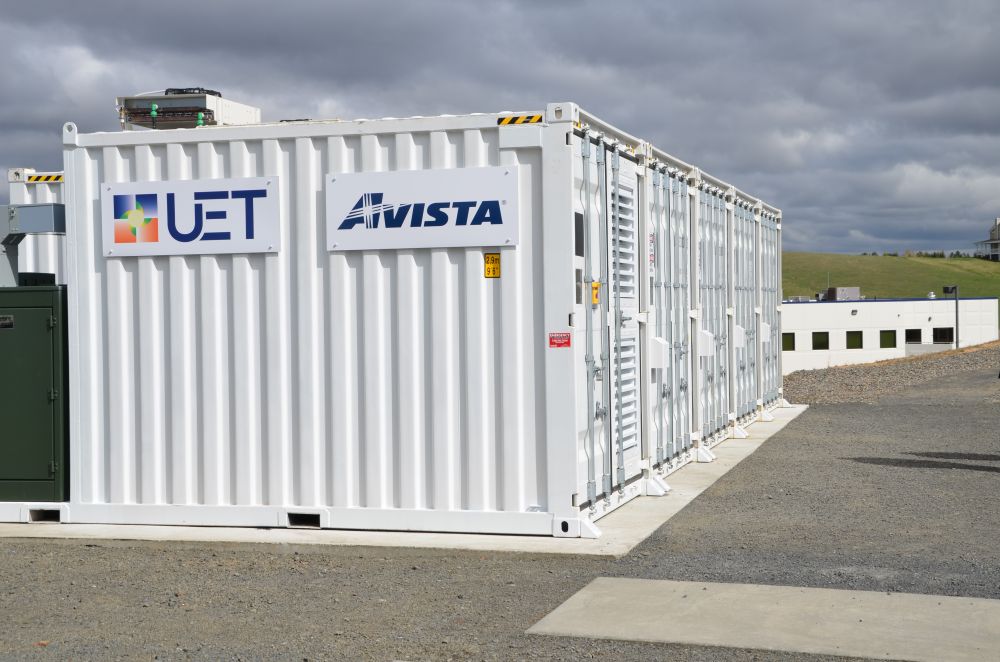
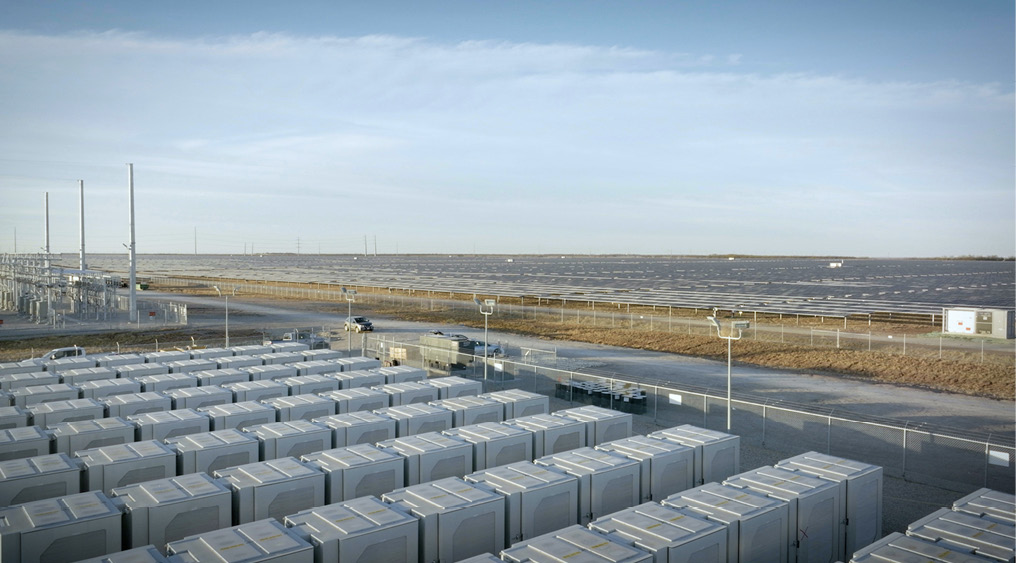
While the long-term impacts of the elimination of the United States’ federal electric vehicle tax credit remain unknown, it’s clear that battery manufacturers in the country are starting to shift their approach toward grid-scale storage rather than EV batteries. LG Energy Solution, for instance, plans to expand its ESS facility in Michigan, and OEMs like SK and Samsung are entering the US market as EV demand softens.
Still, for Ravi Manghani, the senior director of strategic sourcing at Anza Renewables, it’s more of a step-on-the-acceleration moment than a sudden change in strategy.
“We’ve seen the early signs of divergence take shape over the past several years, largely due to the way the Inflation Reduction Act structured its incentives,” he told ESS News, pointing out that the $7,500 federal EV credit required both the battery and its upstream materials to come from the US or allied countries with the storage investment tax credit (ITC) being tied mainly to domestic content. That’s part of what drove EV-focused battery OEMs to localize their US manufacturing footprints first.
“The pace of change has accelerated,” he added. “The slowdown in EV growth, the rise of data-center power demand driven by AI and long lead times for new gas-based generation are pushing storage to the forefront much faster than anticipated.”
It’s one of the first real structural divergences between EV and ESS supply chains and the downstream impacts are already being felt. Safety and geopolitics are now the biggest differentiators between chemistries, with permitting considerations and complex Foreign Entity of Concern (FEOC) rules also playing significant roles in a company’s procurement decision.
“For developers and procurement teams, that means more fragmented supplier relationships, less price transparency and shorter negotiating cycles,” Manghani said, at least in the near term. Now, the contracting process involves weighing reliability and compliance “as heavily” as price. “It’s becoming harder to compare bids on an apples-to-apples basis.”
Still, as new regional, purpose-built supply chains mature over time, Manghani expects that balance to stabilize, given that globally, “the EV market will continue to anchor most battery innovation…even if US EV growth moderates.”
Stabilization doesn’t mean reconvergence. Instead, the ESS/EV separation will likely grow more pronounced in coming years. Under FEOC rules, batteries produced or majority-owned by Chinese entities will not be able to qualify for the full ITC. This will likely push developers to make earlier, more strategic decisions about both chemistry and supplier ownership.
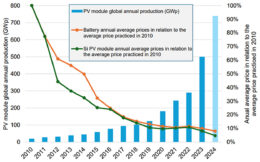
The decoupling also carries implications for innovation. Historically, shared scale between ESS and EV manufacturing was a large reason why lithium-ion battery costs fell rapidly. While Manghani doesn’t expect that dynamic to disappear entirely, it could slow down.
Written by




Popular Posts