India mandates 20% local content for battery storage projects

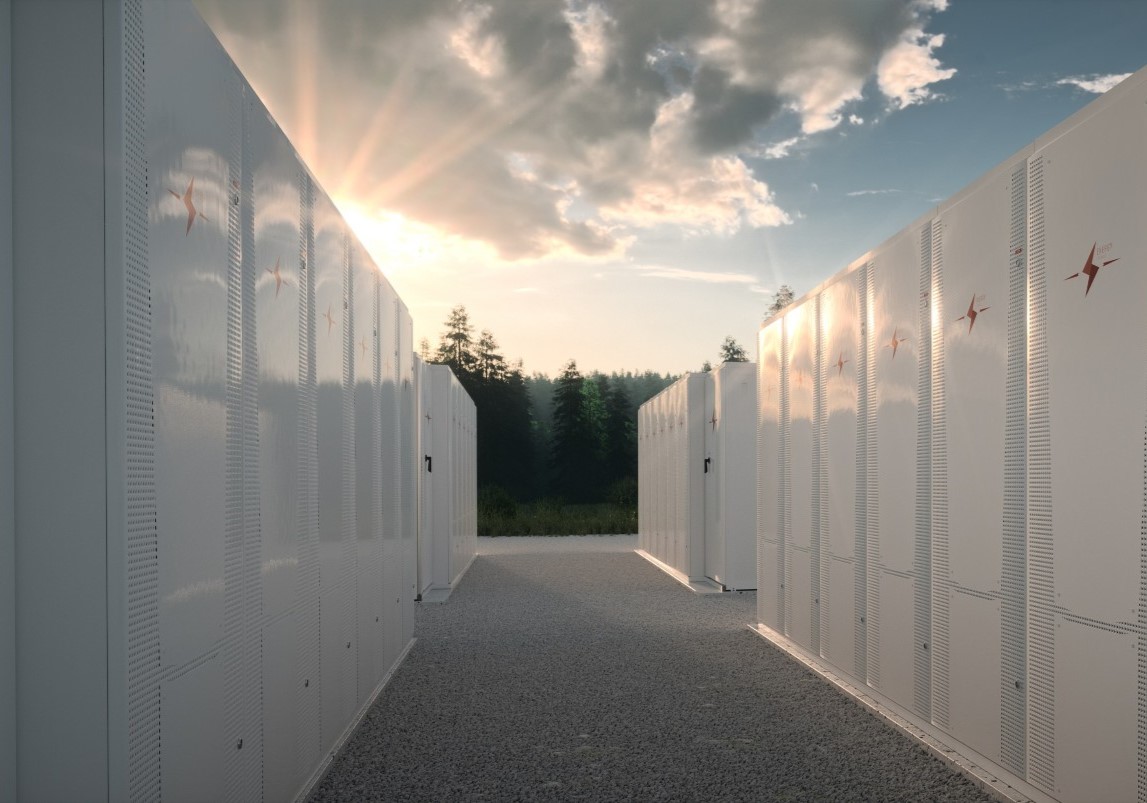
The Indian Ministry of Power has issued a directive requiring a minimum 20% local content in all battery energy storage system (BESS) projects implemented under the Viability Gap Funding (VGF) Scheme, supported through the Power System Development Fund (PSDF).
The order, addressed to 15 beneficiary states and India’s state‑owned power utility NTPC, responds to requests from several states seeking exemptions from the Public Procurement (Preference to Make in India) (PPP-MII) Order for BESS procurement. After reviewing these requests, the Ministry clarified the local content requirements and established a uniform threshold for all VGF-supported BESS projects.
States and procuring agencies must ensure that at least 20% of the total project cost qualifies as local content. This includes indigenously developed energy management system (EMS) software, already mandated under the VGF Guidelines amendment dated August 4, 2025.
While several power sector items are reserved exclusively for Class-I local suppliers under PPP-MII, BESS is not yet on that list. Both Class-I and Class-II local suppliers can participate in BESS tenders but must comply with the 20% domestic value-addition requirement for VGF-supported projects.
For tenders already issued without local content clauses, states may obtain bidder undertakings confirming compliance with the 20% requirement. This ensures procurement continuity while aligning with national manufacturing priorities.
The Ministry’s directive is a strategic effort to build a robust domestic supply chain for advanced energy storage technologies. By mandating indigenous EMS software and baseline local content, the policy aims to encourage domestic innovation, support emerging Indian manufacturers, reduce import dependence, and align BESS deployment with the “Make in India” vision.
The 20% local content requirement is also expected to foster collaboration between global OEMs and Indian technology partners, expand domestic EMS development capabilities, create opportunities for Indian component suppliers and system integrators, and enhance transparency and standardisation in BESS procurement.
To support the expansion of battery storage toward its 500 GW of non-fossil energy target, the Indian Ministry of Power is administering multiple support schemes. The first VGF scheme aims to deploy 13,220 MWh of BESS capacity with a budgetary support of ₹3,760 crore ($415 million). In June 2025, the Ministry launched a second VGF scheme for 30 GWh of BESS capacity, backed by ₹5,400 crore from the Power System Development Fund (PSDF).
Under this expanded scheme, 25 GWh of capacity is allocated to 15 states, and 5 GWh to NTPC, helping integrate renewables and improve grid balancing.
Written by
Comments




Popular Posts