Poland downgrades BESS availability, plummets total awards in capacity market auction


Poland’s transmission system operator PSE has released the preliminary results of the capacity market auction for the 2030 delivery year, with a 6,887.64 MW total of capacity market (CM) obligations starting in 2030.
The full list of projects, include battery energy storage systems (BESS), new gas projects, and demand response units. The auction shows a clearing price of 465.02 PLN/kW/year ($129.36/kW/yr). That figure grew from PLN 223.77/kW/year in 2024, and comes due to a lower uptake of BESS.
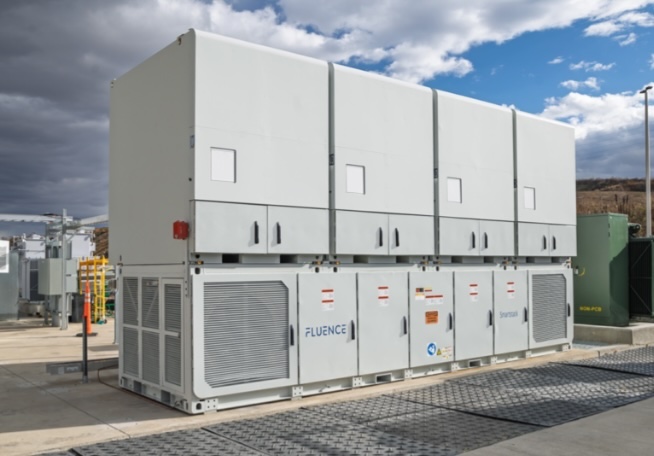
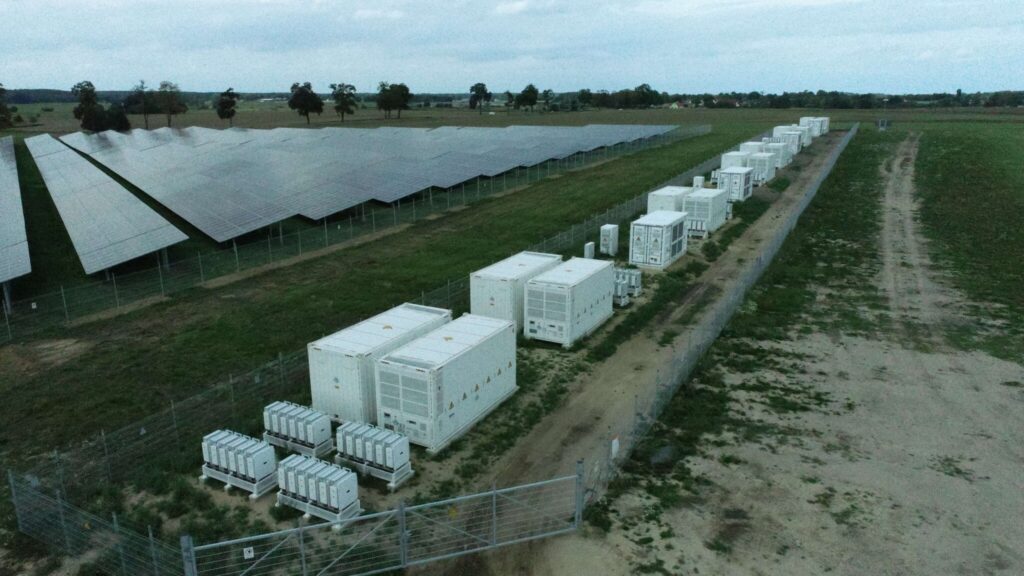
A total of approximately 685 MW of CM obligations were awarded to BESS projects, with winners including R.Power, Nala Renewables, RWE and more.
Where the results become more interesting, though, is through an analysis of the 14 pages of documentation that announced the decision and relevant breakdowns of how decisions were made.
For example, the 685 MW awarded is a much lower obligation figure than in past years, and yet the actual physical capacity to be built is much higher, and can be estimated at roughly 5.1 GW. This discrepancy in obligation versus overall capacity is due to an aggressive derating factor applied to battery technology this year.
The “Correction Availability Factor” (KWD) for BESS was slashed to 13.39% for this auction, a huge crash from the ~60% factor used in 2024 and the 95% factor in 2023.
Accordingly, for every 100 MW of physical battery storage built, developers can only contract 13.4 MW of capacity obligation, significantly reducing the revenue per installed MW. Therefore, projects will necessarily rely more heavily on energy arbitrage and ancillary services. The so-called KWD aims to best reflect a technology’s reliability in actual availability.
The reason for the big drop is, according to some of those surveyed, noted that the auction parameters were specifically designed by the TSO to favor gas-fired generation over storage to ensure firm baseload capacity. Gas projects won approximately 2.4 GW of contracts in this auction.
Barbara Adamska, President of the Polish Energy Storage Association, told Polish media that the auction parameters favored gas, for claimed baseload stability assurances. Adamska also noted that the higher costs will be passed on to consumers. However, she also highlighted that investors may struggled to deliver on their project commitments within the effective period. For example, there is a massive strain on the supply of gas turbine generators, with the race to build data centers often seeing developers and owners choose generation not available from the grid, via self-powered gas turbine generators.
Written by



Popular Posts