Philippines mandates energy storage for renewables plants over 10 MW

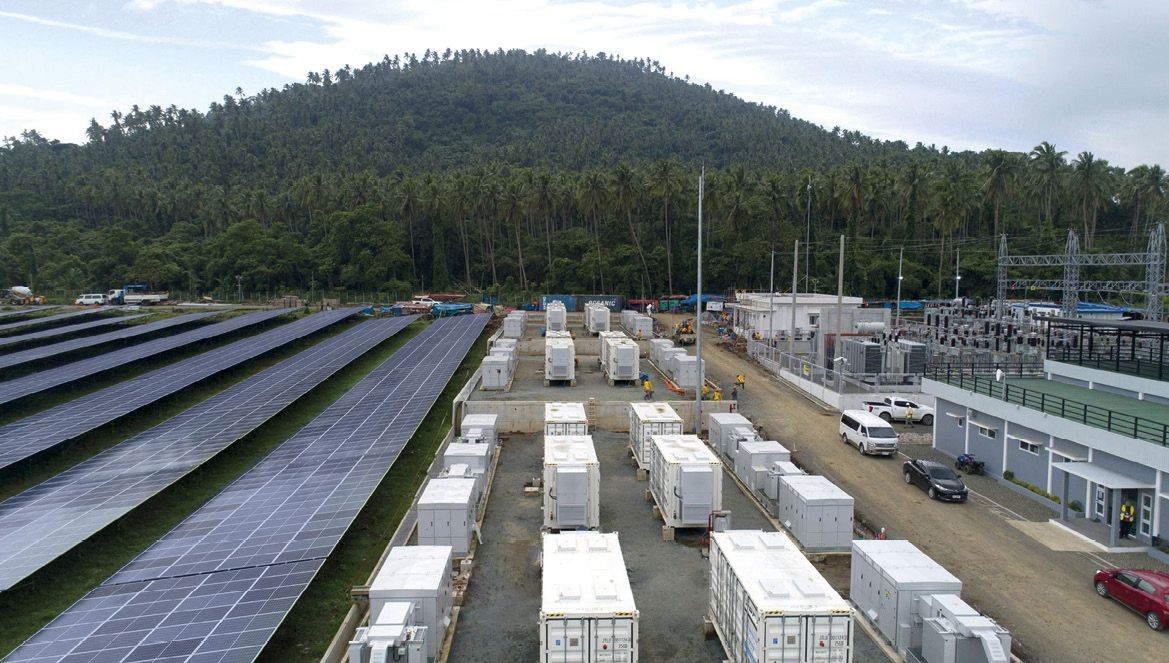
Developers building intermittent renewable energy plants in the Philippines with 10 MW or greater capacity will need to install energy storage systems (ESS) alongside under new rules issued by the Department of Energy.
The DOE updated its energy storage systems policy on Feb. 26, 2026, to include a framework setting minimum energy storage capacity volumes that must be installed alongside affected plants. Under the new rules, projects will need to integrate ESS with a capacity of at least 20% of the generating plant’s installed capacity as part of project development and grid integration. The DOE said this is consistent with system studies and local technical requirements.
Renewables deployment has been gathering pace in the Philippines, spurred on by reforms that have lifted restrictions on foreign investment and improvements to permitting processes for solar projects. Flagship projects include the 3.5 GW solar, 4.5 GWh battery ESS MTerra project, which completed initial grid synchronization and energization for its first phase in February 2026.
Now the DOE is seeking to shore up grid infrastructure in the Philippines through ESS as the renewables pipelines grow. The department circular ordering mandatory ESS for large-scale projects also encourages developers to install energy storage systems with grid-supporting capabilities. These, the DOE said, include but are not limited to grid-forming inverters that can help stabilize voltage and frequency. The DOE’s Department Circular doesn’t specify technology types for energy storage, though battery energy storage dominates the world’s energy storage buildout.
The Philippines transmission network provider and distribution utilities have also been directed to ensure energy storage facilities are considered when devising grid reinforcement strategies. The DOE has directed the transmission operator to include energy storage considerations in its transmission development plan and to recommend guidelines for grid-supporting capabilities. Periodic studies and simulations will be conducted to create uniform technical requirements, taking into account international standards and the Philippine grid code.
Philippines Energy Secretary Sharon Garin said that energy storage will help strengthen the country’s grid, allowing it to “absorb more renewables while maintaining reliability.”
“This policy ensures that [energy storage system] integration becomes part of system planning and project development, supporting better outcomes for consumers,” Garin said.
Written by

Popular Posts