Vanadium flow and lithium-ion combine in world’s largest grid-forming hybrid storage plant in China

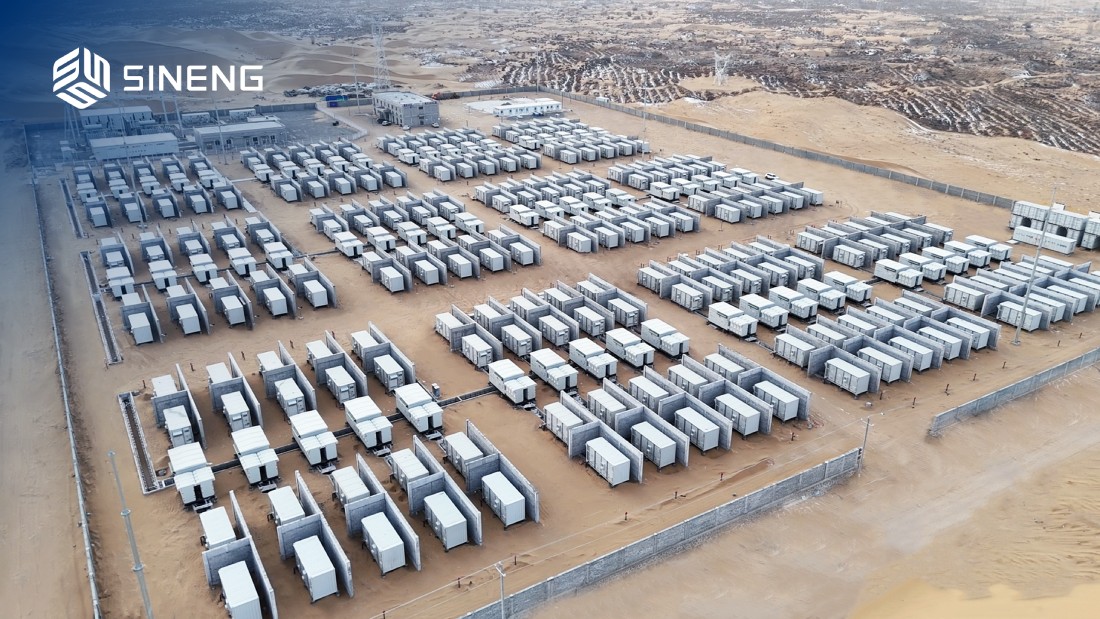
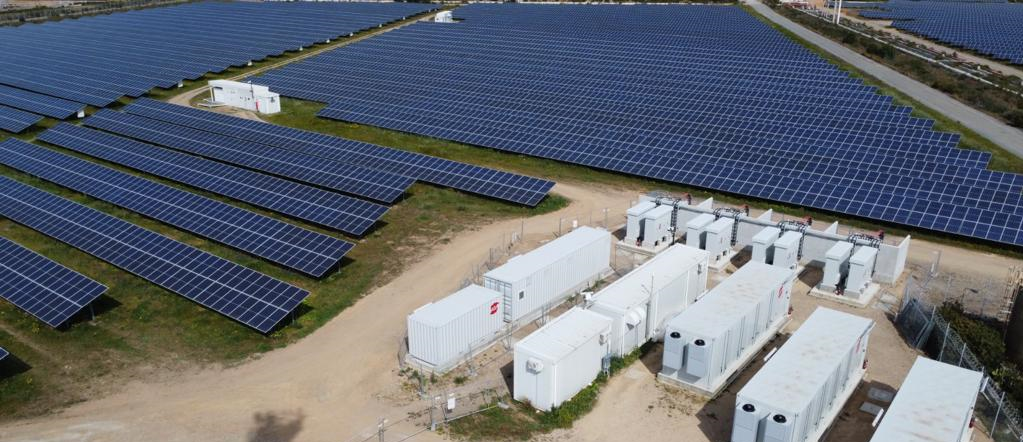
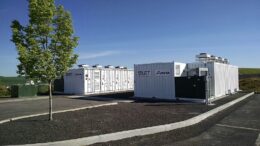
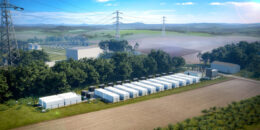
A 300 MW/1,200 MWh battery energy storage system (BESS) in Ordos, Inner Mongolia, has entered commercial operation after completing performance validation testing. The project uses a combination of lithium iron phosphate and vanadium flow batteries, aiming to pair fast-response batteries with longer-duration storage in a hybrid configuration.
It uses grid-forming power-conversion systems supplied by Sineng Electric, each at 1.25 MW. The system can provide power support, virtual inertia and damping support during grid disturbances, and black-start functions during outages. Sineng millisecond-level power support, virtual inertia and damping support, suppressing wide-frequency oscillations under both major and minor grid disturbances
The facility located in the Kubuqi Desert is part of a 3 GW/12.8 GWh energy storage buildout in the Inner Mongolia region known as the Gushanliang energy storage power station. Performance validation testing was said to be via a three-charge/three-discharge process.
The Ordos project represents the scale at which Chinese developers are now routinely deploying grid-forming technology. This contrasts with other markets where similar projects remain in pilot phases or face regulatory hurdles.
The Covering approximately 73 hectares) and backed by an 11.2 billion yuan ($1.58 billion) investment. On WeChat, Hunan Corun New Energy announced on December 30 2025, that the project was in testing, with Xingchen New Energy and “other members of the large-scale energy storage ecosystem innovation consortium” behind it.
According to Chinese media reports, the facility will be connected to the 500kV Gushanliang substation, serving industrial and residential users in Ordos and western Inner Mongolia. It will also be connected to broader northern China.
Written by
Comments


Popular Posts