Spanish government plans to accelerate permitting for hydroelectric plants

From pv magazine España
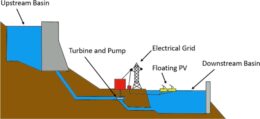
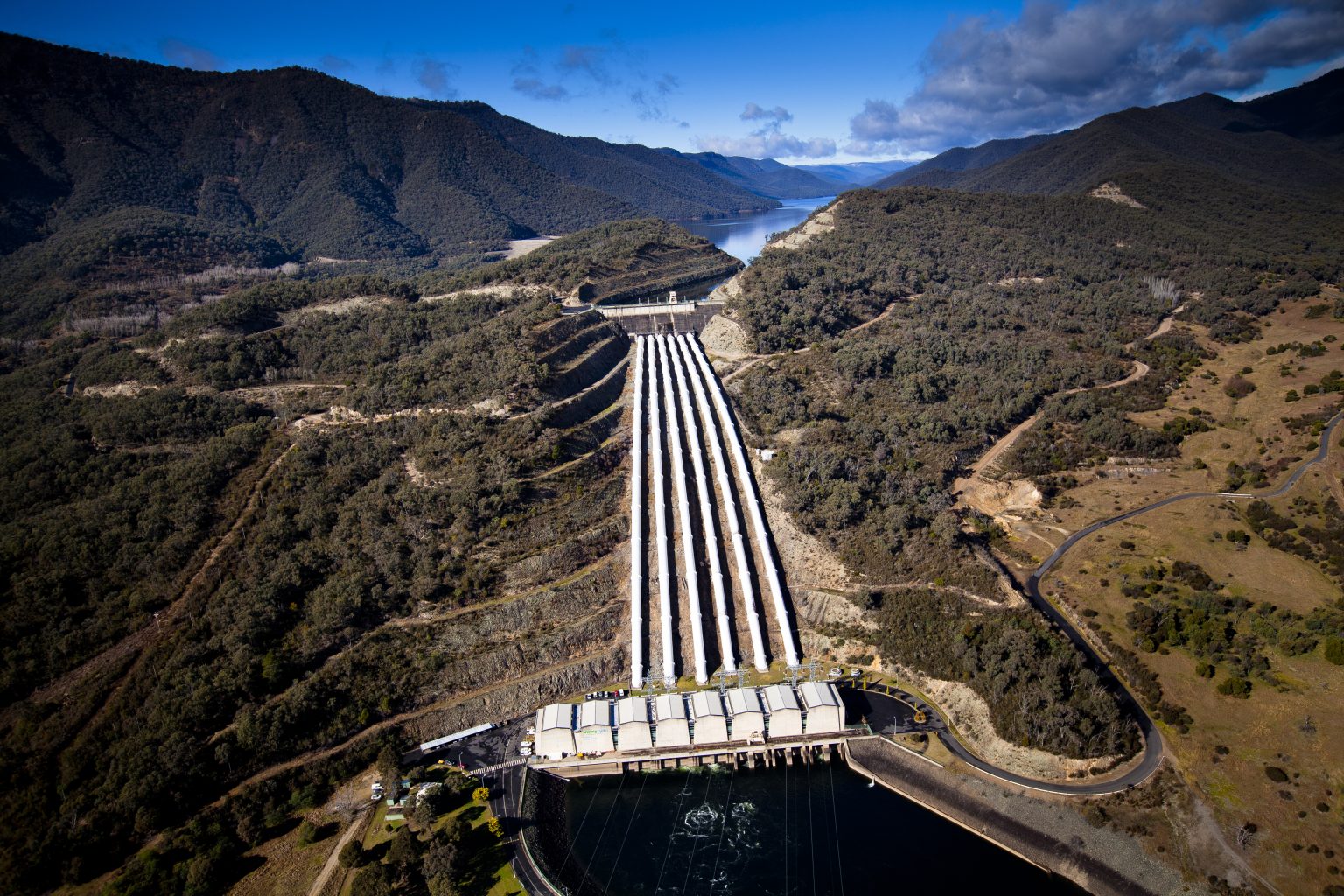
The Spanish government wants to streamline the permitting process for developing reversible hydroelectric power plants (RCPs). The Ministry for the Ecological Transition and Demographic Challenge (MTECO) is consulting on a new unified administrative procedure intended to simplify processing for necessary permits and concessions.
Construction and operation of RCPs in Spain requires multiple authorizations covering energy, environmental and hydraulic fields. Projects of more than 50 MW or those that affect more than one of Spain’s autonomous regions fall under the authority of the General State Administration. Under current rules, developers for these projects must obtain prior authorization for administrative, construction and operational work, an environmental impact statement, water concessions where appropriate, and a permit for access and connection to the electricity grid, granted by the system manager.
Steps have already been taken to reduce the administrative burden for developers – energy and environmental procedures have been partially coordinated – but sticking points remain. Processing relating to public water issues are separate. There is also no mechanism to coordinate water concessions with grid connection procedures, which can lead to misalignment between projects that obtain access to capacity and those that receive a hydraulic concession.
MTECO’s new regulatory initiative seeks to integrate energy authorization, environmental assessment and water concession into a single procedure. The objective is to reduce burdens and shorten deadlines.
Better coordination between water concession procedures and tenders for access to the electricity grid have also been proposed, especially where capacity is reserved for tender or linked to specific policies. This is to ensure that projects receiving access to capacity reserve also secure the corresponding hydraulic concession.
The deadline for submissions for the public consultation is Apr. 1, 2026.
More about
Written by
Comments




Popular Posts