Netherlands: TenneT and GES ink landmark deal for 800 MWh “congestion mitigator” battery

The Netherlands is currently grappling with “netcongestie”, a level of grid saturation in both supply and demand so severe that thousands of companies and renewable energy projects are stalled on waiting lists.
In seeking to address the issues, the Dutch Authority for Consumers and Markets (ACM) recently introduced a prioritization framework allowing “congestion mitigators” to leapfrog the queue.
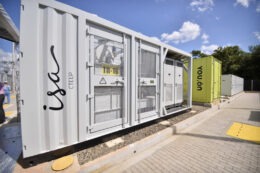
The Sequoia project, located in Oosterhout, confirmed and permitted over the past months, has now been announced as the first large-scale battery to utilize the new flexible contract. Under a combination of a Time-bound Transmission Right (TDTR) and a Capacity Control Contract (CSC), the 800 MWh system will act as a buffer. As is the style of most large-scale storage, it will store surplus solar and wind power during production peaks and release it when the grid has capacity.
The main difference is Dutch grid operator TenneT seeing this as effectively “creating” space for other parties on the waiting list.
By operating as a controllable asset, the battery halts contributions to avoid adding further to the grid during peak generation, and provides the flexibility needed to stabilize a system increasingly reliant on intermittent renewables. GES expects to commission the battery in 2027.
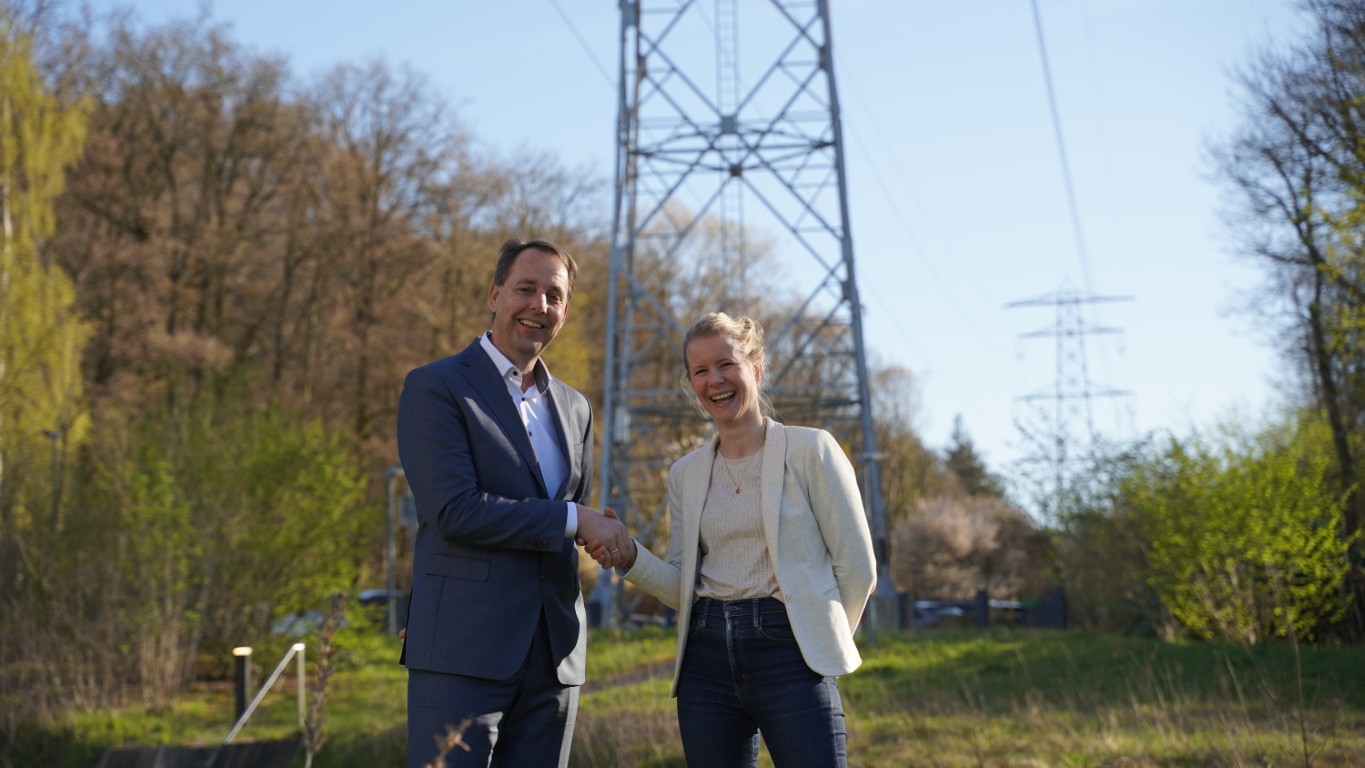
Maarten Abbenhuis, COO at TenneT, emphasized the strategic necessity of the deal:
“Large-scale batteries are becoming increasingly important in the energy system because they are key to integrating renewable energy sources and stabilizing the electricity grid. Renewable sources such as wind and solar generate energy at irregular intervals. Batteries store surplus electricity during production peaks and release it during periods with little sun or wind. By doing this intelligently, as now agreed with GES, we use the electricity grid more efficiently and can help more customers.”
Ad Verbaas, COO at Green Energy Storage (GES), stated:
“With the Sequoia project in the municipality of Oosterhout and the capacity control contract (CSC), GES and TenneT are taking an important step together towards an energy system that is not only about generation, but also about flexibility … This first capacity control contract with a congestion mitigator marks an important step in the development of a flexible energy system. With Sequoia, we are demonstrating how large-scale battery storage can already make a tangible contribution to alleviating grid congestion today.”
Written by






Popular Posts