How an undersized power conversion system actually affects BESS output

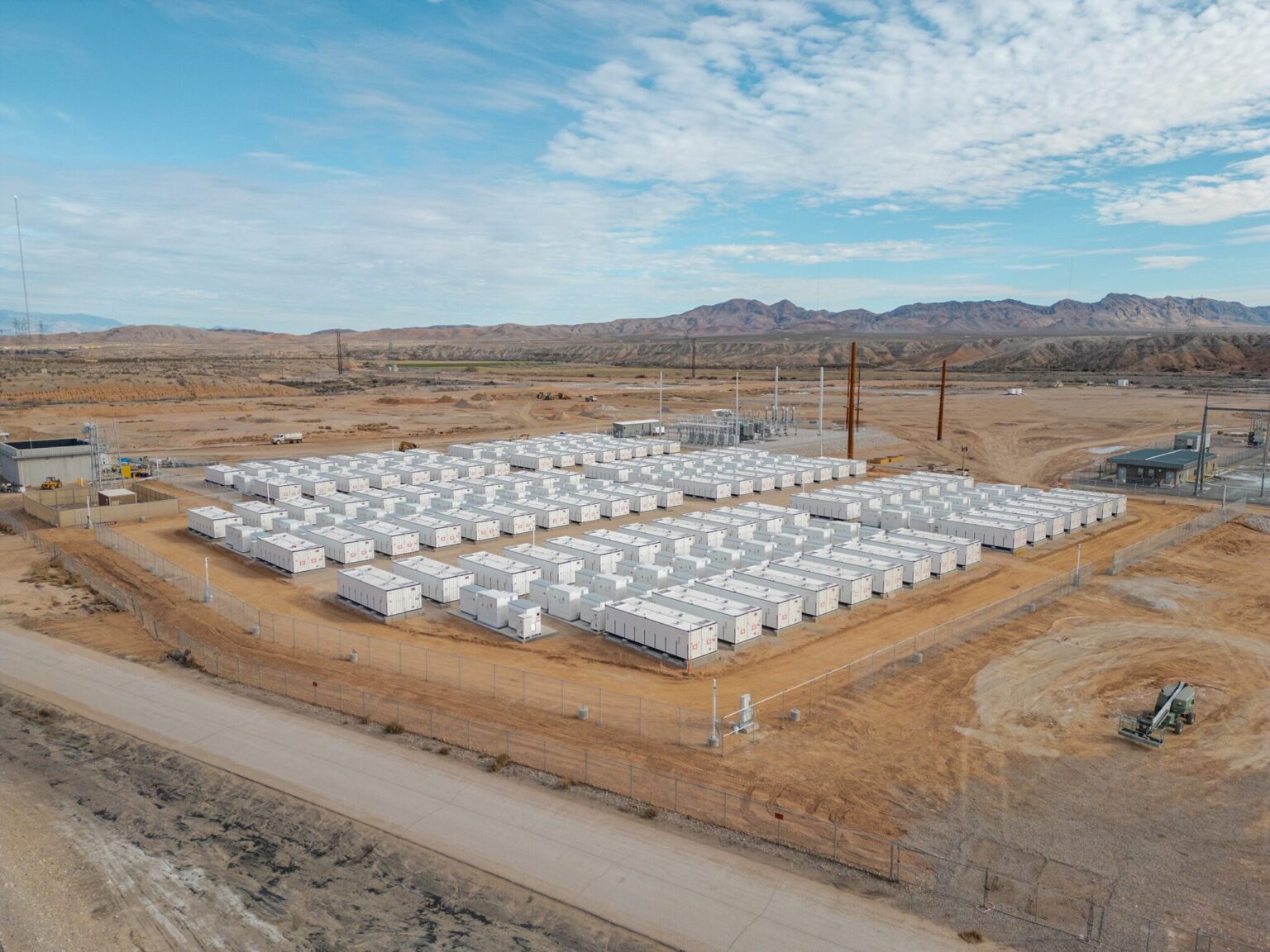
A utility-scale battery energy storage system in Europe failed to deliver expected performance due to an undersized power conversion system (PCS), according to Darya Rüwald, Head of Battery Intelligence at Accure Battery Intelligence, speaking at the Battery Business & Development Forum 2026 (BBDF 2026)
Rüwald presented the case as part of a broader session on real-world system failures, describing an approximately 40 MW/ 80 MWh battery system that repeatedly underperformed during dispatch.
With the operator of the battery engaging Accure and Darya’s team, a detailed analysis of the data revealed that the system experienced power losses in up to 32% of its operating hours. In the most severe cases, power failed completely in approximately 15% of the events. “The system not only lost power, but at times went completely to zero,” Rüwald told pv magazine before the event.
She added at the conference, “The system had repeatedly struggled to provide the required output during peak-load periods.”

Initial investigations by the owner focused on the battery itself. However, analysis of operational and cell-level data showed the battery was functioning within expected limits, with no underlying defect. “The operator initially suspected that the batteries were unable to deliver energy according to their specifications,” said Rüwald.
Cascading issues and confusion
Without a clear understanding comes a cascading issue: for example, the optimizer employed to generate merchant revenue for the battery receives information from the storage system about how much energy is available at full capacity.
Based on the contractual agreements with the storage operator, they then plan how to utilize the available energy and trade it, for example, on the day-ahead or intraday market. They then send a signal to the storage system’s energy management system (EMS) every 15 minutes, indicating how the storage system should behave.
The EMS checks the feasibility and sets the target values for active power to the power electronics. In this case, the storage system was unable to deliver the traded energy quantities due to the outages. The optimizer then passes these costs (if any) on to the storage operator.
Actual outcomes
The Accure team with Rüwald analyzed the operating data and came to a different conclusion: the batteries had worked as intended and in this case, the problem lay with the power electronics.
“The PCS was underdimensioned for the actual operating requirements at the site,” Rüwald said, bringing up the issue of real vs reactive power requirements. With a system operating close to its apparent power limit when delivering active power, there is no margin for reactive power support for voltage stability which may be required at the grid connection point.
As a result, the system could initially approach its target output, but performance deteriorated under sustained operation. “Stable continuous operation at high output was not possible,” Rüwald said.
The commercial impact was real, with the system optimizer committing energy volumes based on expected availability, but faced an asset unable to deliver. The result, although not specifically quantified by Accure, was both lost revenue and financial penalties passed back to the operator.
Panel discussion at BBDF 2026 highlighted that such issues are hugely difficult to resolve once a system is commissioned. Mitigation options are limited to derating the asset or adding further capacity, both of which carry economic penalties.
Speakers emphasised that correct PCS sizing must account for full system requirements, including grid code obligations, reactive power provision, temperature-related derating, and the intended market use case.
Focusing only on upfront capital cost, the panel warned, can lead to structural underperformance that persists throughout the asset’s lifetime. Mitigation of such a problem is also difficult at any point, but once commissioned, the problems multiply.
Written by




Popular Posts