Germany may curtail preferential treatment of large battery storage facilities near substations

The current impression is that every effort is being made to make the construction of large battery storage facilities in Germany as complex as possible. In addition to ongoing discussions around grid fees – which may be levied retroactively – and persistent constraints in grid connection capacity, the planned reform of the building code could represent yet another obstacle to bringing such projects online.
Namely, a new proposal from the Federal Ministry for Housing, Urban Development and Building could significantly undermine the recently achieved improvements for large-scale battery storage systems.
Last November, the Bundestag and Bundesrat decided that battery storage systems with a capacity of 1 MWh or more in outdoor areas would benefit from preferential treatment under the Federal Building Code. Before the end of the year, however, this improvement – introduced through an amendment to the Energy Industry Act – was already curtailed by the Geothermal Energy Acceleration Act. In particular, preferential treatment in outdoor areas was limited to co-located battery storage systems that are spatially and functionally linked to renewable generation assets. In addition, standalone storage systems were only granted preferential treatment if they had a capacity of at least 4 MW and were located within 200 meters of substations or power plants with a capacity of 50 MW or more.
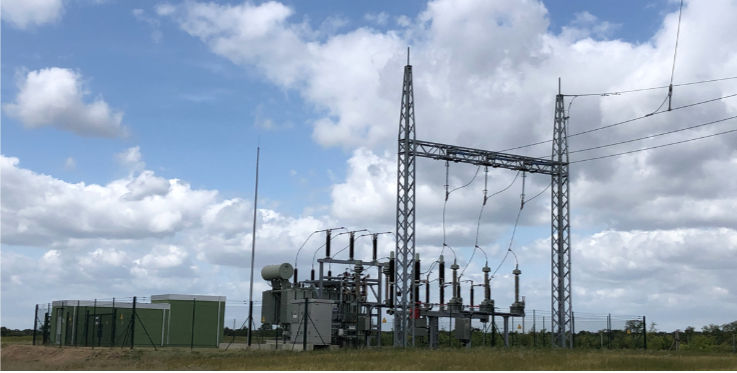
Now, only a few months later, a new draft bill of the building code obtained by pv magazine Germany suggests further tightening of the rules. It proposes reducing the eligible proximity to substations to a minimum of 100 meters, while maintaining the existing preferential treatment threshold of 200 meters. This appears to be justified by the need to preserve land for potential future expansion of substations. Notably, the draft does not distinguish between substations developed by grid operators and those developed by project developers.
Another proposed change could further complicate the approval of storage projects. A new preferential treatment would apply only to projects that comply with existing land-use plans. However, battery storage systems are currently rarely included in such plans. In addition, the permissibility of such projects would be significantly restricted, with even the concept of overriding public interest no longer playing a decisive role.
As with the leaked drafts of the EEG amendment and the grid package, the proposed changes to the building code are still at an early stage. No inter-ministerial consultation has taken place yet, but associations and stakeholders may submit comments until April 29. The final draft is not expected to reach the Bundestag before the summer recess, and any changes would realistically not enter into force until next year.
From pv magazine Germany
Written by
Comments






Popular Posts