Brazil can reach 7 GW in storage by 2035

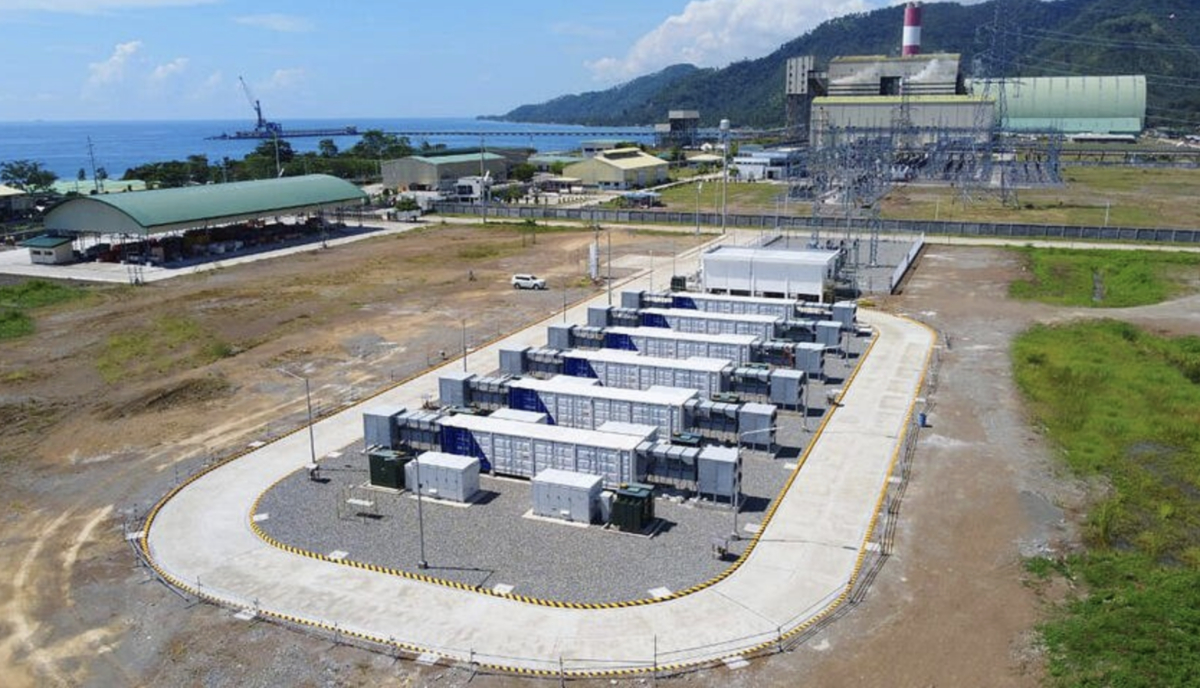
Projections from the Energy Research Company (EPE), in the Ten-Year Energy Plan (PDE 2035), indicate that Brazil can incorporate approximately 7 GW of energy storage and another 3 GW in demand response mechanisms. Together, these resources will be fundamental to meeting the power needs of the National Interconnected System (SIN), but their viability depends on a stable legal framework and regulatory progress.
Presented by Thais Teixeira, technical consultant for EPE, this projection was one of the topics discussed by specialists, authorities and agents of the electricity sector during Storage Leaders, an event promoted by the Brazilian Association of Photovoltaic Solar Energy (Absolar) last week, with the presence of business leaders, consultants and representatives of class entities and government bodies.
A competitive alternative to provide flexibility
One of the main points of focus raised at the event was the urgent need for increased flexibility. Projections indicate that the minimum net load on the National Interconnected System (SIN) in 2029 may be lower than that observed in 2024, while the load ramp is expected to grow significantly. This necessitates new resources to ensure a balance between supply and demand throughout the day, one of the main operational challenges of the energy transition.
Studies presented by Deloitte’s strategy director, Jovanio Santos, indicate that short-term flexibility needs could increase two to ten times by 2035, reflecting a structural shift in the operation of modern electricity systems. In this context, technologies such as batteries, demand response, and pumped-storage hydroelectric plants are gaining prominence, while dispatchable sources are increasingly focused on capacity assurance.
In this scenario, energy storage is a competitive alternative to fossil fuel power plants, according to analyses presented by Marília Rabassa, head of consulting at CELA (Clean Energy Latin America). According to the study, the use of batteries can reduce total capacity costs by up to 48% and carbon emissions by up to 66%, in addition to contributing to greater operational efficiency.
Storage systems can also mitigate significant fluctuations in the Settlement Price of Differences (PLD) throughout the day. According to Ricardo Simabuku, Director of Market Management at the Chamber of Electric Energy Marketing (CCEE), prices ranged between R$ 61/MWh and R$ 712/MWh in one case.
Asset for the transmission and distribution network
During the debate, Renato Ribeiro, from the transmission company ISA Energia, presented practical examples of the use of the battery system implemented in the Registro (SP) substation, where the dispatch of BESS was essential to avoid manual load cuts and provide voltage stability in critical regions, such as the southern coast of São Paulo during the summer season.
Practical cases presented by the Brazilian Association of Smaller Electric Power Distributors (ABRADEMP) also demonstrated the benefits of batteries: in a pilot project at a distributor in Paraná, the implementation of a 10 MW / 20 MWh BESS system showed relevant gains, such as improved supply continuity indicators, reduced overloads and voltage collapses, greater resilience to extreme weather events, and safer integration of distributed solar generation.
According to the entity, the storage made it possible to avoid or postpone significant investments in network infrastructure, with faster deployment and greater operational flexibility, including response in less than one second and dynamic operation capability via software.
International expansion and falling prices
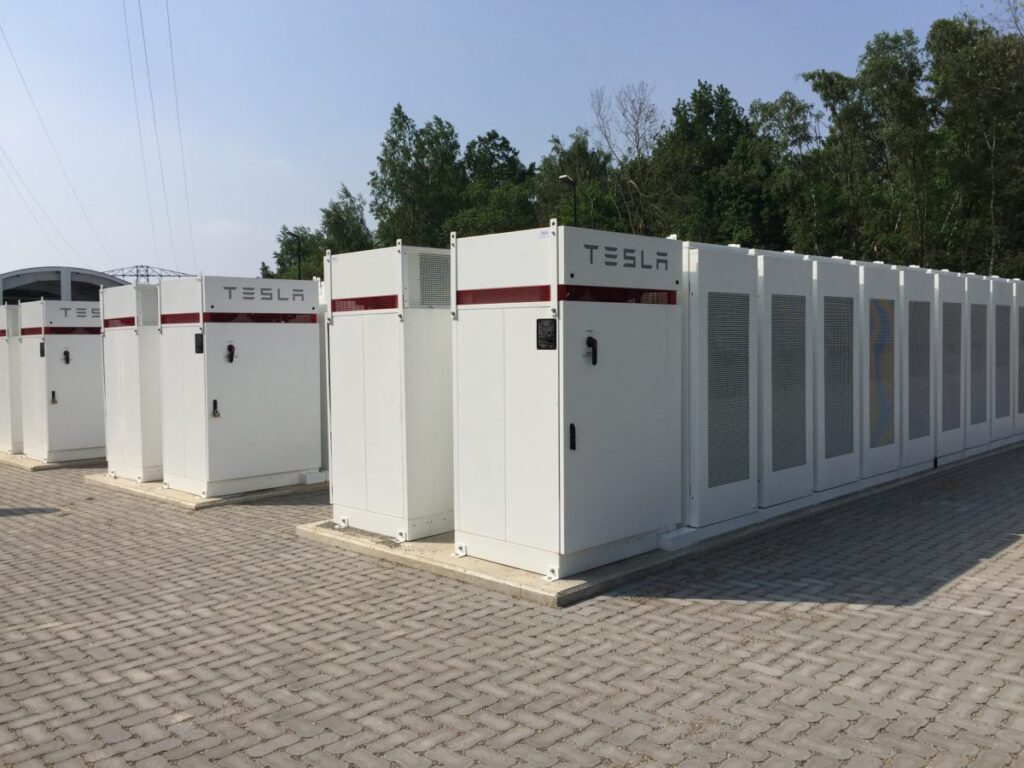
On the international stage, the expansion of batteries is progressing rapidly. According to BloombergNEF (BNEF), global capacity grew from approximately 1 GW in 2013 to over 85 GW in 2023, with a strong concentration in China, the United States, and Europe, indicating a structural shift in how electrical systems are being planned.
This growth, according to BNEF, is driven by the significant drop in battery costs. The price of systems has fallen from around US$170–180 per kWh to approximately US$108 in recent years, making the technology increasingly competitive and economically viable.
In many markets, more than two-thirds of new battery systems are already being directly connected to transmission and distribution networks worldwide, expanding their role as a solution for infrastructure planning, deferring grid investments, and providing ancillary services. These services include frequency regulation, voltage control, capacity reserve, black start, and the integration of renewable energy sources, demonstrating the multifunctional nature of energy storage.
Regulatory challenges
Despite technological advancements and market potential, experts have warned of significant challenges within the Brazilian regulatory environment. For Bárbara Rubim, the president-elect of Absolar’s Board of Directors, energy storage is strategic for the future of Brazil’s electricity sector. “In this regard, the country needs to overcome major challenges, especially the lack of a consolidated regulatory framework. This issue, debated since 2023, still lacks formal regulations that recognize and value all the functions of energy storage in the electricity sector,” she notes.
“The lack of specific regulations, the difficulty of providing adequate remuneration for the multiple services offered, and limitations in the market structure remain significant barriers to the sector’s development. In this regard, refining the market for ancillary services, with well-defined products and appropriate pricing signals, is fundamental to enabling sustainable business models,” adds Rodrigo Sauaia, CEO of Absolar.
There is also a positive expectation regarding the 2026 Local Reserve Capacity Auction (LRCAP – Storage), which may contract close to 2 GW in batteries, although Absolar advocates structural adjustments, such as extending the term of the contracts and eliminating regulatory distortions.
“Other measures such as the inclusion of storage in the Special Incentive Regime for Infrastructure Development (REIDI) and the possibility of issuing incentivized bonds are fundamental to unlocking investments and consolidating Brazil as a protagonist in the new technological wave of the global electricity sector,” concludes Sérgio Jacobsen, Vice President-elect of Storage at Absolar.
To broaden the discussion and bring the topic closer to professionals working at the end of the sector, Absolar will hold the “Storage for Integrators” event on May 21st in São Paulo. This initiative will bring together specialists, companies, and integrators to discuss market opportunities, practical applications, business models, and the main technical and regulatory challenges related to battery use in Brazil, reinforcing the strategic role of storage in the expansion of distributed generation and the modernization of the national electricity system.
From pv magazine Brazil.
Written by
Comments