Installed BESS capacity in Spain grew by 589% since 2025 blackout

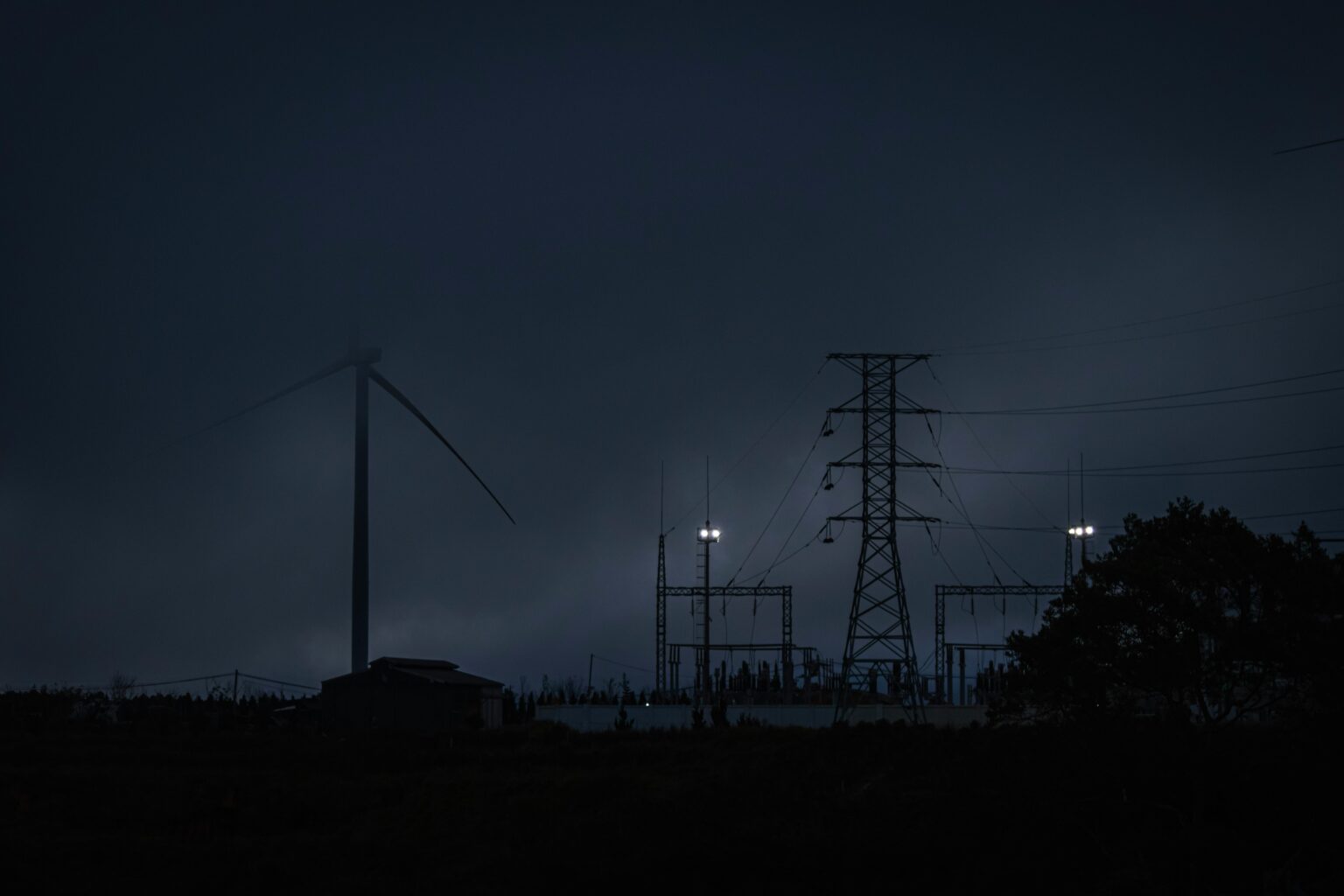
One year after the blackout of April 28, 2025, technical analyses and regulatory responses have reshaped the concept of security of supply in Spain’s electricity system, which has been undergoing rapid transformation since 2018 due to high renewable penetration. Far from being an isolated incident, expert reports -including those from the committee appointed by the Spanish government, Red Eléctrica, and ENTSO-E – conclude that the blackout resulted from a combination of operational and structural factors that exposed vulnerabilities in a system increasingly dominated by renewable technologies.
The event began with the sudden loss of approximately 15 GW of generation within seconds, triggering a cascading failure that led to a nationwide blackout. The sequence involved voltage deviations, frequency instability, and automatic shutdowns, underscoring the critical importance of real-time system control.
Among the main causes identified was insufficient voltage control capacity, linked to the reduced presence of synchronous generation. In a system with high shares of non-synchronous renewables such as solar PV and wind, the provision of ancillary services – including inertia, frequency regulation, and reactive power – becomes more complex, limiting the system’s ability to absorb disturbances. This was compounded by the limited deployment of energy storage – around 28 MW of batteries at the time – which constrained rapid response capabilities, as well as low levels of interconnection with neighboring systems, restricting external support.
The overall diagnosis points to a systemic failure rather than a single cause: a chain of conditions and events that exceeded the system’s resilience. This understanding has informed subsequent measures aimed at strengthening both operational management and long-term system planning.
Boost to storage
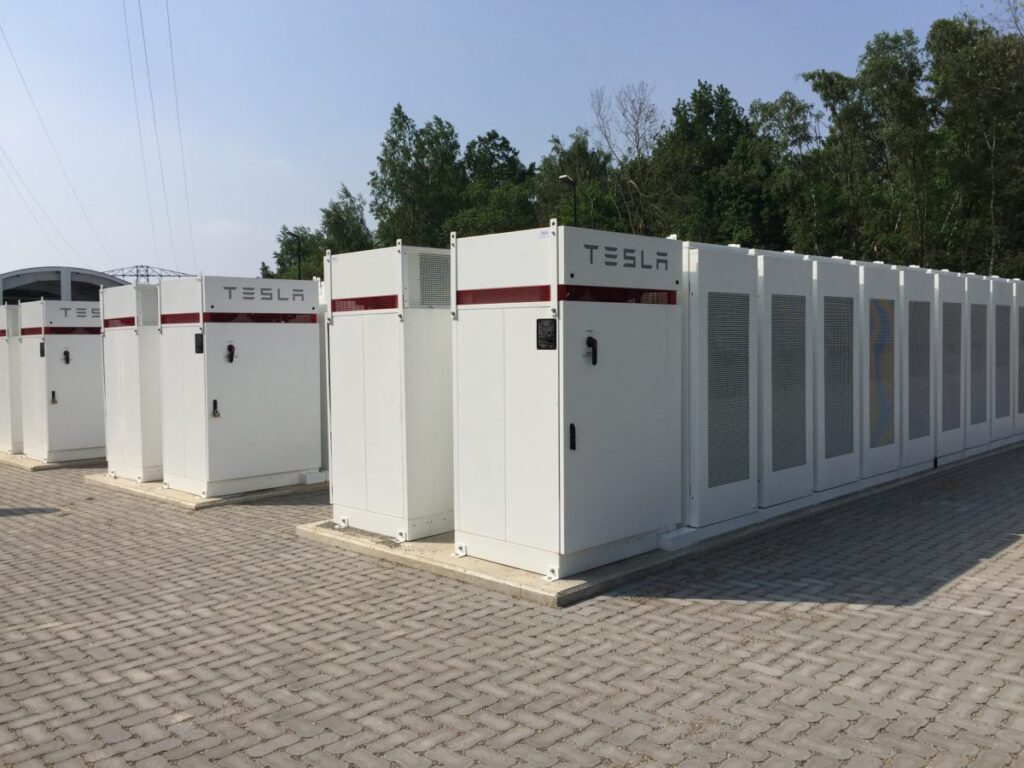
Although installed battery storage capacity has grown by more than 500% since the blackout, Spain still ranks near the bottom in Europe, far behind countries such as Germany, Italy, and the United Kingdom, which each have several gigawatts installed.
According to Red Eléctrica, Spain had just 28 MW of installed battery capacity in April 2025. By April 2026, this had increased to 193 MW – representing year-on-year growth of 589%. At the same time, the pipeline of BESS projects expanded sharply, with project processing rising by 464% year-on-year.
Demand for storage in the self-consumption segment also surged. In 2025, capacity grew from 155 MWh to 339 MWh, a 119% increase, according to APPA Renovables. Residential installations rose by 155%, while commercial and industrial deployments increased by 95%, compared with virtually no capacity in this segment in 2023.
Other regulatory developments
The blackout has also driven improvements in system monitoring and control. New mechanisms and protocols now require greater transparency and real-time data sharing across all electricity system participants. The supervisory powers of the National Commission for Markets and Competition (CNMC) have been strengthened, and operating procedures have been updated to allow renewable energy plants to implement controlled ramp-up and ramp-down processes to prevent cascading failures.
In addition, renewable generators are now increasingly able to provide voltage control through grid-forming capabilities – an important step long advocated by the sector.
On the infrastructure side, the Ministry for Ecological Transition and the Demographic Challenge (MITECO) launched its proposal for the 2025–2030 electricity transmission network shortly after the blackout. The plan prioritises around €13.6 billion in investment to integrate renewables, enhance interconnections, and support industrial electrification, with the goal of achieving an 81% renewable share in the power mix by 2030.
Measures to accelerate electrification have also been introduced. A Royal Decree approved in November 2025 promotes the connection of new economic activities – particularly industrial – to the grid. It also introduces a five-year expiry period for grid access rights to prevent speculation and hoarding, and shortens response times for distribution network expansions, including those related to EV charging infrastructure.
Outstanding challenges
Despite progress in renewable deployment, more than 70% of Spain’s total energy consumption still depends on fossil fuels. According to the Renewable Energy Foundation, imports of gas and oil alone cost more than €51 billion last year. Reducing reliance on gas and accelerating electrification across transport, industry, and heating remains a critical priority.
Grid constraints also remain a major issue. While 2025 saw strong renewable generation, it also highlighted saturation problems that forced curtailment. On average, 3.11% of renewable electricity could not be integrated into the grid, with peaks exceeding 10% in July. In total, 5,414 GWh of renewable electricity was curtailed.
At the same time, Spain recorded a new high in negative electricity prices, with 397 hours of negative pricing in the first quarter.
Negative consequences
One unintended consequence of the blackout has been increased reliance on gas-fired generation to stabilise the grid. Red Eléctrica activated reinforcement measures based on combined-cycle gas turbines, leading to a 50% increase in gas-fired generation between May and December 2025. As a result, power sector CO₂ emissions rose by 9% year-on-year, equivalent to an additional 2.44 million tonnes of CO₂, according to the Sustainability Observatory.
System costs have also increased significantly. Operating costs reached €1.8 billion so far this year, according to the Observatory of Operating Service Costs. Ancillary service costs rose from €0.017/kWh in February 2025 to €0.029/kWh in February 2026. However, recent weeks have seen some easing of these costs as more renewable generators begin providing voltage control services.
The blackout also underscored Spain’s limited interconnection with the rest of Europe. One year on, cross-border exchange capacity still represents only around 4% of installed generation capacity – well below EU recommendations.
Progress is underway, however. In 2025, construction began on the Bay of Biscay submarine interconnection with France, a 400 km նախագ that will increase exchange capacity from 2,800 MW to 5,000 MW. More recently, MITECO signed a memorandum of understanding with Ireland to explore a new submarine interconnection.
Responsibilities and investigations
The CNMC has taken initial administrative steps following nearly a year of investigation into the blackout. On April 17, it launched 20 sanctioning proceedings: one very serious case against Red Eléctrica and 19 serious cases involving assets owned by Endesa, Iberdrola, Naturgy, Repsol, and Bahía de Bizkaia Electricidad.
The regulator has since expanded its investigation to include 35 additional cases – mainly involving Endesa and Iberdrola – some of which relate to incidents dating back up to two years and are not directly linked to the blackout. The CNMC now has up to 18 months to conclude its investigations and, where appropriate, impose penalties.
From pv magazine Spain
Written by
Comments