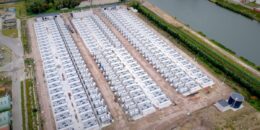
Huawei, AIS sign Egypt deal to localize grid-forming BESS manufacturing

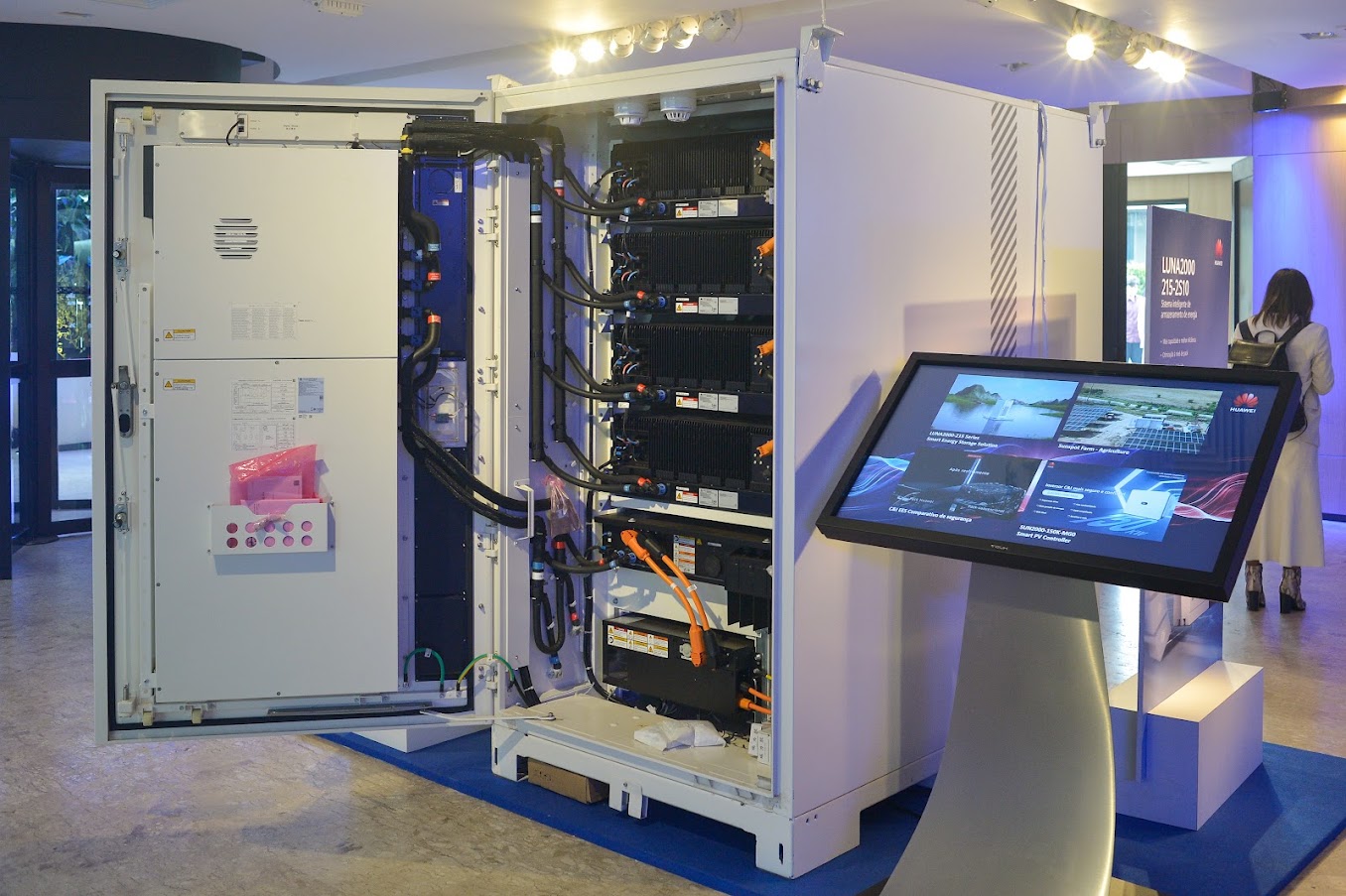
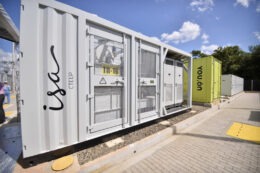
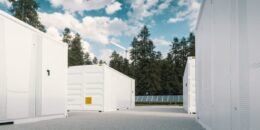
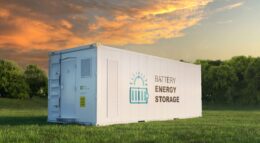
Huawei and Egypt’s Advanced Industrial Systems (AIS) have signed a memorandum of understanding to cooperate on the local manufacturing of grid-forming battery energy storage systems in Egypt, marking a new step in the country’s push to localize clean energy equipment and strengthen grid-scale storage capacity. The agreement focuses on building local production capability, localizing key components, and developing technical talent for the storage sector.
According to Egyptian local media, the MoU was signed on April 16 in Cairo and later disclosed publicly in late April. Huawei is expected to contribute its grid-forming BESS technology, solutions, and manufacturing support, while AIS will provide local industrial resources, implementation channels, and supporting infrastructure.
The structure of the cooperation is relatively clear.
First, the two sides plan to explore a localized manufacturing base for storage equipment in Egypt. Second, they aim to localize manufacturing of core components for grid-forming BESS and build out a more complete domestic supply chain. Third, they plan to train local engineers and technical personnel, with Huawei emphasizing technology transfer and workforce development as part of the partnership.
Huawei Egypt Digital Power CEO Tony Bu said the tie-up is intended to support energy security, job creation, and technology transfer, while AIS CEO Karim Arafa described it as a step toward building a local ecosystem for advanced energy technologies.
The agreement fits Egypt’s broader energy transition strategy. Egypt has publicly maintained a target for renewables to account for 42% of electricity generation by 2030, a goal that has driven interest in both local manufacturing and grid-support technologies. Grid-forming storage is especially relevant in that context because it can do more than conventional grid-following under Egyptian grid condition including stabilizing voltage and frequency as renewable penetration rises.
The Huawei-AIS deal also sits within a wider wave of Chinese renewable energy investment in Egypt. In January 2026, Egypt signed renewable energy agreements worth about $1.8 billion involving Scatec and Sungrow, including a 1.7 GW solar project backed by 4 GWh of battery storage.
Another example came in December 2025, when JA Solar joined a consortium behind the $210 million Atum Solar complex in the Suez Canal Economic Zone, with planned annual capacity of 2 GW of solar cells and 2 GW of modules. These projects suggest that Egypt is moving beyond importing renewable equipment and toward becoming a regional manufacturing and deployment hub for solar and storage in North Africa and the Middle East.
The Huawei-AIS agreement adds a new layer to that trend by focusing specifically on grid-forming BESS, a segment likely to become more important as larger solar-and-storage plants come online.
Written by
Comments

Popular Posts