US transformer market faces severe supply constraints as lead times extend to four years

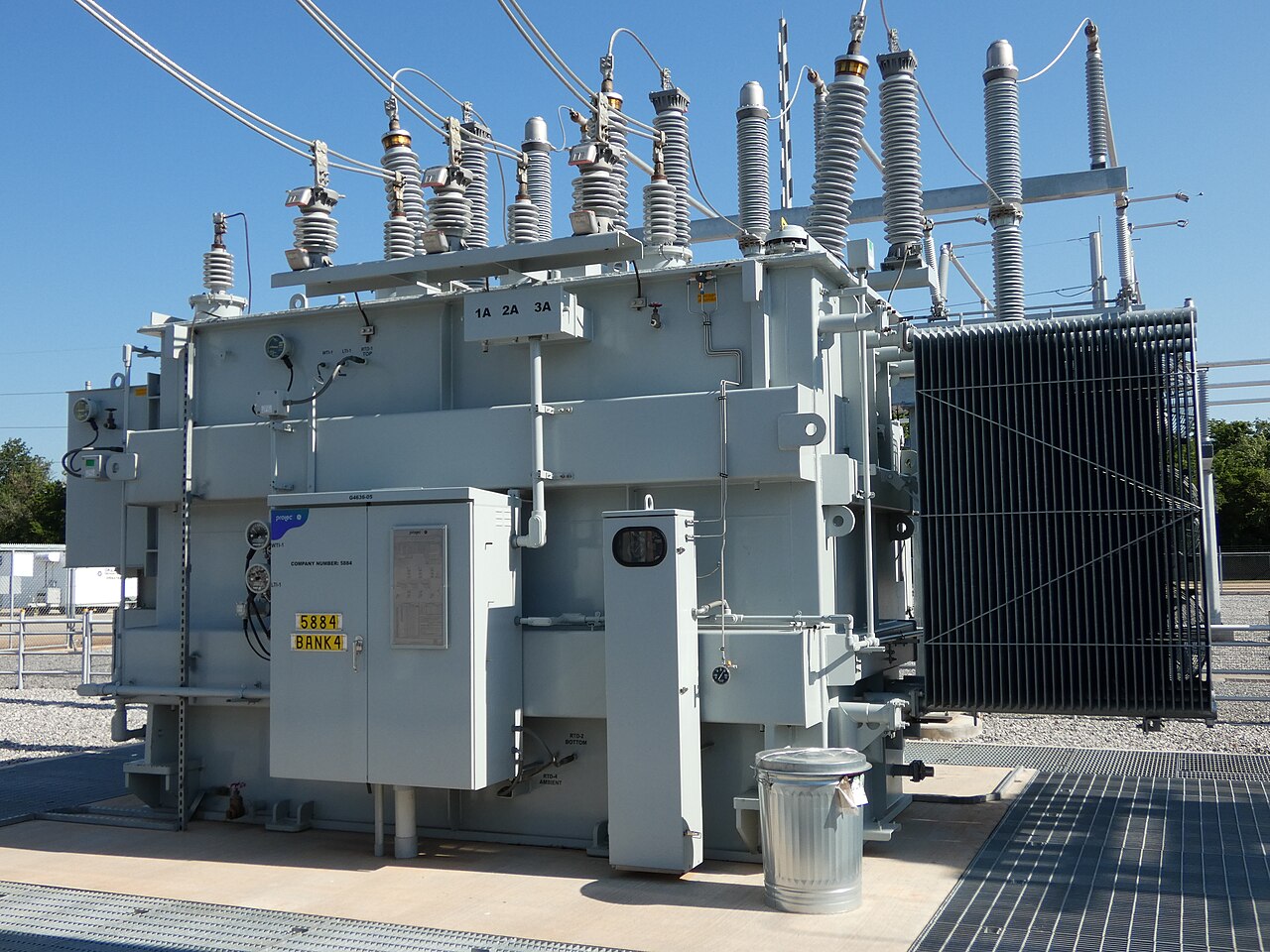
The scramble for electrical infrastructure is reaching a fever pitch as power developers and data center operators compete for limited factory production slots. A report from Reuters Events highlights that long transformer lead times are now dictating power project schedules across the country.
A combination of surging demand and raw material shortages has pushed lead times for high capacity units to as long as four years, according to analysts from PwC. This shortage is quickly becoming the main bottleneck for grid modernization and renewable energy deployment.
Data from Wood Mackenzie indicates that demand for generator step up transformers increased by 274% between 2019 and 2025. During that same period, demand for substation transformers rose by 116%. The growth is fueled by a massive influx of new load from artificial intelligence data centers as well as the ongoing transition toward electrified transport and industrial manufacturing.
Industry experts note that prices for these essential components have jumped by roughly 80% over the last five years. Michael Novev of Burns and McDonnell told Reuters Events that price inflation coupled with extreme delivery delays is forcing developers to change their procurement strategies. Some firms are now purchasing production slots at a premium before they have even finalized a specific project site. Others are resorting to refurbishing older equipment to bridge the gap until new units arrive.
A major factor in the supply crunch is the limited availability of grain oriented electrical steel and copper. Specialized steel is required for transformer cores and has faced its own global supply chain hurdles. Because domestic production of material is constrained, manufacturers and developers remain heavily dependent on imports to meet the shortfall.
In response to the domestic supply gap, manufacturers are ramping up investment in US production facilities. Hitachi Energy recently announced over $1 billion in investment, including a new plant in South Boston scheduled to come online in 2028. Siemens has also increased its manufacturing commitment in North Carolina to $421 million for a transformer factory in Charlotte.
Despite these investments, the supply and demand imbalance is expected to persist for years. Large scale data center developers are increasingly looking toward on site power generation to bypass the long queues for grid connections, while utility scale renewable projects face the risk of becoming stranded assets if they cannot secure transformers in time for project completion.
From pv magazine USA
Written by


Popular Posts