Solar industry faces rising risks from fires and battery faults

The US renewable fleet continues to expand with strong demand, and the industry faces operational nuance along with hardware procurement as key challenges.
Data center electricity use is on track to quintuple by 2040, and global cooling demand is projected to triple by 2060, placing a massive burden on a grid that now counts on solar, wind, and storage. Meeting the demand ahead requires collaboration between asset owners, operators, financiers, insurers, brokers, and manufacturers to ensure infrastructure remains durable and reliable.
The 2026 Solar Risk Assessment comprises 19 articles from global industry partners that provide an objective analysis of resilience and reliability. Data from the report reveals that while extreme weather remains a major driver of financial loss, the next frontier of risk is domestic, originating from within the plant itself.
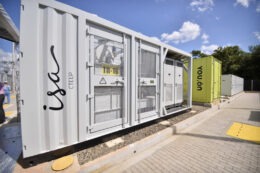
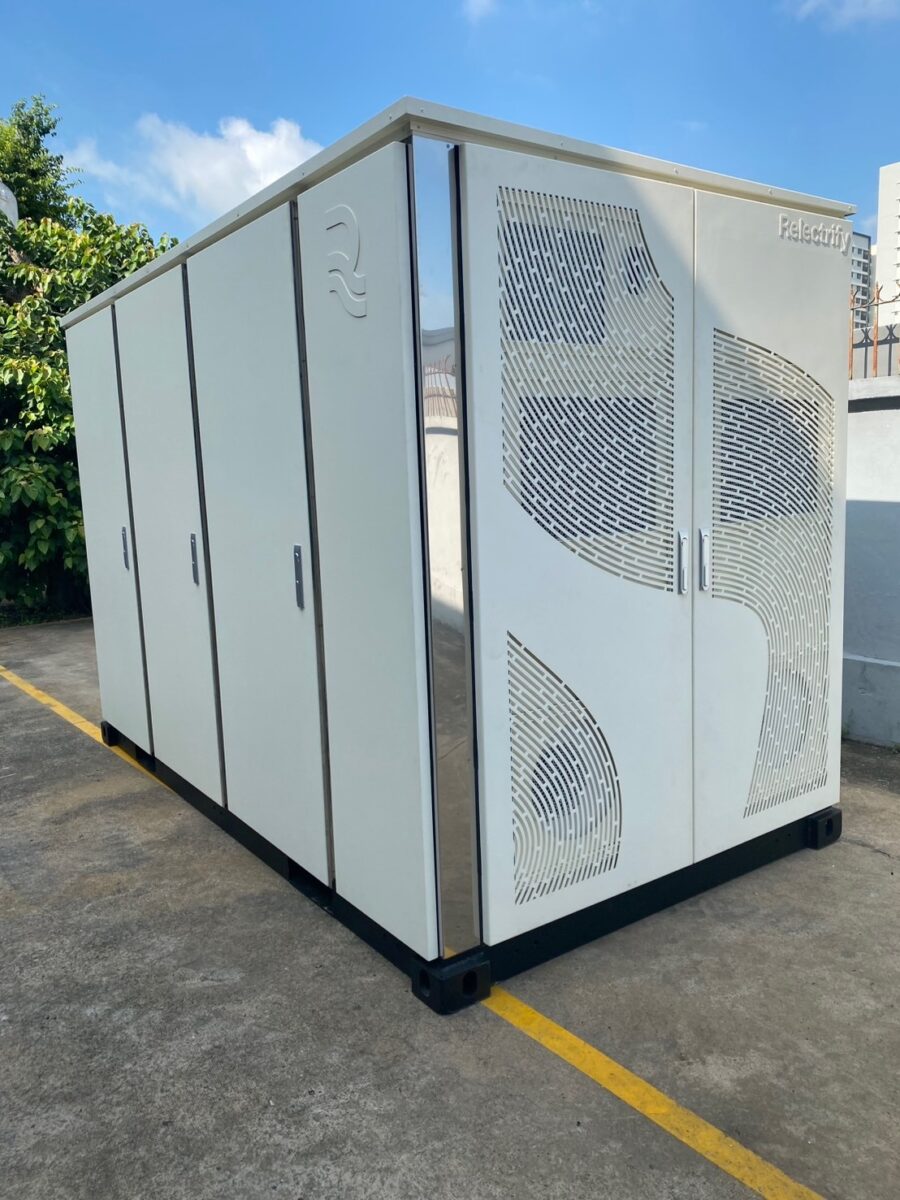
This article focuses only on the battery storage aspects of the Solar Risk Assessment.
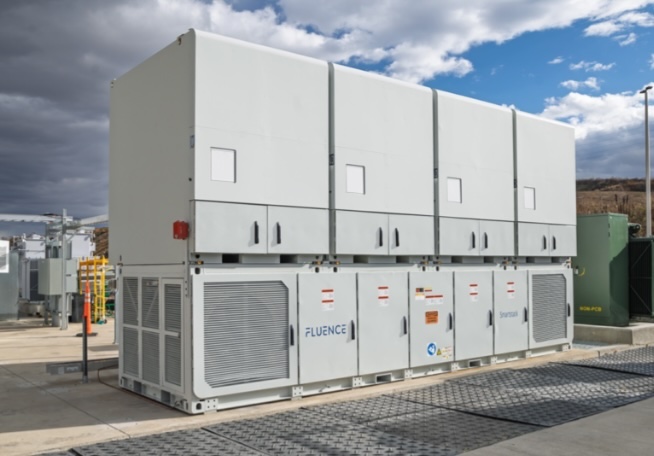
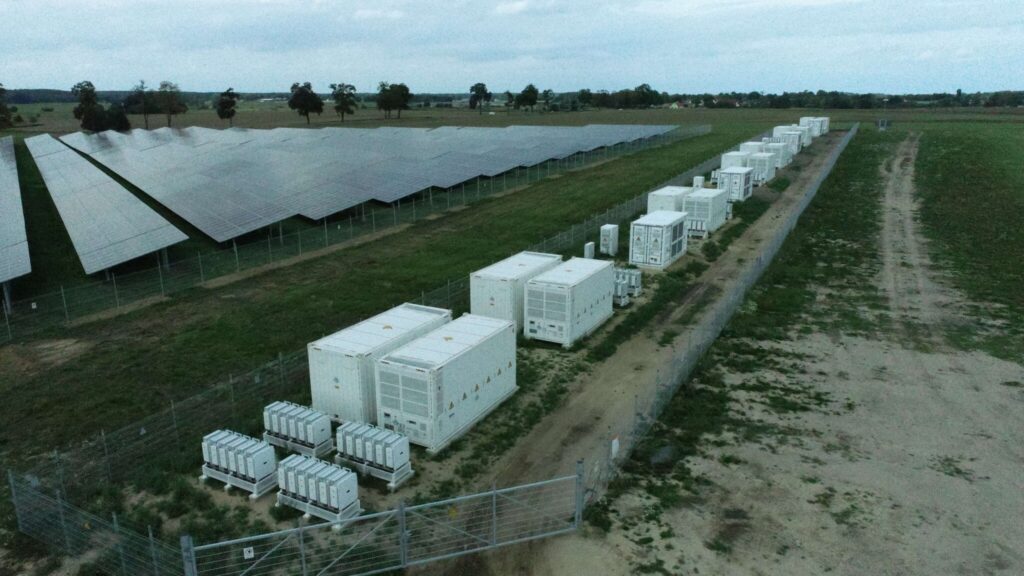
As lithium iron phosphate (LFP) batteries dominate new storage deployments, the industry is struggling with state-of-charge inaccuracies.
ACCURE Battery Intelligence finds that these estimation errors can cost battery energy storage system operators more than $1 million per GWh annually in dynamic markets like ERCOT. Because LFP batteries have a flat voltage curve, it is difficult for standard management systems to provide a reliable view of available energy, leading operators to maintain conservative buffers that leave tradable energy unused.
Furthermore, PowerUp reports that 75% of utility-scale battery sites show early signals of HVAC-related thermal anomalies. These cooling failures can lead to thermal runaway if unmanaged, making early anomaly detection essential for both safety and asset availability.
From pv magazine USA
Written by





Popular Posts