Betting on batteries: addressing intermittent inefficiencies at scale
As shockwaves from the Iran war continue to ripple through global oil and gas markets, countries across Europe have experienced soaring energy prices. Here in the UK, the average consumer’s power bill price cap has already spiked 18% per year, while businesses are experiencing increases of up to 80%.
At the same time, Spain has been largely insulated from the same supply chain disruptions. Over the last six years, it has invested heavily in renewables – predominantly wind and solar – reducing the influence of fossil generators on its electricity price by 75% since 2019. Many renewables also offer a differentiated source of domestically produced power, which reinforces energy independence and security while hedging against single-source supply chain shocks.
This is yet another proof point that weather-dependent renewables are grid gamechangers, but it’s important to acknowledge that they cannot address all of the challenges we are trying to solve in the UK. We need to keep investing in the wider system.
A high-renewables grid: managing variability with flexibility
Not only do weather-dependent renewables support energy security, but they’re now cost competitive with fossil fuels. However, because intermittent renewables are dependent on external forces like wind and sunshine, they need complementary sources of flexibility to keep supply and demand balanced in real time to address:
Oversupply and curtailment. When the sun is shining and the wind is blowing at full force, energy generation sometimes exceeds demand and/or grid capacity limitations. As a result, the UK spends more than £1 billion annually on curtailment, where the government pays generators to reduce or turn off output during these periods.
Undersupply and “Dunkelflaute” risk. The weather patterns that hinder wind and solar often offset each other, but sometimes both can falter at the same time. This occurrence – referred to via the German term “Dunkelflaute” – is more likely to occur in the winter, resulting in supply drops right when demand to heat and power homes is at its highest.
Day-to-day swings. In a typical day, intermittent renewables have periods of high and low production. At the same time, demand also has high and low periods. These supply low points often correlate with periods of high demand; for example, as solar generation falls away with the sunset, at-home lighting and appliance usage ramps up. This can result in grid strain and higher energy prices during the times when power is needed most but renewables are less available.
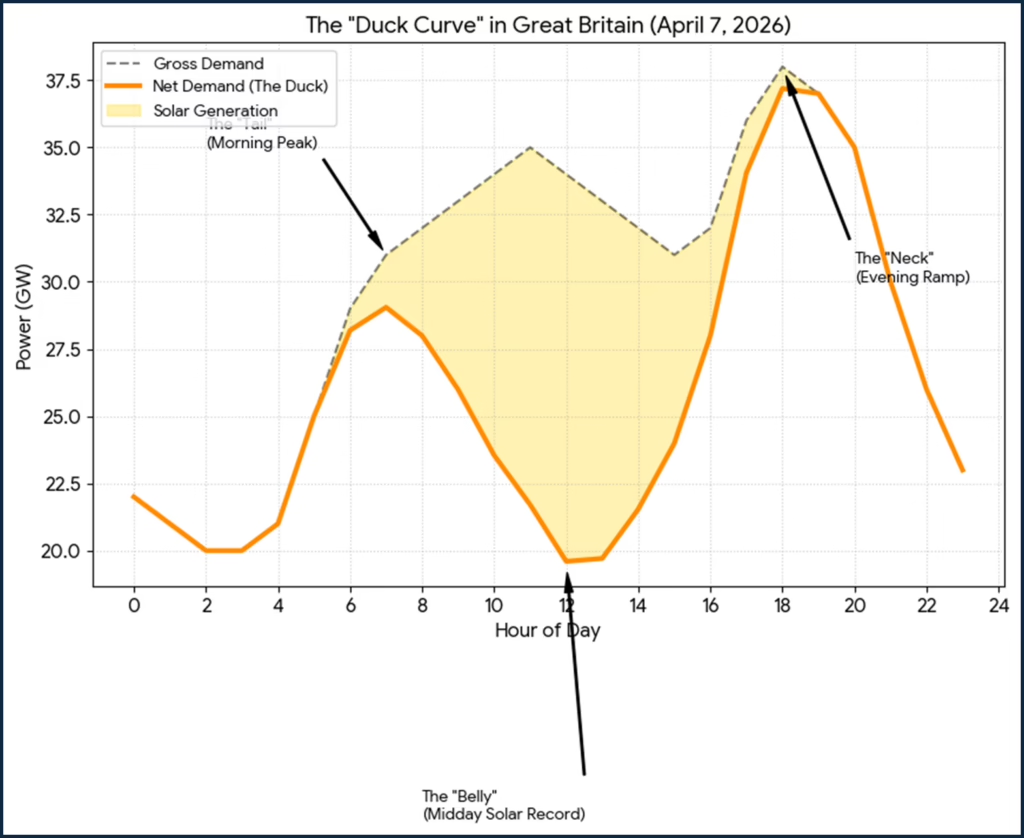
The “Duck Curve” is an industry term that refers to the shape created by the peaks and troughs of contrasting energy demand and intermittent renewable energy supply. The chart above visualizes the typical “duck” shape: a high morning peak (the tail), a deep midday dip (the belly) caused by record solar, and a steep evening ramp (the neck) as the sun sets and household demand spikes.
From national security to data security, the UK relies on consistent access to responsible, affordable power. Managing these swings is an integration challenge – not a reason to slow renewables. It’s a reason to accelerate the tools that make a high-renewables grid work to solve inefficiencies and unpredictability that can undermine the system, particularly during times of stress.
Balancing – not compensating for – intermittent volatility
Baseload generation is another key ingredient to stabilise the grid, helping to compensate for these supply swings. While this foundational support has traditionally been supplied through fossil fuels like coal, the UK has moved to more responsible alternatives like natural gas and sustainable biomass to anchor grid fluctuations.
Baseload generation supports grid stability, and weather dependent renewables are also essential but together they still cannot directly address when clean power is produced at the “wrong” time or the “wrong” place. This is where energy storage steps in.
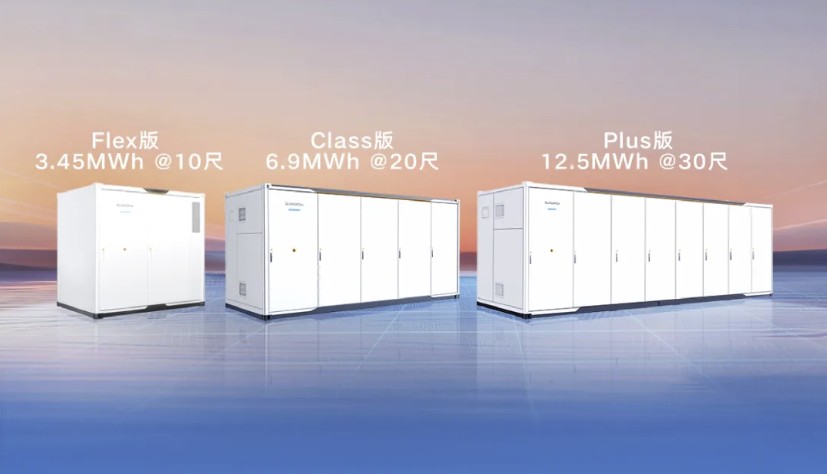
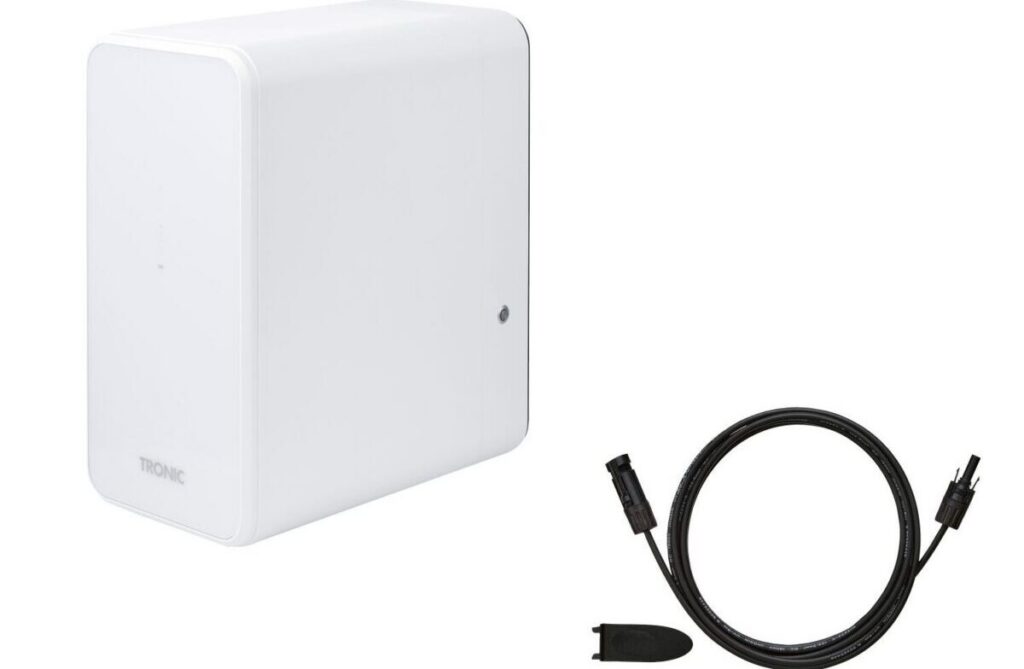
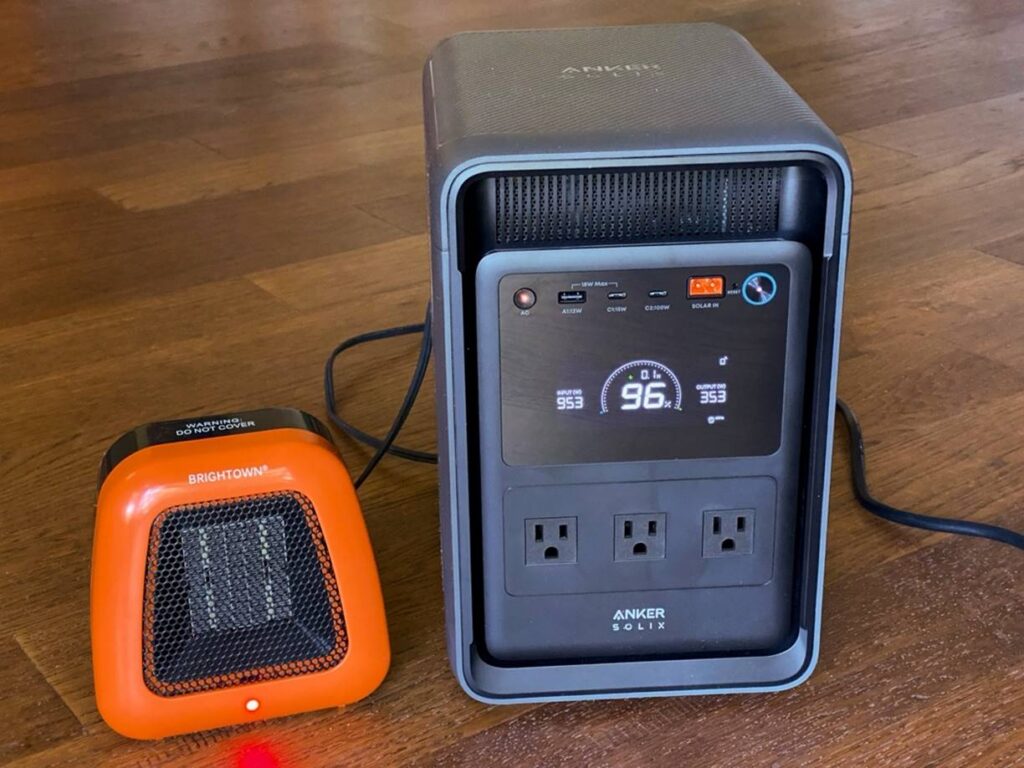
Energy storage, including batteries, pumped hydro, thermal, and chemical solutions, complements intermittent power generation. These technologies can capture excess clean energy when generation is high and deploy it when supply is low, balancing supply and demand and helping flatten the duck curve. Energy storage solutions can extend the benefits of clean power generation and supply, meeting peak demand even when they’re not actively generating power, all while reducing reliance on baseload generation.
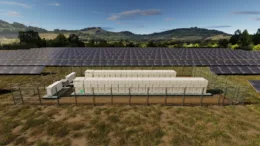
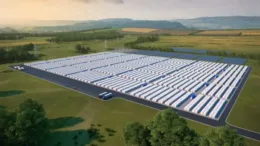
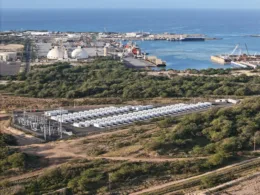
The UK plans to double its energy storage by 2030, and Drax is investing in new battery storage projects in the UK accordingly. Building from Drax’s existing long-term hydro storage assets, the company is investing in new projects in the UK to bolster its battery storage portfolio and improve energy security.
Looking to the future, long-duration energy storage (LDES) batteries also have a key role to play. Current economic and market structures favour lithium-ion-based short-term batteries, but it’s only a matter of time until long-term battery technologies become more efficient and affordable, and the rate of adoption is expected to grow exponentially as a result.
Recent geopolitical conflicts have reiterated the importance of a diversified, balanced energy system. Nations that adapt toward a system built on flexible generation and storage – designed to deliver reliability, affordability, and sustainability while insulating against future shocks – will have a clear advantage, both today and in years to come. We believe there is no better time than now to bet on batteries as part of the UK’s evolution to a more flexible energy system.
Paul Sheffield is Chief Commercial Officer at Drax.
Written by

Comments




Popular Posts