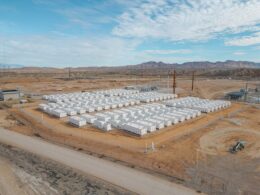
CATL opens large-scale energy storage validation platform in Xiamen

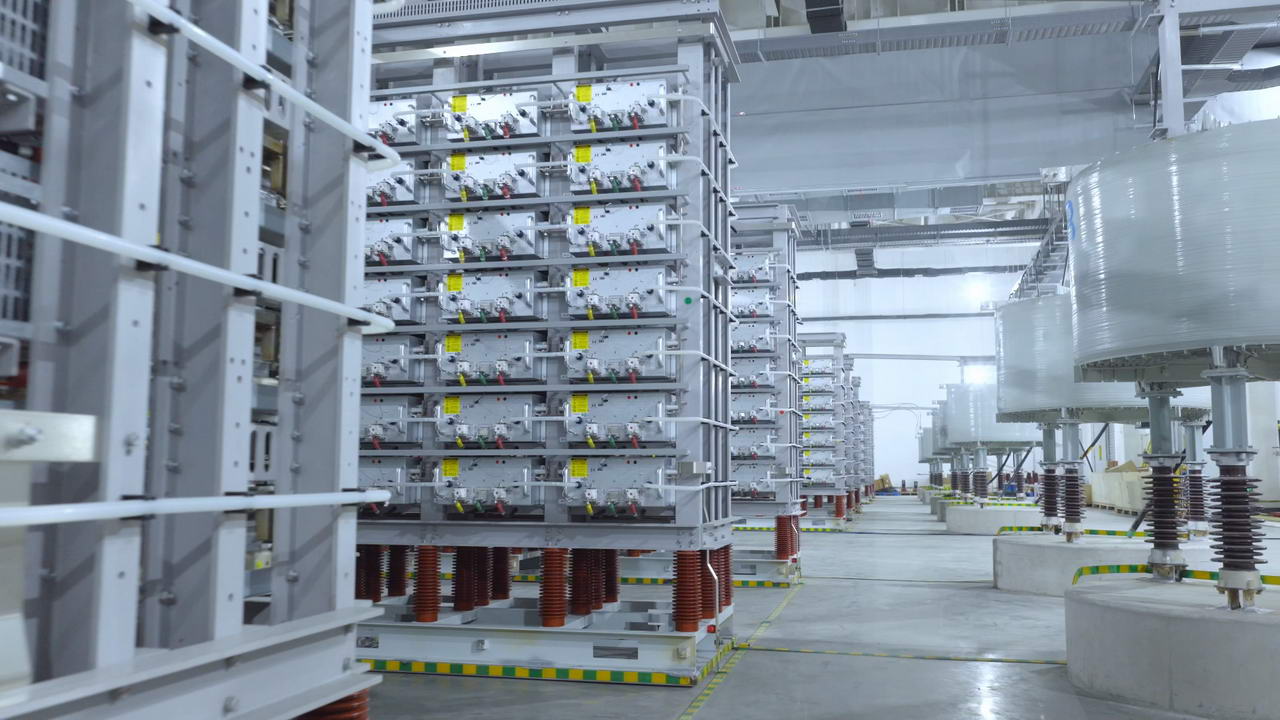
CATL has officially opened its Xiamen Energy Storage Validation Research Institute, or ESVL, a large-scale testing and validation platform for battery energy storage systems.
The facility, located in Xiamen, China, covers 10 hectares and represents an investment of about CNY 3 billion ($440 million). CATL described ESVL as an open testing infrastructure for the global energy storage industry, designed to support full-system and station-level validation before project deployment.
The launch comes as large-scale storage projects face growing pressure to prove safety, grid compatibility and long-term reliability under real operating conditions. CATL said validation in the sector has often remained focused on components or limited scenarios, while energy storage systems are increasingly being deployed as grid infrastructure assets.
ESVL is built around five core laboratories. Its station-level grid integration laboratory includes a 35 kV/100 MVA grid simulator and a real-time simulator. CATL said the platform can test more than 10 large-scale energy storage containers at the same time, simulate 1,000-node grid topologies, and cover a frequency range from 15 Hz to 60 Hz. The lab is intended to verify grid-forming capability and multi-unit coordination under complex grid conditions.
The high-voltage safety laboratory covers 1 kV to 500 kV and is designed to investigate failure mechanisms under lightning impulse, power-frequency, DC withstand-voltage and partial-discharge conditions. CATL said the facility will help identify safety boundaries for key components and complete systems.
The thermal safety and combustion laboratory includes a 20 MW calorimeter and 100,000 cubic meters of indoor combustion space. It can perform explosion testing on nine large energy storage containers simultaneously, providing data for safety spacing, project layout and system design optimization.
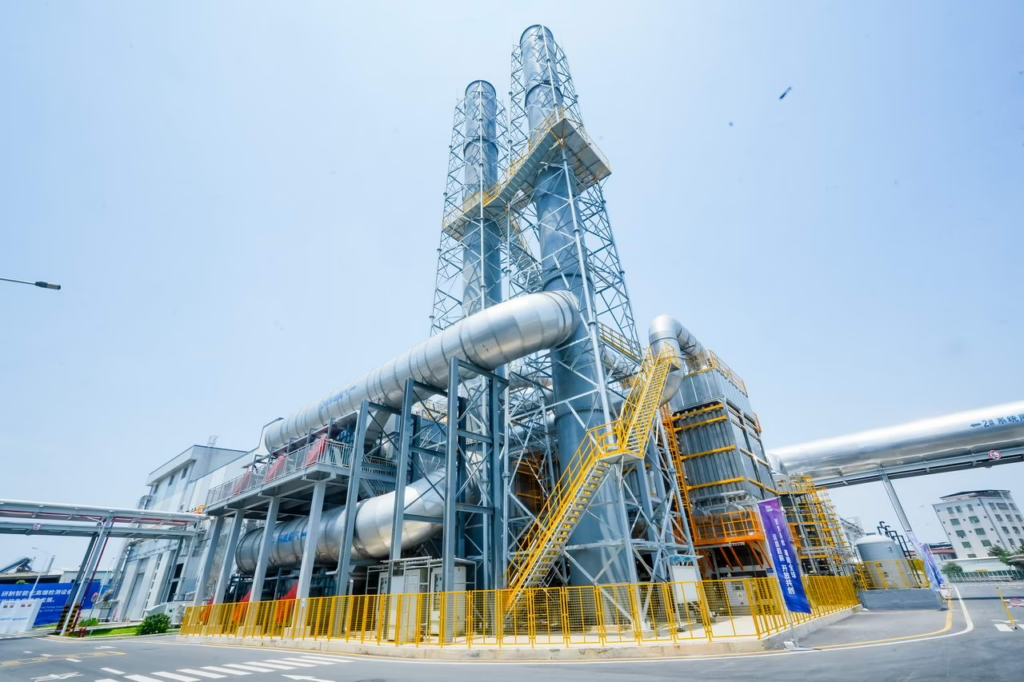
The environmental reliability laboratory can test complete storage containers under temperatures ranging from -50 C to 100 C, as well as simulated high-altitude pressure conditions up to 7,200 meters. It also includes climate, salt spray, rain and sand chambers to assess system performance in deserts, coastal areas, high-altitude regions and other harsh environments.
The electromagnetic compatibility laboratory can accommodate a full 40-foot container and is equipped with a 65-ton turntable and a 5 MW power supply. CATL said it can conduct EMC testing in an anechoic chamber under real high-power charge and discharge conditions.
CATL said ESVL will work with certification bodies including TÜV SÜD, TÜV Rheinland, CGC and CSA to provide “one-test, multi-witness” services. The company said the platform is intended to generate traceable, real-world validation data that can support regulators, insurers, financial institutions and project developers.
The company linked the new institute to its broader energy storage expansion. CATL said its energy storage battery sales reached 121 GWh in 2025, giving it a global market share of 30.4% and the top position in the sector for the fifth consecutive year. According to CATL, the platform is intended to move energy storage validation from product-level testing to project-level evidence. It also reflects the growing validation requirements from bankability, insurability and grid compliance as storage projects move into larger, more complex applications.
Written by
Comments




Popular Posts