Flatland 800 MWh BESS goes online in Arizona as Waymo launches EV reuse deal

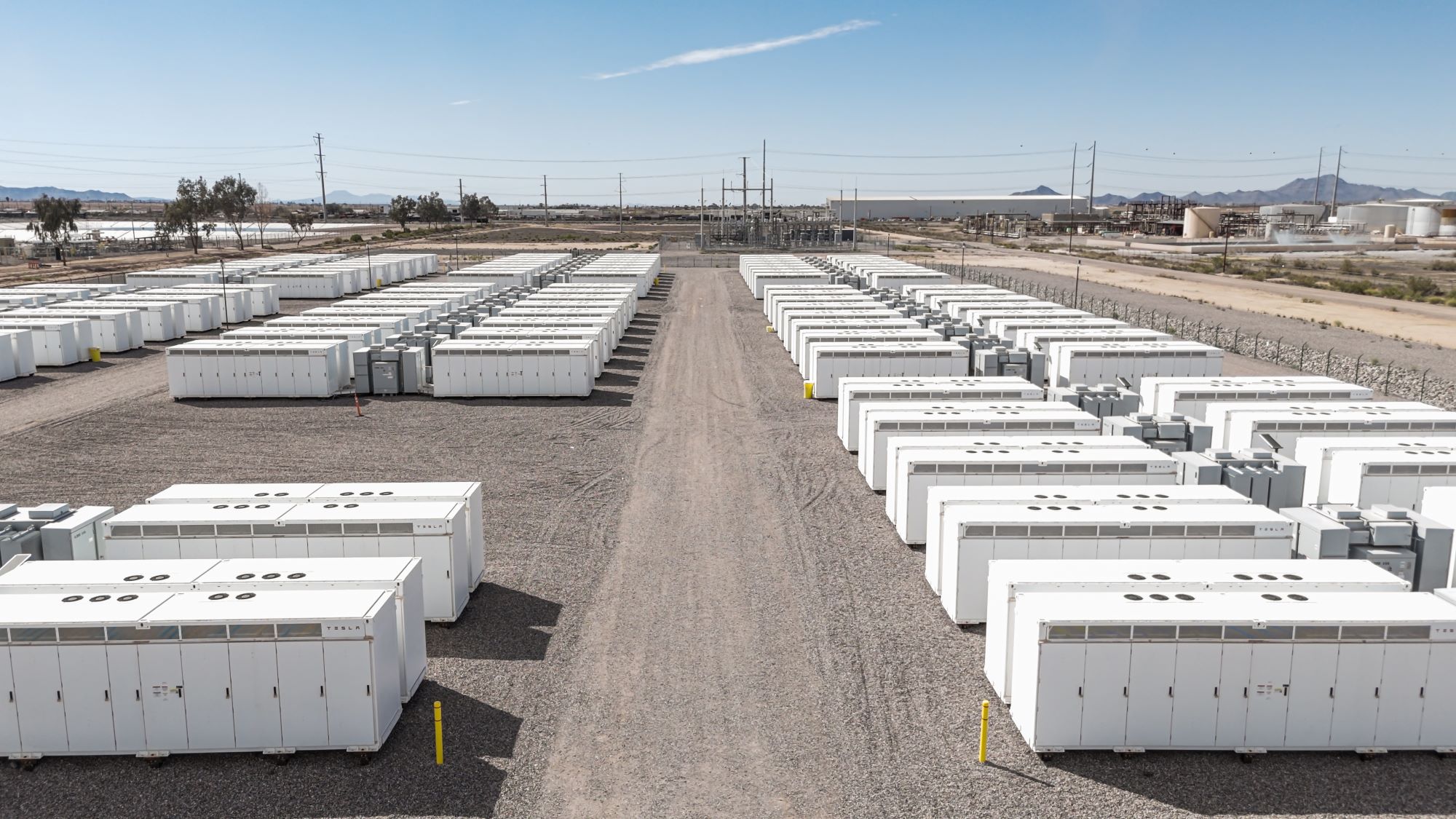
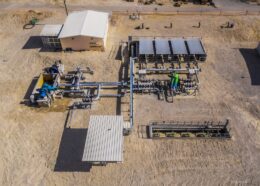
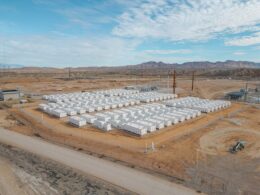
Arizona has successfully completed another big battery project with the addition of the 200 MW/800 MWh Flatland Energy Storage BESS to its energy mix. Developed by not-for-profit public power utility Salt River Project (SRP) and the North American branch of global utility company EDP Renewables, Flatland Energy Storage has the capacity to power around 44,500 homes in Arizona.
Both developers emphasized the project’s benefits for the local area. SRP, which serves more than two million people in central Arizona, said the Flatland Energy Storage facility will provide “reliable, affordable, and sustainable power”, while EDP Group CEO Miguel Stilwell d’Andrade said it would strengthen grid stability and support more reliable system performance.
The CEO also said that the project is the largest within the EDP Group to date. EDP North America has around 600 MW of gross operating capacity across solar and storage in Arizona, powering the equivalent of more than 113,000 homes.
EDP Renewables, which has its global headquarters in Madrid, has projects all over the world. In November 2025, its Australia division teamed up with the Queensland Investment Corporation to deliver a solar-and-storage project featuring 1.6 MWh of BESS.
SRP committed to plans to further energy storage development in Arizona. Bobby Olsen, SRP associate general manager and chief power system executive, said: “SRP will continue to invest in battery energy storage resources as part of its growing resource portfolio.”
In the meantime, the Flatland Energy Storage facility represents more than €17.3 million ($19.9 million) in local and regional economic impact over its lifetime, including revenue to local government to support public services and infrastructure.
Arizona is an attractive location for energy storage developers, with a lot of big projects located in the region thanks to its abundance of solar generation which needs to be stored.
In July 2025, Canadian Solar subsidiary Recurrent Energy commissioned its 1.2 GWh Papago Storage facility near Phoenix, one of the biggest BESS projects in Arizona to date. Other big developers active in the state include CIP, Invenergy, Fluence, GridStor, EDF Renewables, and Strata.
Driving grid flexibility
Meanwhile, B2U Storage Solutions is taking a different approach to grid-scale batteries by teaming up with self-driving car company Waymo to repurpose Waymo’s old electric vehicle (EV) batteries as second-life standalone batteries.
Los Angeles-based B2U Storage Solutions repurposes EV batteries at its Lancaster facility, and according to its CEO, Freeman Hall, the Waymo partnership will support the expansion of its efforts across the United States.
“By extending the use of these batteries as grid storage, we are monetizing the full potential of EV batteries, now providing crucial stability to the power grid as energy demand continues to grow,” said Hall.
“Our shared fleet of EVs provide a massive opportunity to support the growth of clean energy on the electricity grid while expanding the circular economy,” said Adam Lenz, head of sustainability and environment at Waymo. “Through this partnership, we can repurpose our batteries for local grid storage and ensure our batteries continue to provide economic and environmental value to the community long after they’ve retired from the road.”
Written by


Popular Posts