EDF launches VPP combining batteries and hydropower in France


EDF Power Solutions has commissioned the Stockage Énergie Catalan (SEC) virtual power plant in Baixas, in southern France’s Pyrénées-Orientales department. The project combines battery storage and hydropower to deliver real-time frequency regulation and grid support services.
With a total capacity of 28 MW, the installation integrates 20 MW of lithium-ion battery storage with 8 MW supplied by 10 run-of-river hydropower plants located across southern France.
Rather than operating as a conventional power plant, SEC functions as a virtual power plant (VPP), coordinating multiple assets through a digital platform that enables them to act as a single flexible resource.
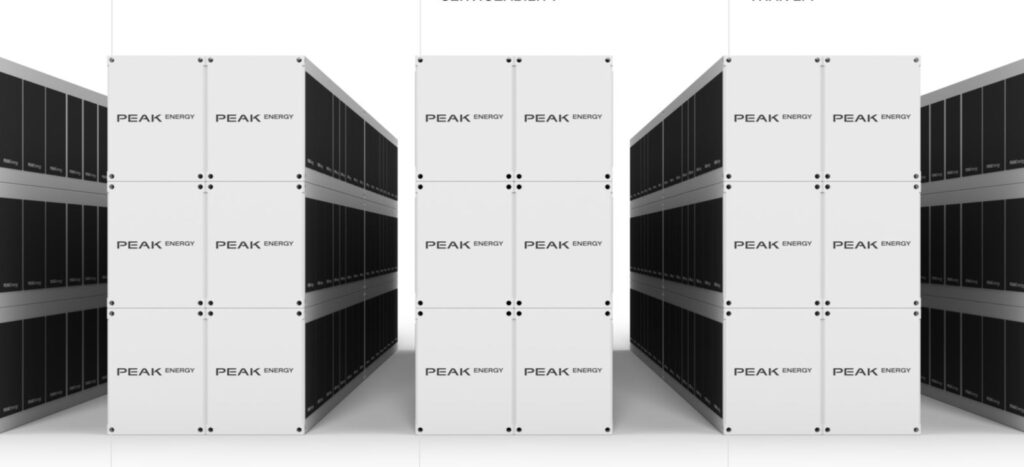
The system combines four battery containers located in Baixas with hydropower facilities operated by EDF Hydro. An energy management platform developed by EDF’s research and development teams monitors available capacity, battery state of charge, and grid requirements in real time.
According to EDF, SEC is the company’s first battery storage installation in mainland France.
The project’s primary role is to support frequency stability on the French electricity system operated by transmission system operator RTE, acting as an ultra-fast reserve capable of injecting or absorbing power almost instantly.
EDF said the system can respond to an RTE signal within 500 milliseconds, reach full output within 30 seconds, sustain the service for up to 15 minutes, and either inject or absorb electricity depending on grid requirements.
The operating sequence is designed to exploit the strengths of both technologies. Batteries provide an almost instantaneous response to disturbances, while the hydropower plants progressively take over delivery of the service over longer periods.
EDF said the coordinated control architecture uses advanced algorithms to maximise the complementarity of the two resources. Catherine Bourg, storage coordinator at EDF Power Solutions, said the project’s distinguishing feature lies in this combination.
The project demonstrates how digital coordination and hybridisation of technologies can reshape power system operations, enabling geographically dispersed batteries and hydropower assets to function as a flexible resource capable of reacting within fractions of a second to grid events.
From pv magazine España
More about
Written by



Popular Posts