Solar-driven volatility strengthens case for battery storage in Europe

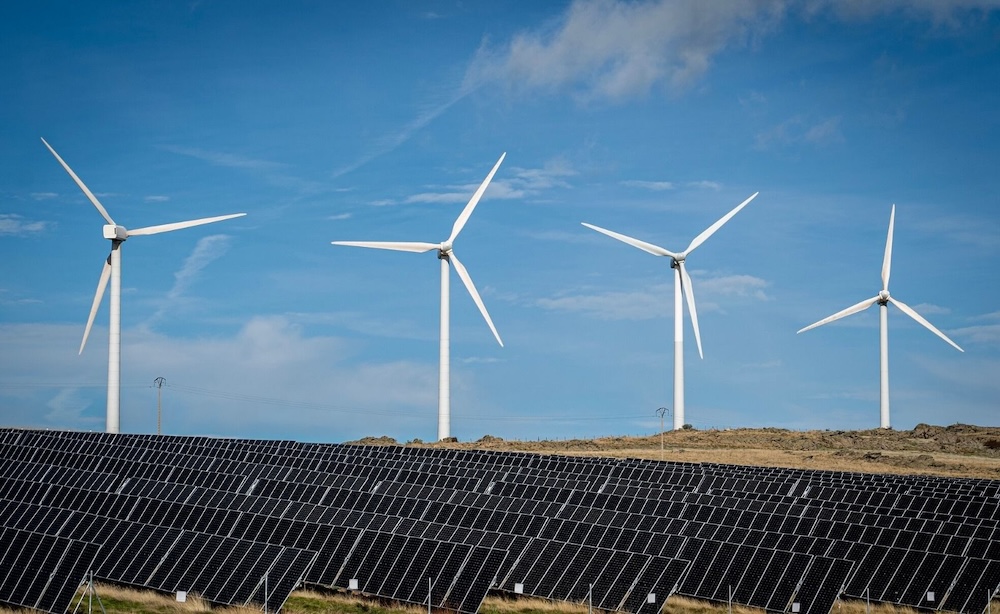
Europe’s electricity markets could face greater volatility in the third quarter of 2026 as weather conditions, high solar output, and limited flexibility resources widen the gap between midday renewable generation and evening demand peaks.
Energy intelligence firm Montel said it expects a higher probability of heat waves in western and central Europe during July and August, combined with strong solar irradiation and low wind generation that could keep photovoltaic output above seasonal averages.
In Germany, Europe’s largest electricity market, solar generation could reach up to 20% above normal levels if weather conditions similar to those recorded in June return. Montel said this could lead to further periods of deeply negative midday prices, followed by sharp evening price increases as solar output declines and dispatchable generation is needed to meet cooling demand.
The market outlook is also being shaped by continued uncertainty around liquefied natural gas supplies and tensions in the Middle East, according to Montel. These factors are supporting gas prices and maintaining a floor under electricity prices during periods of high demand.
Flexible generators and battery storage operators are likely to continue shifting away from day-ahead auctions when the risk of negative prices rises, Montel said. By prioritizing intraday, balancing, and ancillary service markets, flexible assets could reduce liquidity in day-ahead markets and contribute to larger price swings.
Montel identifies southeastern Europe as particularly vulnerable during extreme heat events. In June, high temperatures forced a reduction in output from Hungary’s Paks nuclear power plant, demonstrating how local supply constraints can quickly translate into higher prices.
Markets in southern Europe with high solar penetration and limited interconnection capacity could experience the largest price swings. Regions with greater hydropower capacity, gas flexibility, or stronger interconnections are likely to be better protected, although they remain exposed to similar market pressures.
From pv magazine España
More about
Written by
Comments




Popular Posts