China’s battery boom pivoting from scale to utilization, says Ember

China’s battery energy storage sector is moving from policy-mandated capacity expansion toward market integration, according to a new report by Ember.
The energy think tank said this shift follows the release of Document 136, a February 2025 policy from China’s National Development and Reform Commission (NDRC) and National Energy Administration (NEA) that ended the requirement for new wind and solar projects to co-locate battery storage.
China set a new national target in June 2026 under its 15th Five-Year Plan to deploy 300 GW of new energy storage by 2030, according to Ember, which cited the plan as having been issued jointly by the NDRC and NEA.
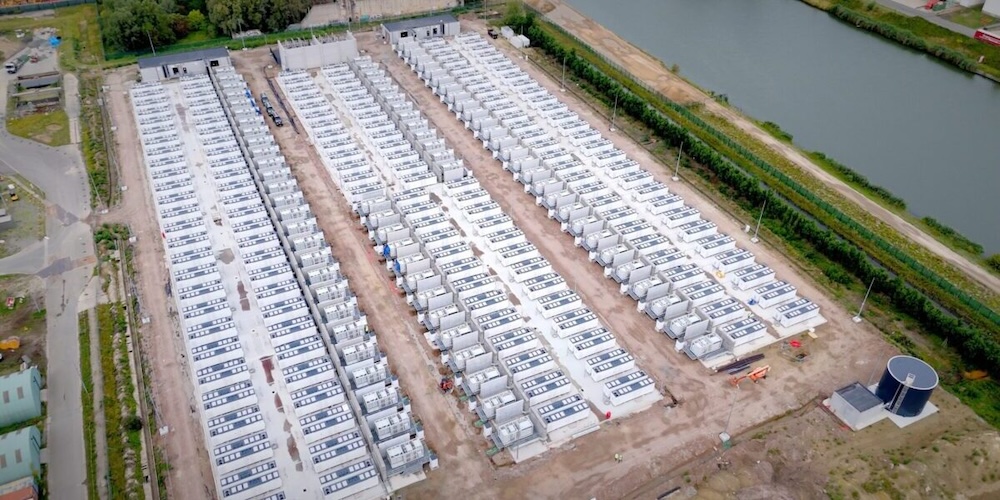
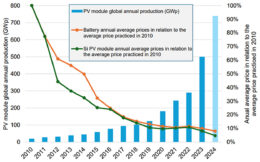
Ember said China’s total installed lithium-ion battery storage capacity reached almost 150 GW by the first quarter of 2026, accounting for more than half of global BESS capacity by the end of 2025, up from just over 20% in 2021. The report said standalone battery storage systems, which operate independently and can participate directly in power markets, accounted for 84.7% of new installed capacity between January and April 2026, while renewable co-located systems accounted for 8.4%.
London-based Ember said renewable co-located battery storage has historically run fewer annual charge-discharge cycles than standalone systems. This is a gap that the policy institute attributed to co-located batteries’ more limited dispatch flexibility, rigid operational patterns and restricted revenue streams.
Ember said the shift is being reinforced by the expansion of capacity remuneration mechanisms to include battery storage, alongside efforts to allow the same battery assets to participate in both spot power and ancillary service markets simultaneously in some provinces.
“China has built the world’s largest battery storage fleet in record time – but having the batteries is not the same as using them,” said Biqing Yang, energy analyst for Asia at Ember. “The next phase of China’s storage story will be defined not by how many gigawatts are added, but by how well they can support the new power system.”
More about
Written by
Comments




Popular Posts