Interview with ESS Inc CEO Drew Buckley

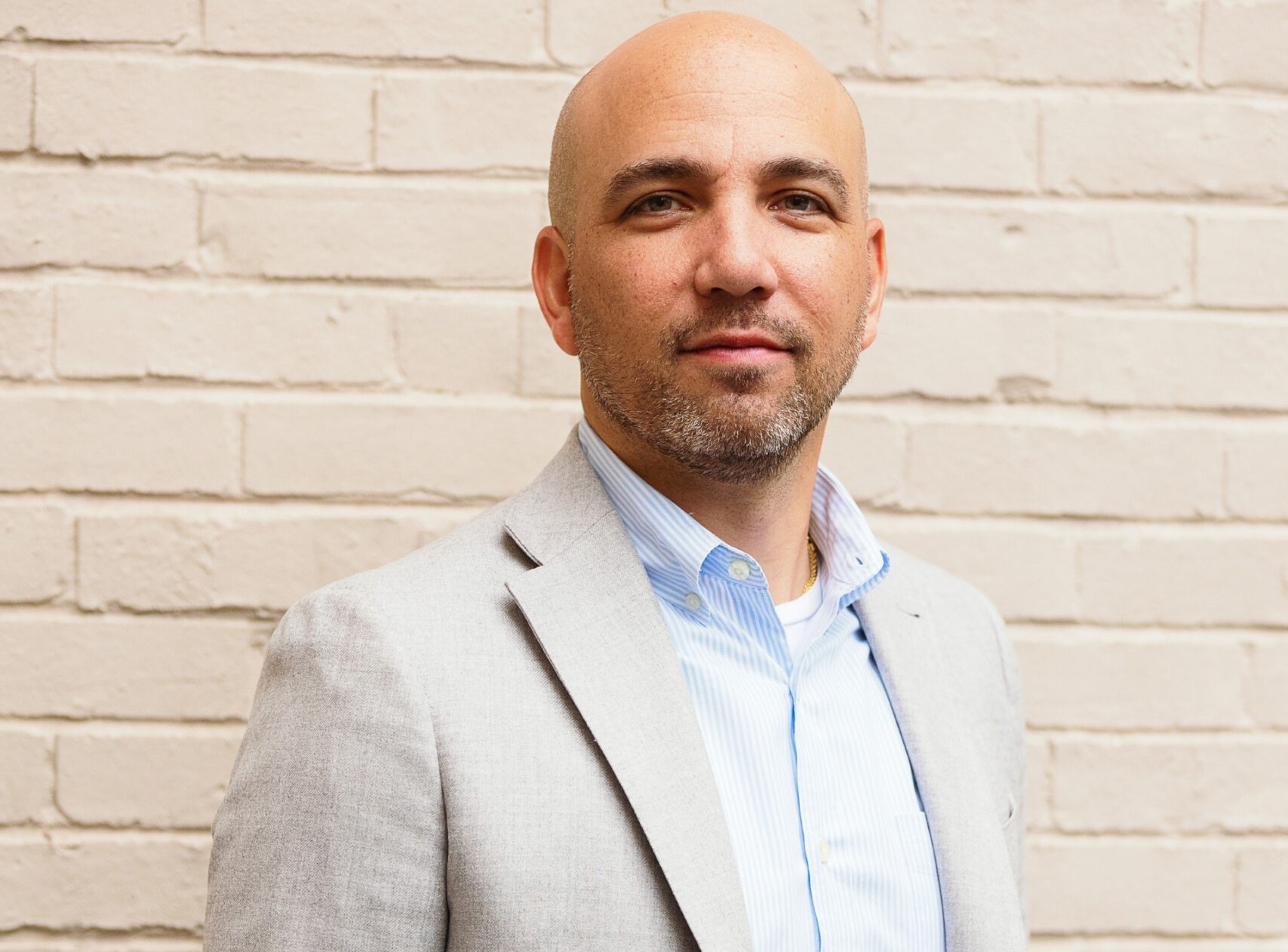
ESS News: To start, could you provide a sort of ‘state of the nation’ for 2026? How is demand evolving and how is ESS Inc responding?
Drew Buckley: 2026 has been a year of significant change at ESS Inc. We’ve strengthened our leadership team with industry veterans, expanded our technology platform, and sharpened our focus on markets where we see the greatest opportunity for differentiation and growth.
A critical part of that strategy has been the addition of sodium-ion to our solutions portfolio. We are leveraging our expertise bringing newly-commercialized technologies to market by integrating sodium cells into complete DC and AC storage solutions. That gives us access to much larger short- and medium-duration energy storage markets. At the same time, the company continues to position its iron flow technology as a long-duration solution, resulting in a complementary portfolio.
Customer interest in the new sodium solutions has been phenomenal. Only a few weeks after announcing a cell agreement with Alsym Energy, ESS announced it had identified nearly $1 billion in early-stage opportunities for the sodium solution. We also announced a 500 MWh LOI, which includes an 80-MWh project in California with a major utility, as a part of an agreement with Juniper Energy.
We’re seeing interest from data center operators, utilities and critical infrastructure customers, particularly around solutions that can offer safety advantages, a US-based supply-chain and the flexibility to address different duration requirements.
Operationally, ESS has also aggressively sought to reduce and control costs and has reallocated its capital according to our new strategy.
You have described sodium-ion and iron flow as complementary technologies. However, executing on dual technology tracks presents significant operational and capital challenges. How are you balancing these segments, and is one currently taking priority over the other?
While we believe iron flow and sodium-ion are complementary, the company expects to access a much bigger total market as well as recognize revenue faster with its sodium solutions. Iron flow remains strategically important to access the long-duration market, but our experience has made clear that we need a more disciplined approach to commercialization, one that balances customer demand with the economics and capital requirements of the business. ESS still intends to commercialize its iron flow energy storage solutions but will do so at a more measured pace and target specific markets and use cases where it truly makes sense, for example, in regions that with high renewable penetration 20-plus hour storage can provide value to the grid. ESS acquired the IP of Voltstorage, a promising flow technology developer, earlier this year and has plans to integrate that IP along with additional learnings as we evaluate timing for commercial deployment.
Capital management is a critical factor for the industry right now. What is the company’s current liquidity position and burn rate, and what adjustments are you making to your financial strategy in the coming months?
ESS reported $5.6 million of unrestricted cash and cash equivalents in our most recent quarterly report, along with approximately $3.2 million raised through a direct offering earlier this month. Liquidity remains a critical focus for the company, and we are taking a disciplined approach to managing cash and aligning spending with our commercial objectives.
We’ve made significant changes to the business that we expect to improve our capital efficiency. We are focused on the sodium-ion opportunity, advancing Bridge toward commercial deployment, and taking a more measured approach to iron flow. The objective is to create a business that can grow from a stronger financial and operational foundation.
Early results have been very positive. We haven’t seen this much traction in the market in some time – maybe ever. We believe the demonstrable steps we have taken to transform our business are real, and we remain bullish on our long-term prospects.
Can we get more concrete timelines for some of the recent announcements? For example, the Bridge rollout hasn’t had explicit availability dates attached, aside from the Juniper agreement targeting 2027. Are there any updates here?
ESS is already testing its first Bridge modules and expects to begin the required certifications process by year-end. We intend to deliver both pilot and commercial projects in 2027. We are aligning our design, engineering, and early-stage manufacturing capacity to deliver for Juniper, and other expected projects, while building towards larger-scale deployments later in 2027. That scale-up is important because the customer response we’re seeing today creates the potential for significantly greater demand in 2028 and beyond.
Regarding the recent non-binding letter of intent for a business combination, the initial announcement was notably brief and omitted the partner’s identity. What was the rationale behind releasing the LOI at this early stage, and what strategic value does this combination aim to secure?
The announcement reflected where we were in the process at the time. As a public company, we believed it was important to communicate the existence of the proposed transaction while being careful not to disclose information that remained confidential or was still subject to negotiation. We have since provided additional color.
The proposed LOI combines two companies with complementary expertise. The combined company is expected to have a market capitalization of approximately $515 million, with ESS shareholders owning approximately 5% to 10% of the combined company following the transaction. The transaction is expected to provide ESS stockholders with value at a premium to our market capitalization.
While we are limited in what we can disclose, the partner is an adjacent technology company in the energy space. They have meaningful scale and have been commercially active for several years.
The combination would give us scale immediately, which is extremely important in this business. Scale can enable us to move faster through product development, accelerate delivery, and improve our ability to meet customer demand.
We approached this proposal with a clear focus on creating a combination that creates a stronger platform than either company could achieve on its own. Although we cannot provide assurance it will be completed, we are working on a final agreement and expect to have something definitive by the end of September.
What is the core message you want the industry to take away regarding the future trajectory of the business?
ESS is a fundamentally different company than it was even at the beginning of the year. We’ve expanded our technology platform, sharpened our market focus and established a clearer path toward commercial scale. We have identified significant early-stage demand for our sodium-ion solutions, secured specific customer commitments, and are building the partnerships, manufacturing capabilities and infrastructure needed to serve that demand. At the same time, we’re taking a more capital efficient approach to our iron flow technology and long-duration market opportunity.
There is still a lot of work yet to be done, but we believe the strategy we’re executing today puts ESS in a much stronger position to build a sustainable energy storage business.
Written by
Popular Posts