UL Solutions launches certification program for bidirectional EV storage

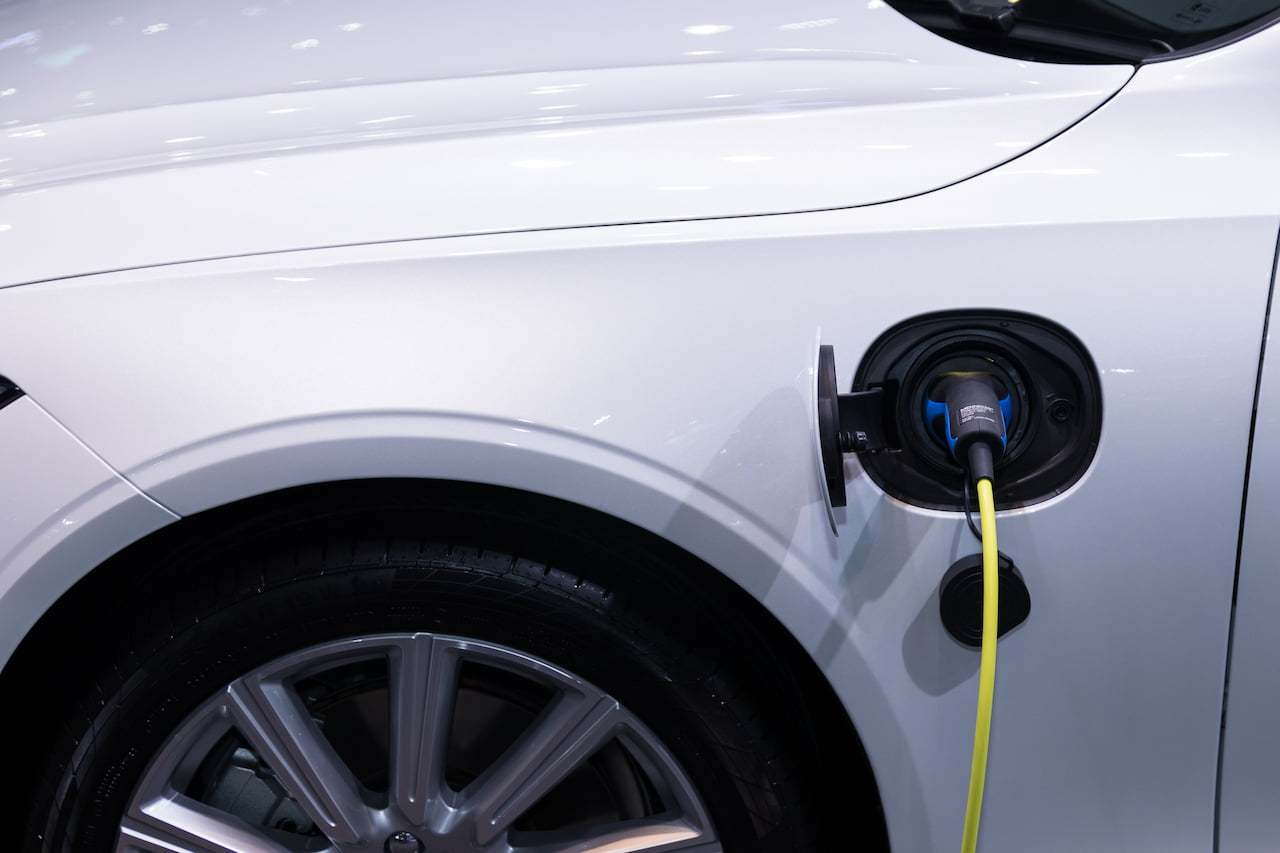
L Solutions, the commercial arm of UL Enterprise, has launched a new certification program for vehicle-to-grid (V2G) technologies based on the recently-issued UL 1741 Supplement SC standard, opening up formal compliance testing for BEVSE.
The testing and certification services, now available at UL Solutions facilities in Fremont, California, and Northbrook, Illinois, evaluate BEVSE designed to create an AC connection between a home’s wiring and an electric vehicle, acting as an “oversight supervisor” of the connection between the car and the electric grid.
This AC-based functionality is distinct from existing DC bidirectional charging products on the market from suppliers like dcbel, Sigenergy and Wallbox.
While those solutions rely on a DC connection between an electric vehicle and external inverter that bypasses the car’s built-in inverter, equipment certified under UL 1741 SC is meant to work alongside cars with bidirectional-certified inverters.
By eliminating the need for an external inverter, the new standard is likely to result in bidirectional EV charging equipment that is significantly less expensive than the DC solutions currently on the market. This could lead to a rapid expansion of the technology.
“Electric vehicles spend much of their time parked, creating an opportunity for them to perform more than transportation alone,” said Wesley Kwok, vice president and general manager of the Energy and Industrial Automation group at UL Solutions, in the release announcing the certification program. “Vehicle-to-grid technologies can help turn that unused battery capacity into a valuable resource for utilities and communities. Our new certification program helps build confidence that these vehicle-to-grid systems can provide critical electric utility performance while operating safely and reliably.”
Key standards
Developing the regulatory and technical framework for AC-based vehicle-to-grid (V2G-AC) technology has taken over a decade of coordinated effort across the automotive, electrical safety and utility sectors. The process has resulted in standards that allow for interoperability of cars and BEVSE from any manufacturer.
A key piece of the puzzle was the development of the SAE J3072 standard, which sets interconnection requirements for vehicle-integrated onboard inverters. With the finalizing of this standard in 2024, UL Standards & Engagement was able to complete work on the UL 1741 SC standard.
Under older rules, a specific car make and model could be certified to perform V2G-AC capability with a specific charger under the UL 1741 “Multipiece DER Systems” standard, coupled with the UL 9741 Standard for Electric Vehicle Power Export Equipment (EVPE). UL Solutions continues to offer this certification pathway in addition to the new UL 1741 SC certification.
While the United States is just now establishing independent testing pathways for V2G-AC, the technology is already operating in Europe.
Automakers like Renault and BMW have deployed commercial AC bidirectional systems in European countries, paired with specialized low-cost AC wallboxes. Similar municipal AC vehicle-to-grid fleets are already active in Utrecht, the Netherlands, feeding excess solar energy back to local distribution networks.
With testing now officially open under UL Solutions’ program, US utilities, automakers, and hardware vendors have their clearest regulatory path yet toward transforming American EV fleets into distributed power plants.
From pv magazine USA
More about
Written by
Comments

Popular Posts