Australia’s 850 MW Waratah battery reaches full operations
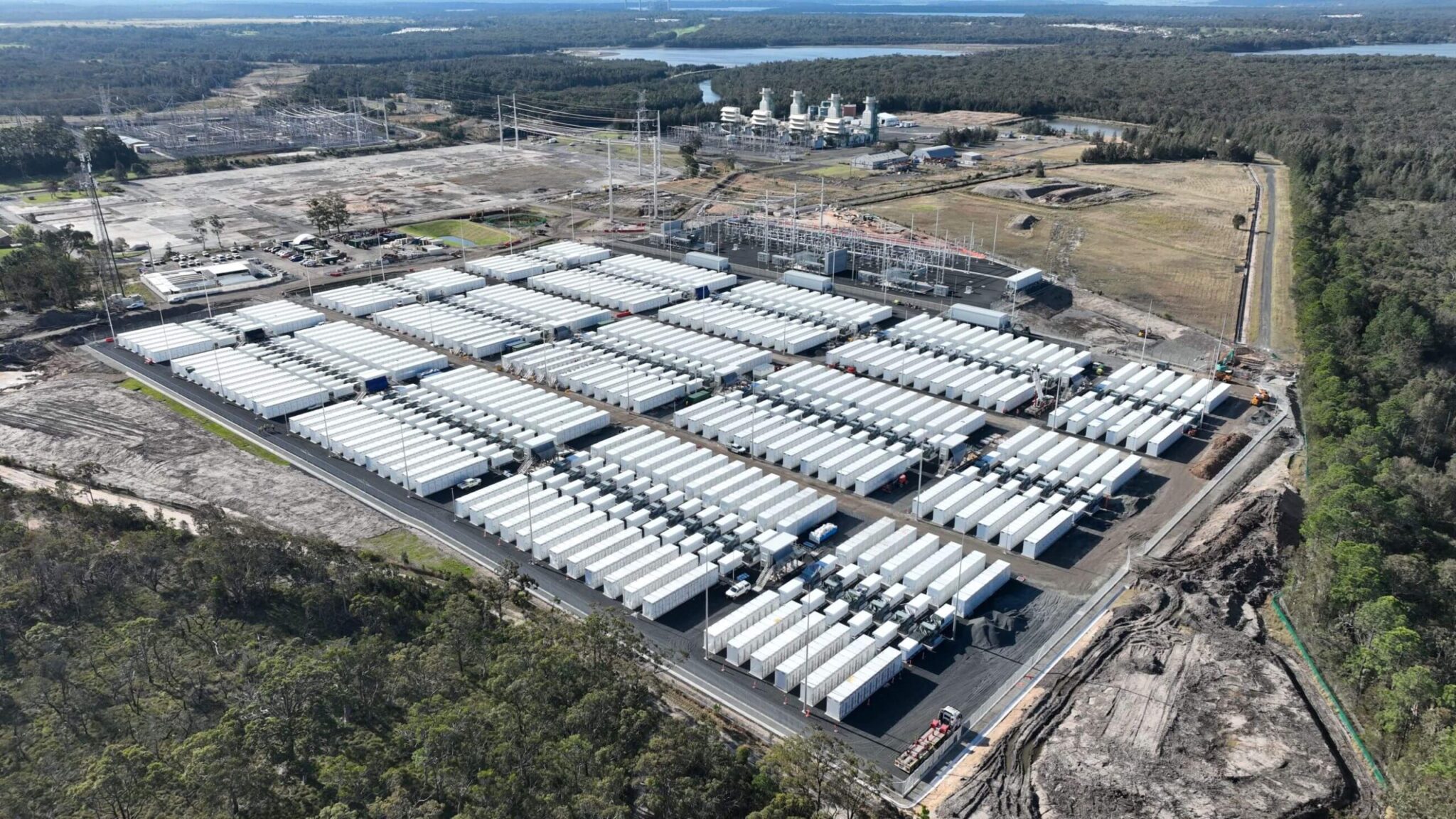
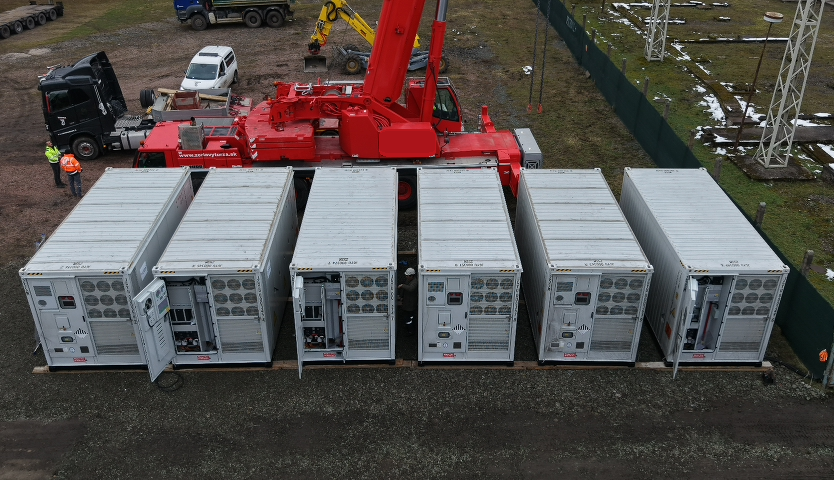
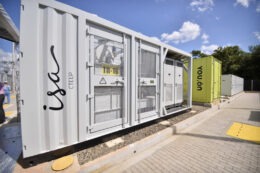
The more-than AUD 1 billion ($700 million) Waratah super battery built by Akaysha Energy on the site of the former Munmorah coal-fired power station on the New South Wales Central Coast has reached full commercial operations.
With a total capacity of 850 MW and storage of 1,680 MWh, the Waratah battery energy storage system (BESS) is set to play a key role in the state’s energy transformation, supporting the growing volume of renewable energy entering the grid and helping to deliver reliable electricity as aging coal-fired power stations retire.
NSW Energy Minister Penny Sharpe has confirmed that the battery has now received approval to operate at full capacity from the Australian Energy Market Operator (AEMO).
“The Waratah Super Battery is a game changer for NSW,” she said. “As aging coal-fired power stations retire, this project will help keep the lights on for homes and businesses while enabling more renewable energy to flow through the grid.”
The BESS forms the foundation of the Waratah Super Battery Project, that also includes a 700 MW/1,400 MWh system integrity protection scheme (SIPS) control system delivered by transmission company Transgrid. Together, the battery and control system are designed to act like a giant shock absorber for the grid, helping keep the system secure when major transmission lines are disrupted. At maximum output, the facility is capable of powering up to 340,000 NSW households at peak demand.
Transgrid CEO Brett Redman said the SIPS control system is the “largest and most innovative” in Australia, capable of detecting network issues in real time and responding in real time, ensuring continuity of power supply for households and businesses.
“The delivery of the Waratah Super Battery provides an additional level of safeguard as coal plants retire and critical transmission infrastructure is built to connect more renewable energy into the Sydney, Illawarra and Hunter load centres,” he said.
The battery was due to commence full operations in late 2025 but a “catastrophic” failure of one of three giant transformers just days from final testing caused a major delay.
Akaysha CEO Nick Carter said the Waratah battery has been a “complex and demanding” project.
“This project tested us in many ways, but the team kept going, solved the problems in front of them, and delivered,” he said, adding it is a test testament to the grit, perseverance, and problem-solving capability of the Akaysha team. “We are proud, grateful and humbled to reach this point, and focused now on the important role Waratah will play in supporting a more reliable, secure and renewable NSW electricity system.”
More about
Written by
Comments