South Korea opens storage subsidy call for community solar villages

The Korea Energy Agency (KEA) said last week that it has launched its 2026 Community Solar program. The initiative supports energy storage systems run by VPP operators in grid-saturated areas.
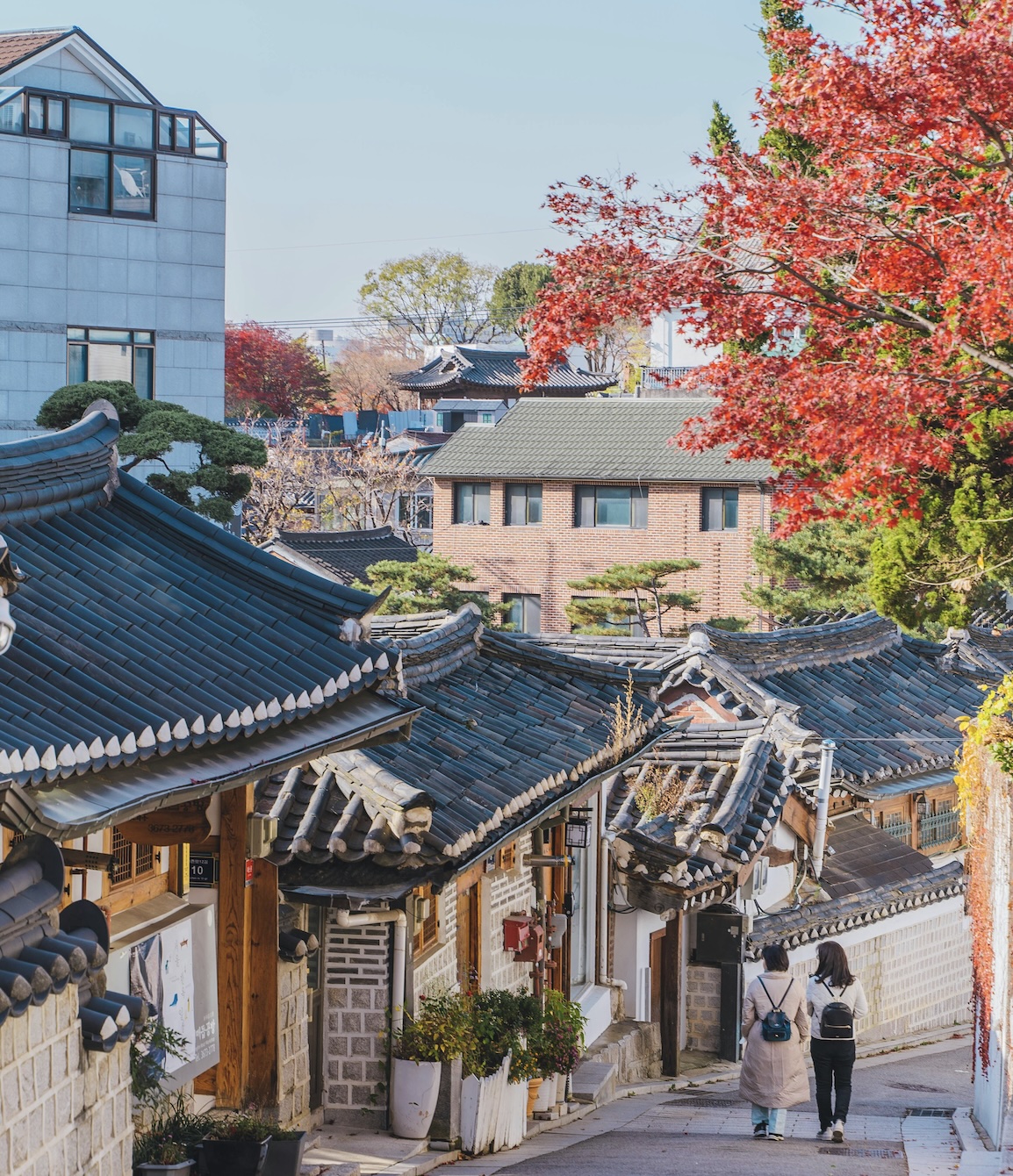
The KEA said the program is intended to help establish “sunlight income villages” in parts of the network that have little spare capacity left for new generation. Under the government’s sunlight income village policy, residents take part in local renewable energy projects, and the generation revenue goes to village welfare and community activities.
The call for proposals runs from Nov. 13 to Dec. 11. The KEA said it will accept applications by email from 9 a.m. on Nov. 16 until 6 p.m. on Dec. 11 (KST). The online notice does not state the program’s budget, subsidy rate or project size limits. The agency has attached the program’s operating rules to the notice, along with a document on the status of distribution lines by region in areas linked to the solar villages.
South Korea selected 86 communities for the scheme from 129 applicants in the first round. A second call drew 617 applications from 116 cities and counties. The Ministry of the Interior and Safety is targeting 700 solar villages in 2026 and 2,500 by 2030 under South Korea’s community solar cooperative push, with financial support covering up to 85% of solar installation costs.
The storage subsidies add to South Korea’s grid-scale procurement. In September, the government tendered 6.6 GWh of six-hour storage under 15-year contracts, and it plans to ease storage container rules as part of a battery deregulation push.
The program also follows South Korea’s launch in July of its first distribution-line energy storage program and a grid overhaul aimed at connecting more than 100 GW of renewables in October. The country is forecast to add 3.5 GW of solar in 2026.
More about
Written by
Comments
Popular Posts