South Korea to ease storage container rules in battery deregulation push

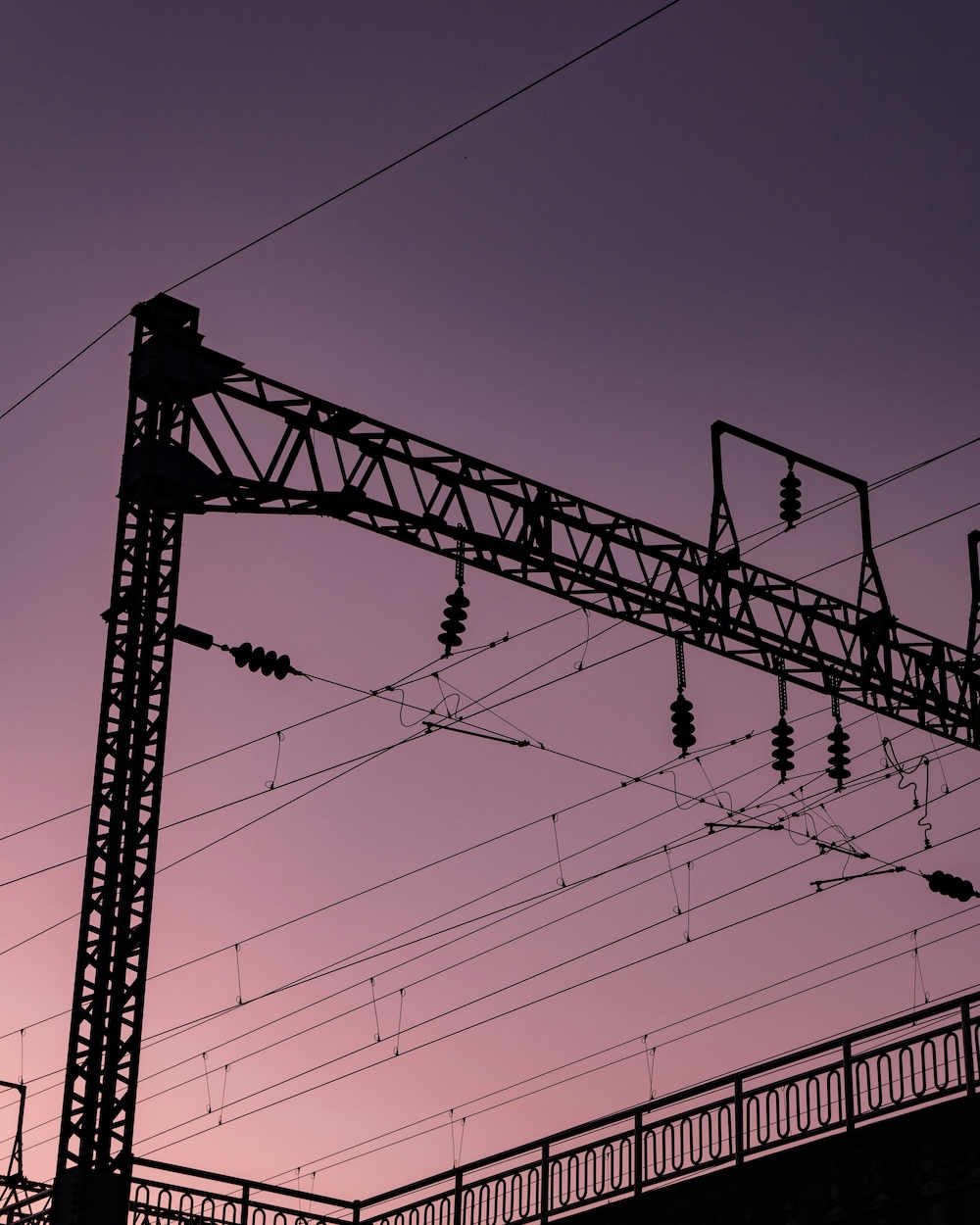
South Korea plans to exempt battery energy storage system (BESS) containers without an internal walkway from a requirement to install CCTV cameras inside, part of an 18-point package to ease regulation of the battery industry.
The prime minister’s office announced the package this week. Twelve measures were confirmed on Oct. 30 by a presidential regulatory committee, and the other six were announced in August.
The government said South Korean battery makers once led the global market but have struggled as Chinese companies came to dominate with low-cost lithium iron phosphate (LFP) batteries. It said rules had not kept pace with fast-changing technology and production processes.
All BESS containers in South Korea must currently have CCTV inside. The government said many containers now have no internal walkway and that battery management systems (BMS) monitor batteries better than cameras. The exemption would apply to such containers if they use BMS or better monitoring technology. A committee will review the change by year-end, with an amendment to the Korea Electrical Equipment Regulations planned for 2027.
The government also plans to relax a rule that requires power conversion systems (PCS) and other electrical equipment to sit in a separate compartment from the batteries. It said integrated products are used overseas, while the Korean rule takes up extra space. The Korea Electrical Safety Research Institute is developing technology to put PCS inside battery containers through 2028, and the government said it would change the rule once safety is proven.
Other measures, listed without details or timelines, include waiving grid usage fees for BESS recognized as a generation source, a system to recover low-value LFP material and steps to keep black mass in the country. The list also includes a domestic production tax credit for the battery industry, which the release calls a “Korean IRA” after the US Inflation Reduction Act.
Battery recyclers would no longer need to notify authorities in advance when wastewater discharge rises by less than 10%, matching the rule for air emissions. The government also plans separate standards for waste recyclers by 2027 to reduce overlap between chemicals and waste laws.
The measures announced in August are already under way. A guideline on whether BESS containers count as buildings was issued in October, and one on setback distances is due in December. The August package also covers BESS leases on public land, lets operators appoint off-site electrical safety managers and allows separate ownership of electric vehicles and their batteries in a regulatory sandbox until 2028.
The committee will next consider rules on the unit capacity of BESS containers.
Park Yong-jin, vice chair of the regulatory committee, said the measures respond to rapid technological change and growing global competition, and support innovation without undermining the purpose of the rules. He said the government would monitor implementation to ensure the changes ease burdens on companies.
The Ministry of Climate, Energy and Environment is responsible for most of the measures, according to the release. It took over most energy policy from the industry ministry in October 2025.
The press release does not mention fire safety. Several of South Korea’s BESS rules date from its response to a series of fires between 2017 and 2019. A government investigation in February 2020 linked the fires to operation at high states of charge combined with battery defects. As a result, new indoor systems were capped at 80% state of charge and outdoor systems at 90%.
Government auctions support South Korea’s domestic storage market. The current central-contract tender, run by the ministry and Korea Power Exchange, offers 1,100 MW/6,600 MWh of six-hour storage on the mainland under 15-year contracts, plus 80 MW/480 MWh on Jeju Island, with bids closing Nov. 11. It follows a 540 MW/3,240 MWh auction whose winners were due in February. In July, the country also launched its first BESS program on the distribution network.
More about
Written by
Comments


Popular Posts