Austrian battery storage demand could rise eightfold to 8.7 GW by 2040


“Photovoltaics without storage is like a Ferrari without wheels – lots of power but the horsepower doesn’t make it to the road,” said Alfred Weinberger, managing director of the Amarenco Group Solar Austria. He has urgently called for the economic hurdles to battery storage expansion to be removed. “If we truly want to expand renewables, we need to change the rules of the game so that storage supports the overall system and becomes economically attractive for investors,” he said.
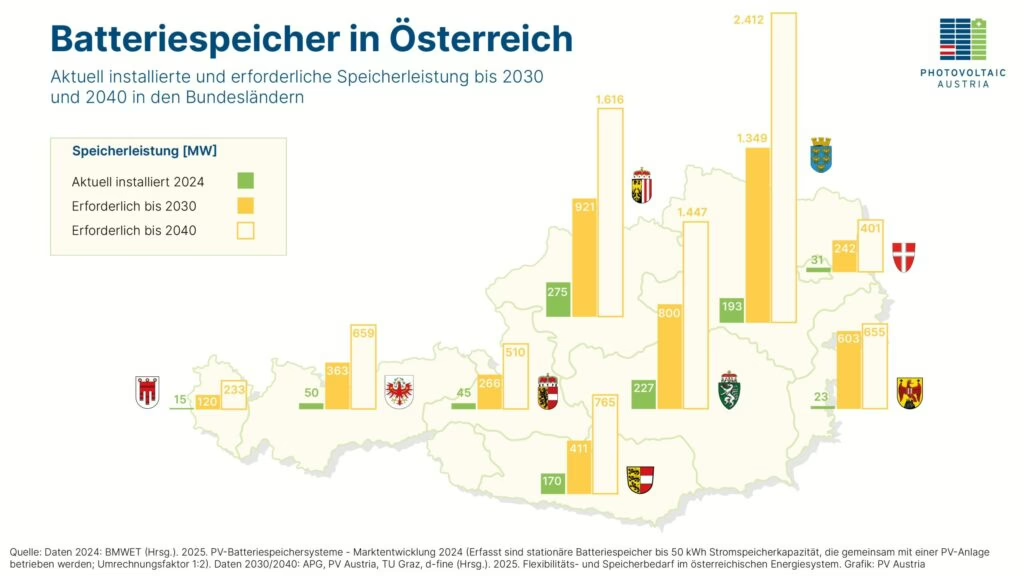
The basis for Weinberger’s demand is a study that, for the first time, identifies the battery storage needs of Austria on the path to 100% renewable electricity by 2030 and climate neutrality by 2040. The study’s authors are the Federal Association of Photovoltaic Austria (PV Austria), transmission system operator Austrian Power Grid (APG), Graz University of Technology, and D-fine. The study provides concrete figures on the demand for battery storage by 2030 and 2040, broken down by federal states, district groups, and application areas.
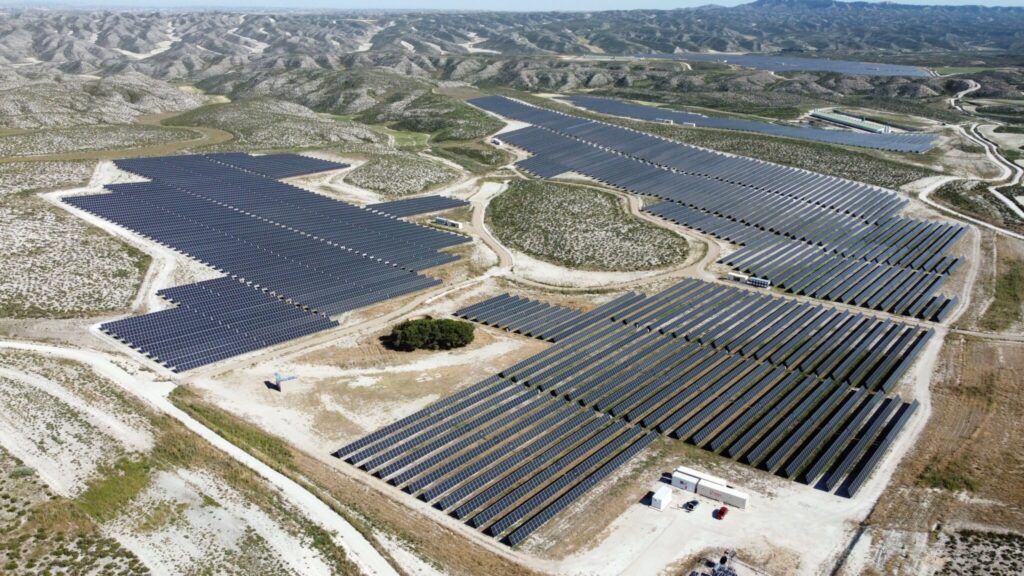
The calculations are based on the photovoltaic expansion targets defined in the integrated Austrian grid infrastructure plan of 21 GW by 2030 and 41 GW by 2040. Currently, approximately 9 GW of photovoltaic capacity are installed in the country. Battery storage systems will then be “the central link between generation and consumption.” They are needed to distribute photovoltaic generation throughout the day, bring flexibility to the energy system, and compensate for grid capacity gaps.
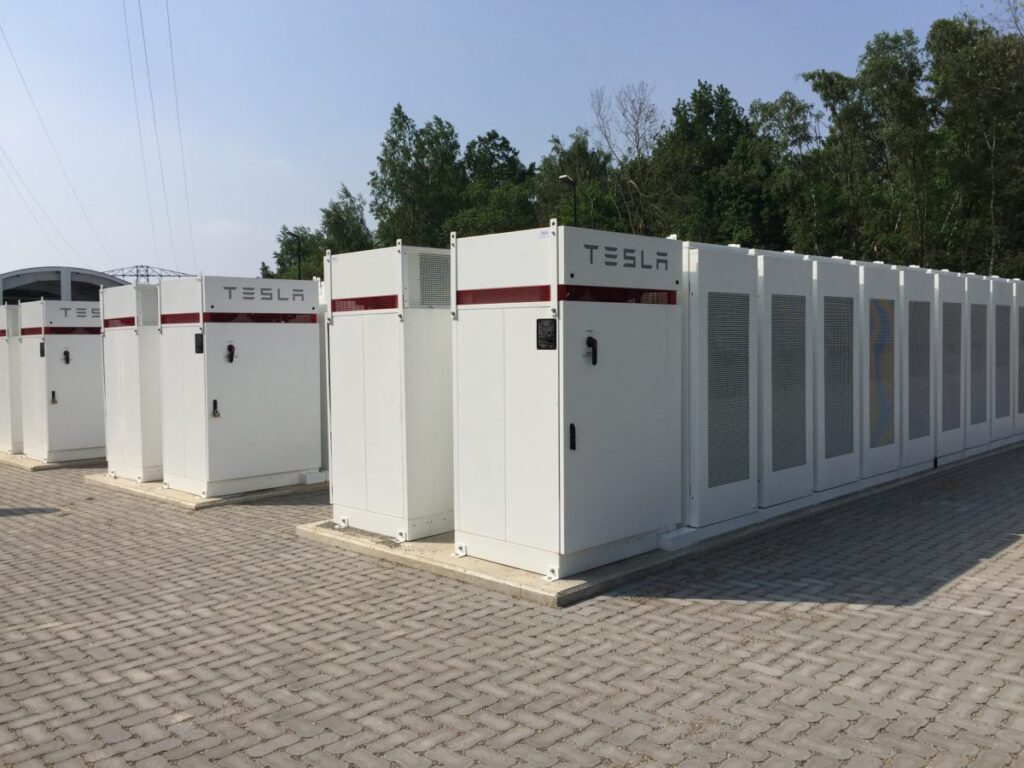
A key finding of the storage study is that electricity demand will double to 125 TWh by 2040. The need for flexibility, i.e. the amount of electricity that must be shifted over time, will increase sixfold, to 41 TWh. That means battery storage demand will have to increase eightfold, to 8.7 GW by 2040. The study also includes the requirements of the interim step of 2030, when demand will be 5.1 GW. That is distributed among 3.7 GW of small-scale storage systems in households and businesses, and 1.4 GW of large-scale battery storage systems. By 2040, capacity should rise to 6 GW for small-scale storage systems and 2.7 GW for large-scale sites. In terms of regional distribution, the greatest demand is in Lower Austria, at 28%; followed by Upper Austria, with 19%; and Styria, at 17%.
It is essential that by 2040, approximately the same amount of battery storage capacity is installed as is already available in the APG control area from traditional storage power plants, i.e., pumped and reservoir storage. “Our study provides a clear roadmap for the necessary storage requirements in each federal state and shows concrete ways to achieve the energy transition in 2030 and 2040,” says Sonja Wogrin, a professor at Graz University of Technology, who led the study. “Now it’s up to the federal government and the federal states to act and set the right course.”
PV Austria also put forward three specific demands for policymakers. Flexible grid tariffs must be implemented quickly and the double charging of electricity storage systems must be eliminated. The latter refers to double charging of grid fees and other charges for electricity storage systems. That regulation must be incorporated into the Electricity Industry Act.
It is also necessary to promote the market and grid-friendly nature of storage systems. That could be achieved, for example, in the form of targeted funding programs for combined photovoltaic and storage power plants, PV Austria said. The association believes the existing Erneuerbaren-Ausbau-Gesetz investment subsidy should serve as the basis for this and should be newly incorporated into the law.
The third demand is for the acceleration of approval procedures. These must be standardized and simplified. “The Renewable Energy Expansion Acceleration Act (EABG) is intended to reduce approval regulations to a tolerable and practical minimum in order to shorten planning and implementation times and avoid unnecessarily delaying investments in a stable, domestic energy system,” said PV Austria.
From pv magazine Deutschland.
Written by