Updated: Germany abruptly U-turns on new battery-planning rules


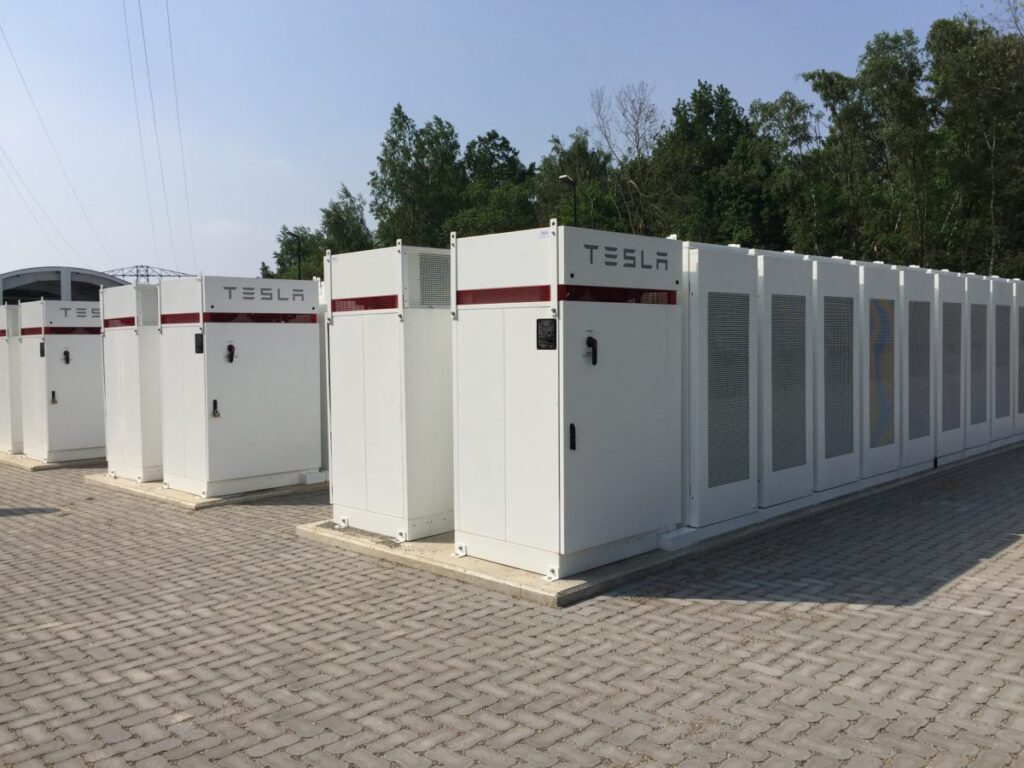
An unexpected positive surprise in Germany for battery energy storage system projects may be unravelling already, as the German government looks set to reverse planning privileges for battery storage that the German parliament approved only weeks ago.
The problem is tied to a new draft of the Geothermal Energy Acceleration Act (Geothermiebeschleunigungsgesetzes, in German) which would limit privileged status to co-located systems functionally linked to a renewable plant, and to stand-alone units of at least 4 MW located within 200 meters of substations or large power stations. Previously, the surprise came in an amendment to the national Building Code that granted rural-area privileges to battery projects of at least 1 MWh.
The state of Bavaria immediately criticized the change, pointing at new land-use conflicts. The economics ministry for the state says the new draft, endorsed by the Bundestag’s Committee on Economic Affairs, would narrow that rule significantly, and noted the shift undermines the effort to create uniform national rules.
Under the latest draft proposal, co-located storage would remain privileged only when directly linked to the associated renewable installation. Stand-alone systems would qualify only if they meet the size threshold and are sited near substations or power plants above 50 MW.
Bavaria’s economics minister Hubert Aiwanger said the rapid pivot shows a lack of policy consistency. He called for planning stability rather than new barriers for storage developers.
The state also fears competition for space between substation expansions and battery projects. It criticises the use of vague terms such as “spatially functional,” which it says provide little practical guidance.
Bavaria backs a separate plan to remove large storage projects above 100 MW from the KraftNAV grid-connection regulation, saying it would end the first-come, first-served approach and reduce grid-connection bottlenecks.
Update: Late Thursday, the German Parliament debated the Geothermal Energy Acceleration Act, and in the final vote, the majority of the governing coalition voted in favor. It is now considered as passed legislation, and restrictions on the construction of battery storage facilities in rural areas will likely come into effect soon.
From pv magazine Germany.
Written by