Policy
Advertisement
Advertisement
Advertisement
Latest News

Advertisement
USA: Western grid enters new era as CAISO launches Extended Day-Ahead Market
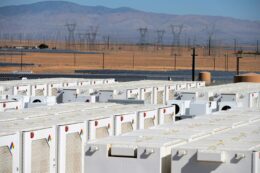
The May 1 go-live of the Extended Day-Ahead Market (EDAM) marks the first time Western utilities can coordinate large-scale solar and storage resources 24 hours in advance, a move projected to significantly slash curtailment and boost regional reliability.

Australia adds 350,000 residential batteries and 4.6 GWh in 10 months under subsidy-scheme
With a 30% credit for the cost of a battery provided to installers, a boom has occured in Australia. Many homes have retrofitted batteries to existing solar, and many have taken up solar for the first time as well.
Irish regulator plans to reduce grid fees for energy storage
If the proposals by the Commission for Regulation of Utilities are implemented, all energy storage units would be charged solely under generator Transmission Use of System (TUoS) tariffs for the 2026/2027 tariff year, which begins on 1 October 2026.
Brazil can reach 7 GW in storage by 2035
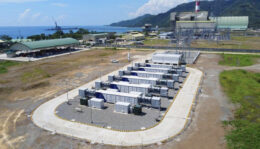
Projections from the Energy Research Company (EPE), shared during the Absolar Storage Leaders event, depend on a stable legal framework and regulatory progress. Authorities and stakeholders in the electricity sector highlight the role of batteries in reducing costs, ensuring energy security, and expanding renewable energy.

Europe: AccelerateEU supports a 200 GW storage target, but omits financing mechanism
The European Commission’s AccelerateEU energy crisis plan endorses a 200 GW battery storage target for 2030 but proposes no dedicated financing mechanism to reach it, according to SolarPower Europe (SPE), which is calling for a separate EU-wide auction funded by emissions trading revenues.
Germany may curtail preferential treatment of large battery storage facilities near substations
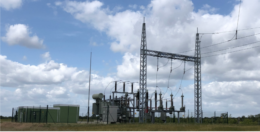
The recently introduced preferential treatment for large battery storage facilities within a 200-meter radius of substations may soon be scaled back under the next amendment to the building code. At a minimum, lawmakers are considering tightening the eligible zone by introducing a minimum setback of 100 meters, effectively limiting the preferential treatment to projects located within a narrower band of 100 to 200 meters around substations.




Advertisement
All Policy news


Solar-plus-storage dominating future U.S. power grid
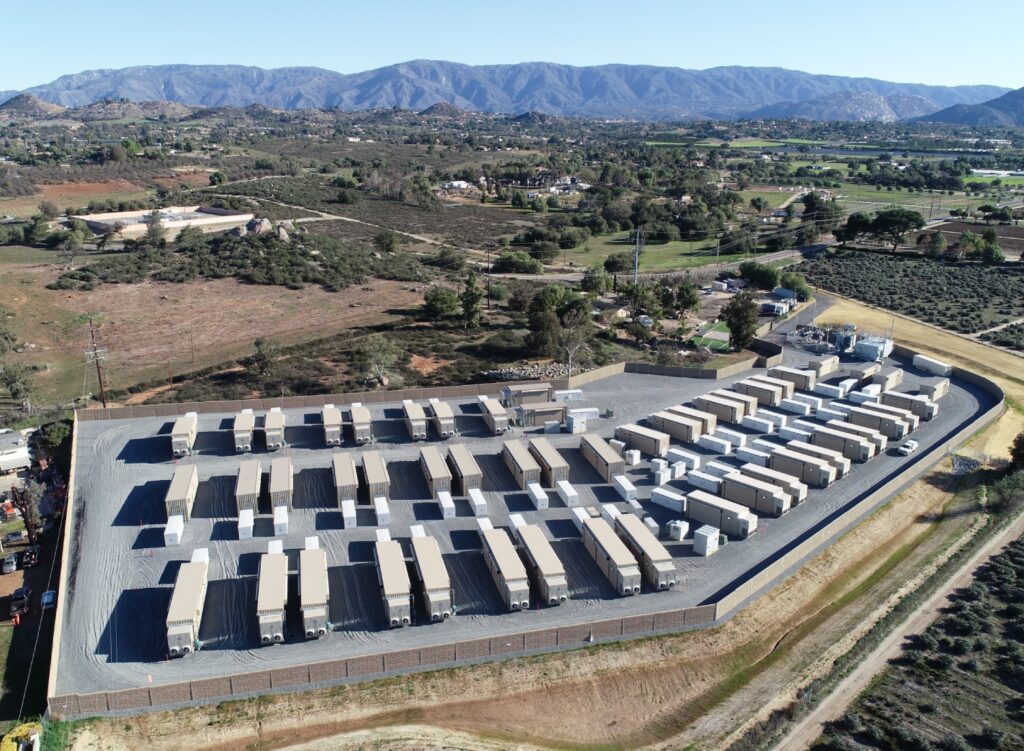
A report from Berkeley Lab reveals a significant expansion of solar-plus-storage facilities in the U.S. power plant market, highlighting an evolution from frequency to arbitrage and curtailment mitigation markets. The best is yet to come, as ongoing price decreases are still being absorbed by the market and are already being used to fill the interconnection queues with terrawatts of capacity.
Advertisement

Banking on batteries in Chile
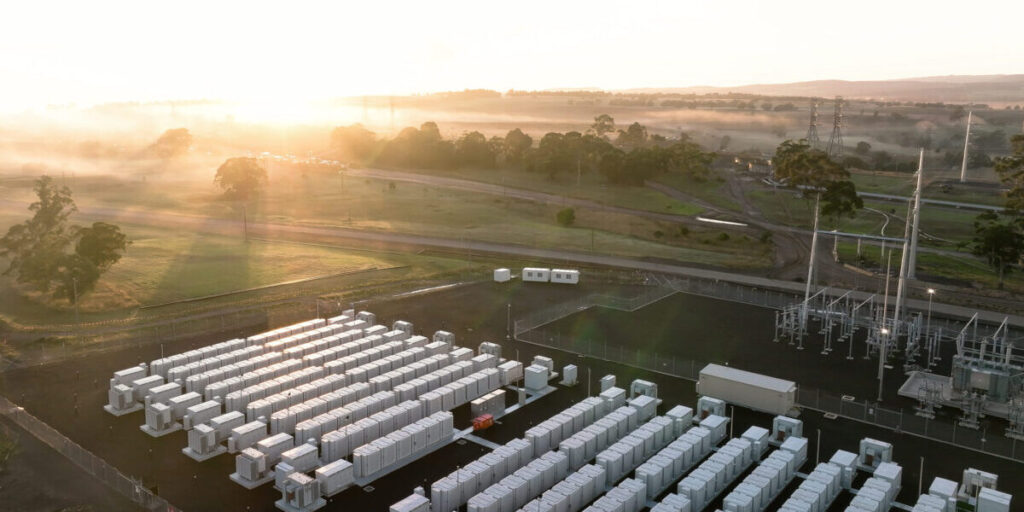
The Chilean solar market is booming but as curtailment grows, a hybrid approach to generation is gaining ground. Storage project announcements are coming thick and fast as co-location with wind turbines offers cost efficiency and a smoother generation profile. Meanwhile, new capacity mechanism rules could take Chile one step closer to runaway battery growth.
Advertisement

India’s energy storage potential
The Renewable Energy Expo India (REI) returns to Greater Noida at the start of October 2024, for its 17th edition. For the second year running, The Battery Show India will run concurrently with REI. <b>pv magazine</b> caught up with <b>Julian Thomas</b>, senior project director at show organizer Informa Markets, to discuss why energy storage and electric vehicles (EVs) are the key to India’s energy transition.

China urges US to reverse new tariffs on batteries, solar, EVs
China’s Ministry of Commerce has described the Office of the US Trade Representative’s decision to raise tariffs on Chinese batteries, solar components, semiconductors, steel, and electric vehicles (EVs) as “typical unilateralism and protectionism.” It added, the tariff increases will harm US companies and consumers.
Advertisement