R&D
Advertisement
Advertisement
Advertisement
Latest News
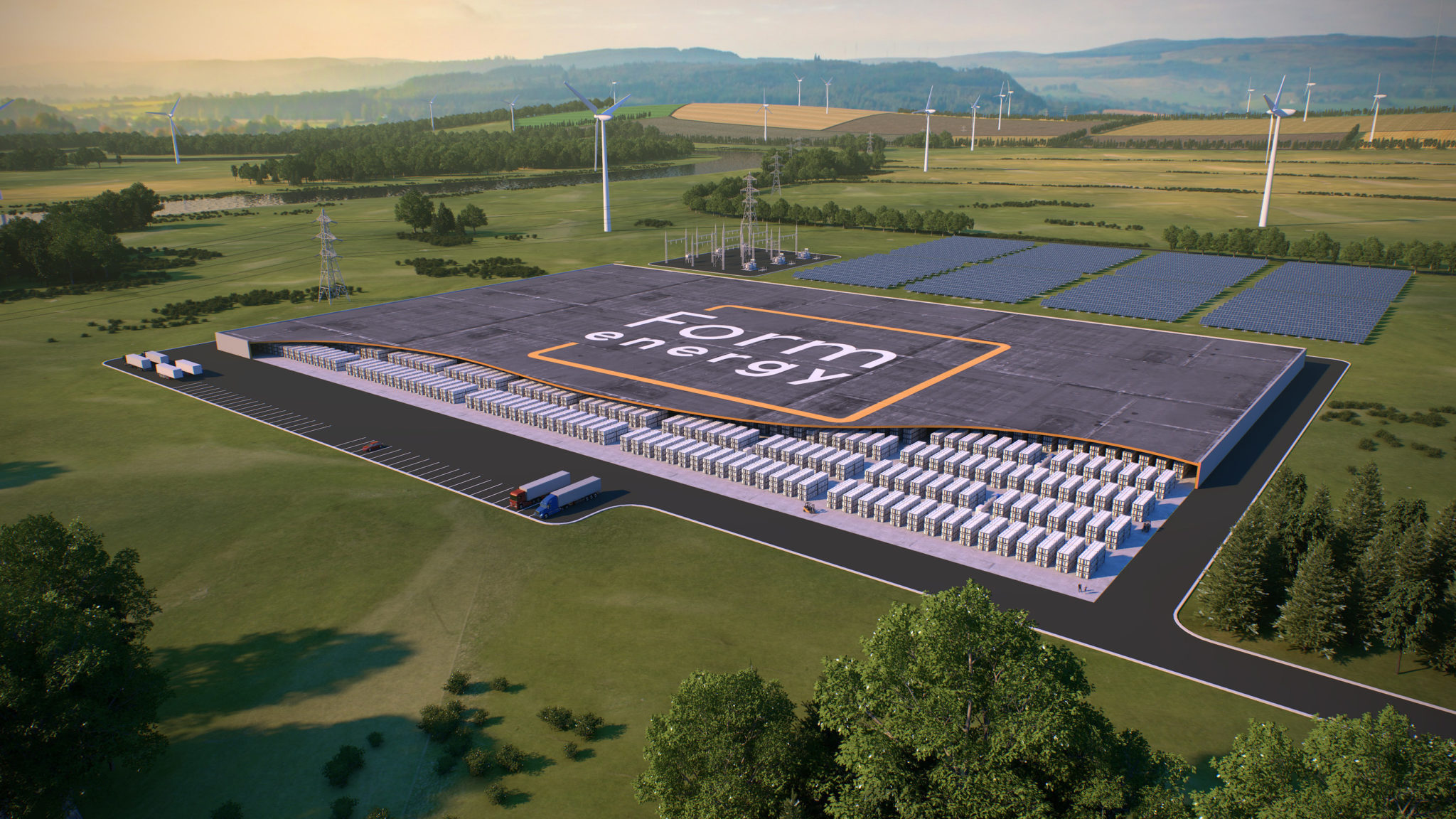
Small 24/7 clean power commitments could cut costs for long-duration storage
TU Berlin researchers say early demand for round-the-clock carbon-free electricity could help bring advanced energy technologies to market faster through technology learning effects. Grant funding for the research was provided by Google, which has since announced plans to build the world’s largest iron-air battery.
Mar 09, 2026
Advertisement
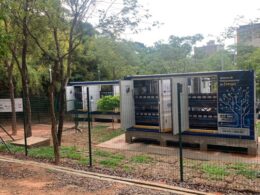
BESS in Brazil: Feasibility of three strategic approaches
Based on real data from the National Interconnected System between 2024 and 2025, the study evaluates the technical, economic, and regulatory performance of batteries operating as autonomous market agents, behind the meter for consumption shifting, or co-located with distributed solar generation.

Comparing safety profiles of lithium-ion, sodium-ion and solid-state batteries
New research finds that battery safety rankings are not universal but highly dependent on application scenarios, and shows that LFP batteries can emit high levels of hydrogen fluoride, challenging their reputation as the “safest” chemistry.



Advertisement
All R&D news
Advertisement

Evaluating the profitability of vanadium flow batteries
Researchers in Italy have estimated the profitability of future vanadium redox flow batteries based on real device and market parameters and found that market evolutions are heading to much more competitive systems, with capital costs down to €260/kWh at a storage duration of 10 hours.


Advertisement
Organic cathode for high-energy, fast-charging lithium-ion batteries
Massachusetts Institute of Technology (MIT) researchers have developed a new organic cathode material with an energy density higher than most cobalt-based cathodes. It can charge–discharge in as little as six minutes. Automaker Lamborghini has licensed the patent for the technology.
New solid state battery charges in minutes, lasts for thousands of cycles
Researchers from the Harvard John A. Paulson School of Engineering and Applied Sciences (SEAS) have developed a new lithium metal battery that can be charged and discharged at least 6,000 times — more than any other pouch battery cell — and can be recharged in a matter of minutes.