NatPower secures UK site for 8 GWh BESS to power ships at berth


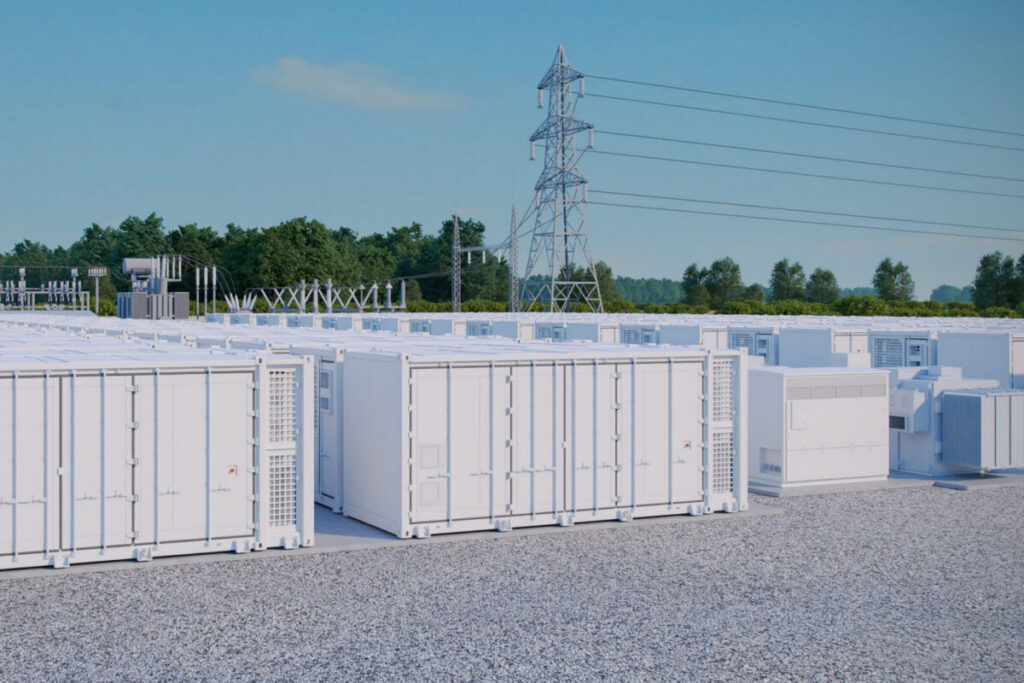
NatPower has secured the land to develop a 1 GW/8 GWh BESS near Middlesbrough, England. The developer has reached an agreement with Sembcorp Utilities to develop a 13-hectare site at its Wilton International property in Redcar.
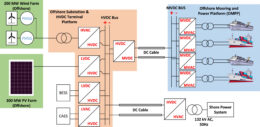
The Teesside GigaPark project will see NatPower combine grid-scale battery storage with maritime electrification infrastructure. The selected site near the northeast coast of England is being developed from the outset to power ships at berth, according to NatPower, with potential to recharge electric propulsion systems for vessels in the future.
The project will be fully privately financed, representing a GBP 1 billion ($1.35 billion) investment, according to the developer. NatPower added that Teeside GigaPark will be developed in stages, operating as a four-hour (4 GWh) storage site initially with potential to double to 8 GWh.
A 1 GW connection agreement has already been secured with the National Energy System Operator (NESO) for a 400 kV connection to a nearby substation. NatPower said it will build and operate the site and aims to connect to the grid by 2028.
In a press release, NatPower UK CEO Stefano D.M. Sommadossi, said the Teesside GigaPark project will serve as a blueprint for how the developer combines high-capacity renewable energy storage with the electrification of ports and industry.
“Within five years, we can transform one of the UK’s most important industrial hubs into a net-zero economic powerhouse and then replicate this model in ports across the globe.”
Next steps for the development will include securing planning permission, which the developer hopes to achieve by July 2026 according to the project’s website.
Written by




Popular Posts